Math · Unit 3 · Weeks 13–18
Unit 3 test: Count to 120; tens and ones; compare
20–30 min
For the grown-up
Give this test on Week 18 Day 5, after the Unit 3 Bingo game. Read every item aloud. Reading is not what this test checks, except item 3, where your child reads a number. There is no clock. Your child may use 9 straw bundles of 10 and 15 loose straws (or base-ten blocks; item 13 needs 12 loose ones) in Parts 2 and 3, but not the hundred chart for the counting items in Part 1; put the chart away before you start. Split it into two sittings of about 12 minutes: Part 1 and Part 2 first, then Part 3 later today or tomorrow. Do not help with the math. If your child is stuck, say only: "Which tool do you want to use?" For items 1 and 2, listen and make a small mark for each number said right. Score with the answers and scoring notes, add the points and find the level. Level E, or Level P with 18 or 19 points (at least 4 of every 5 right, about 80 percent: the pass mark in the test-day lesson): start Unit 4 in Week 19. Level P with 16 or 17 points, or Level A: start Week 19 and use the Week 19 warm-ups to redo the part with the most misses (Week 13 for counting and writing, Week 14 for tens and ones, Week 17 for comparing). Level D: spend 2 or 3 days on the Guided Practice from Week 13 Day 3, Week 14 Day 4 and Week 17 Day 3 before Week 19.
Standards: 1.NBT.A.1, 1.NBT.B.2, 1.NBT.B.2.a, 1.NBT.B.2.b, 1.NBT.B.2.c, 1.NBT.B.3
Part 1: Count, Read and Write to 120
Count out loud, read the number or write it on the line. No hundred chart for this part.
- 1.Your grown-up makes a mark for each number said right.
- 2.
- 3.
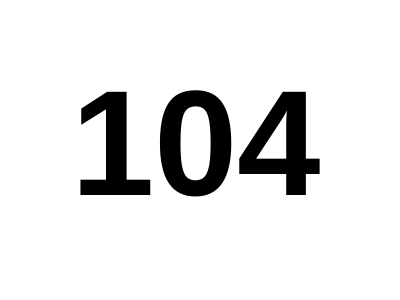
- 4.
- 5.
- 6.
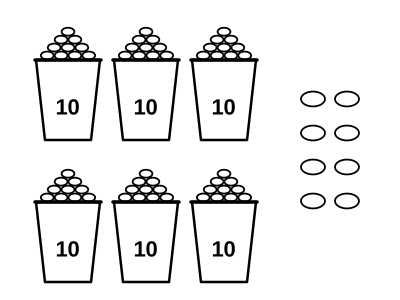 How many beans are there? Write the number.
Part 2: Tens and Ones
Use the bundles if you like. Write the tens and ones, or write the number.
- 7.Build 27 with bundles and loose straws. How many tens? How many ones?
- 8.Build 13. How many tens? How many ones?
- 9.How many tens are in 80? How many ones?
- 10.What number is 6 tens and 5 ones?
- 11.What does the 9 in 94 mean?
- 12.
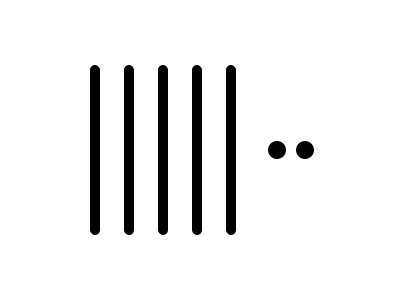 What number does this quick picture show?
- 13.Is 3 tens and 12 ones the same as 42? Show or tell how you know.
Part 3: Compare Numbers
Write >, < or = between the numbers. Look at the tens first.
- 14.71 ___ 17
- 15.45 ___ 48
- 16.60 ___ 60
- 17.89 ___ 90
- 18.Which is greater, 64 or 46? Tell how you know.
Score and next steps
Total: 22 points.
- Exceeding: 20–22 points
- Proficient: 16–19 points
- Approaching: 11–15 points
- Developing: 0–10 points
Write the score in the Assessment & Records pages. The directions above say when to move on and when to reteach first.