Social Studies · Unit 4 · Weeks 19–24
Unit 4 test: Then and now: families and communities over time
20–25 min (fine to split into two sittings)
For the grown-up
This test checks what your child learned in Weeks 19–24 about timelines, life long ago and today, sources, and why things change. Read every question, every choice and every picture note aloud; this test checks social studies thinking, not reading. Your child answers by circling, pointing, drawing or telling, and you write their words exactly. Nothing is timed. If your child tires, give Sections 1 and 2 on one day and Sections 3 and 4 the next day. Speak about Native nations in the present tense, as the lessons did. Have a pencil and crayons ready. Items that say "Answers vary" can have more than one good answer; use the "Look for" notes. If your child is stuck, read the item again once, or offer to let them point or draw instead of telling. Do not teach or hint during the test. Add the points and find the level at the end. If your child earns less than half of the points in a section, use that section's reteach note in Week 25.
Standards: D2.His.1.K-2, D2.His.2.K-2, D2.His.4.K-2, D2.Geo.6.K-2, D2.His.3.K-2, D2.His.9.K-2, D2.His.10.K-2, D2.His.11.K-2, D2.His.6.K-2, D2.His.14.K-2, D2.His.16.K-2, D2.Civ.14.K-2
Section 1: Timelines
Read each question aloud. Your child numbers, circles or tells.
- 1.Write 1, 2, 3 and 4 to put these pictures in order on a timeline, from first to last. ___
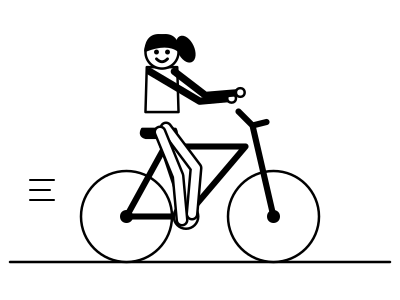 ___
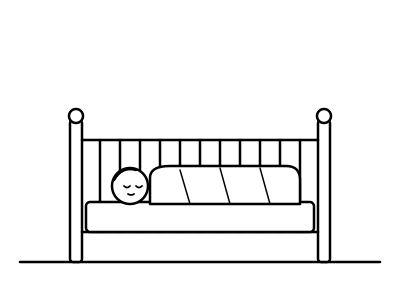 ___
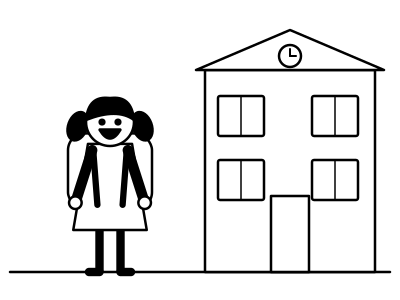 ___
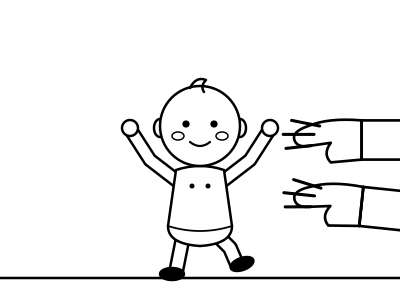
- 2.Past, present or future? "Yesterday I lost a tooth." "Next summer we will visit Grandpa."
Section 2: Long Ago and Today
Read each question aloud. Your child circles, sorts or tells.
- 3.Is each thing from long ago or from today? Write T for then (long ago) and N for now.
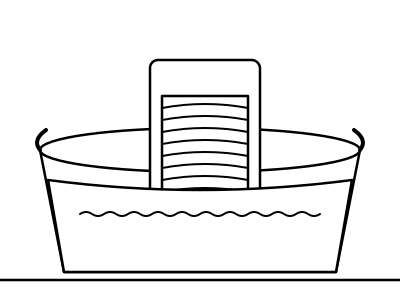
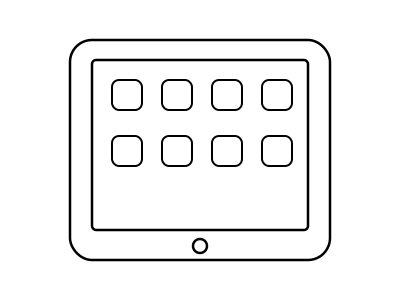
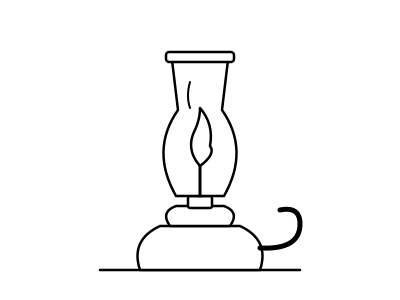
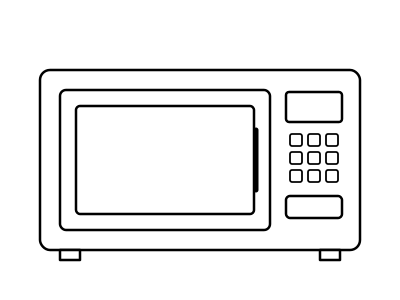
- 4.Long ago, many families kept food cold in an icebox with a big block of ice inside. Today, many families use a refrigerator. Tell one thing that changed and one thing that stayed the same.
- 5.Grandpa says the best present when he was six was a new ball. You might say something different. Why might you and Grandpa think differently?
- 6.Tell one thing about the Wampanoag people today.
- 7.Ruby Bridges was the first Black student at her school in New Orleans in 1960. Ask one question you would like to ask her about that first day.
Section 3: Sources
Read each question and each source aloud. Your child circles or tells.
- 8.What kind of source is each one: a picture, writing or an object?
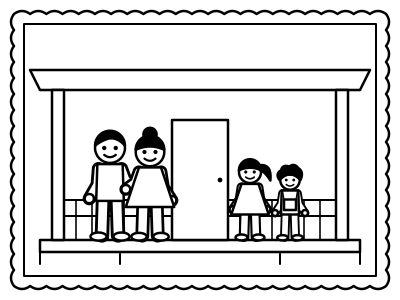
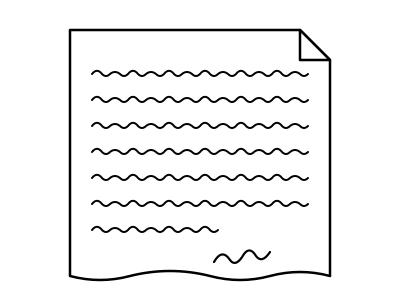
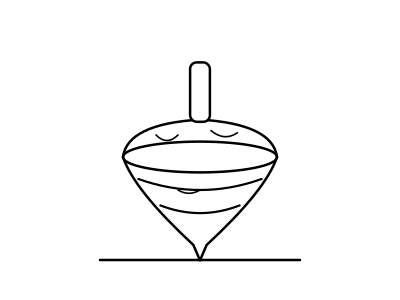
- 9.
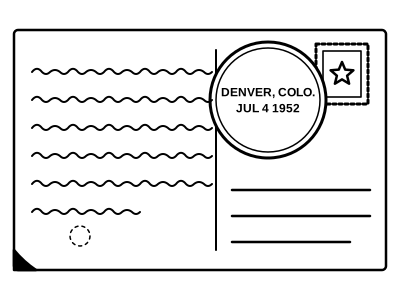 Where was this postcard mailed? When was it mailed?
- 10.Grandma has an old cookbook that her mother used. What could it teach us about life long ago?
- 11.Two people tell about the same snow day. Dad: "The snow was so deep that we made a big snowman." Aunt Kim: "The snow was deep, and the power went out, so we read by flashlight." Tell one thing both stories say. Tell one thing only one story says.
Section 4: Why Things Change
Read each question aloud. Your child tells, and you write the words.
- 12.Long ago, people wrote letters to talk to family far away. Now many people send texts or make video calls. Give a reason this changed. Then tell why you think your reason is the most likely one.
- 13.A town builds a sidewalk next to a busy road. How does this make the community better? Who does it help?
Score and next steps
Total: 22 points.
- Exceeding: 20–22 points
- Proficient: 16–19 points
- Approaching: 11–15 points
- Developing: 0–10 points
Write the score in the Assessment & Records pages. The directions above say when to move on and when to reteach first.