Social Studies · Unit 6 · Weeks 31–36
Unit 6 test: Good citizens: symbols, holidays and helping our community
20–25 min (fine to split into two sittings)
For the grown-up
This test checks what your child learned in Weeks 31–36 about American symbols, governments, holidays, our community project, voting and being a good citizen. Read every question, every choice and every picture note aloud; this test checks social studies thinking, not reading. Your child answers by circling, pointing, drawing or telling, and you write their words exactly. Nothing is timed. If your child tires, stop after Section 2 and do Sections 3 and 4 later. Holidays are taught as civic and cultural traditions. Some items ask about your own family project, so the answers will match what your family did. Items that say "Answers vary" can have more than one good answer; use the "Look for" notes. If your child is stuck, read the item again once, or offer to let them point or draw instead of telling. Do not teach or hint during the test. Add the points and find the level at the end. If your child earns less than half of the points in a section, use that section's reteach note over the summer.
Standards: D2.Civ.5.K-2, D2.Civ.8.K-2, D2.Civ.1.K-2, D2.His.3.K-2, D2.Civ.14.K-2, D2.Civ.10.K-2, D2.Geo.6.K-2, D4.6.K-2, D4.7.K-2, D4.8.K-2, D2.Civ.11.K-2, D1.5.K-2, D3.1.K-2, D2.Civ.7.K-2
Section 1: Symbols and Governments
Read each question, each picture note and each meaning aloud. Your child draws lines, circles or tells.
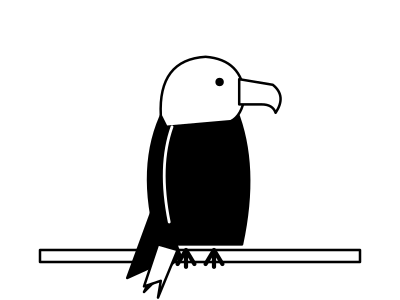
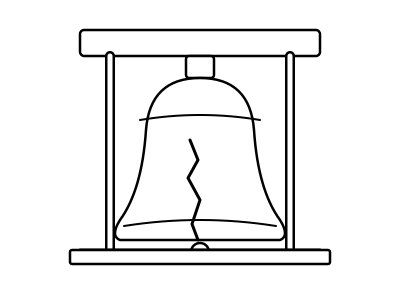
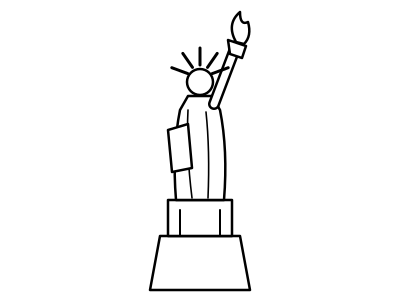
- 1.Draw a line from each symbol to what it means.
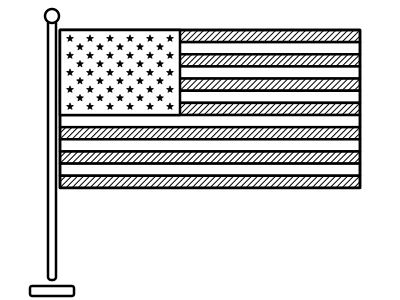 • • our national bird; it is on the Great Seal
 • • a gift of friendship from the people of France
 • • our 50 states and our country
 • • liberty for all people; people working to end slavery used it
- 2.Why is the United States flag flown on government buildings, like a post office?
- 3.Your street needs a new stop sign. Which government would most likely put it up?
- the town government
- the government of the whole country
- 4.A tribal council is part of a Native nation's government, like the Navajo Nation Council. What is its job?
Section 2: Holidays and Celebrations
Read each question aloud. Your child tells, and you write the words.
- 5.On the third Monday in January, we remember a leader who worked peacefully so all people would be treated fairly. Who is he?
- 6.Why do people celebrate Independence Day on July 4?
- 7.Memorial Day is the last Monday in May. Who does it remember?
- 8.Your friend's family lights small lamps for Diwali. Your family celebrates a different day. Tell one way the two celebrations might be alike.
- 9.Dr. King believed people could change unfair laws without fighting. Ask one question you would like to ask about his work.
Section 3: Our Community Project
Read each question aloud. Your child points, circles or tells.
- 10.
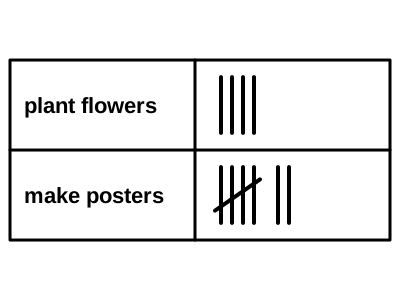 Which idea won? Is that more than half of all the votes? Tell how you know.
- 11.Tell how our family chose our plan for the project.
- 12.Name one problem in a community. Tell one way people could help fix it.
- 13.You want to know which day the recycling truck comes to your street. Which source is best?
- the town's website
- a comic book
- a toy catalog
- 14.Think back to the day we took action in our project. Tell what was different afterward, and name one person or group it helped.
Section 4: Being a Good Citizen
Read each question aloud. Your child circles or tells.
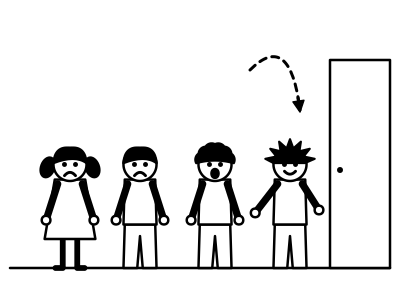
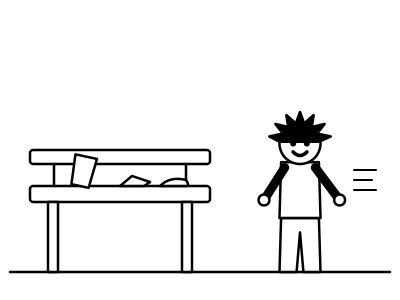
- 15.Circle the child who is being a good citizen.
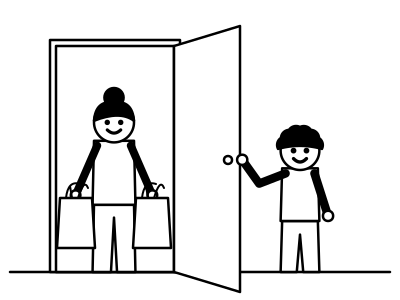
- 16.Your neighbor is carrying heavy grocery bags up the steps. What could a good citizen do? How does it help?
Score and next steps
Total: 24 points.
- Exceeding: 22–24 points
- Proficient: 17–21 points
- Approaching: 12–16 points
- Developing: 0–11 points
Write the score in the Assessment & Records pages. The directions above say when to move on and when to reteach first.