Science · Unit 1 · Weeks 1–6
Unit 1 test: Sound: vibrations you can hear and feel
15–20 min
For the grown-up
Give this test on Week 6 Day 4, after the Sound Scientist Says game. Read every part aloud, as many times as your child likes; this test checks science thinking, not reading. Your child answers by talking, pointing, showing, circling or drawing, and you write their words exactly. It is untimed. Do not explain science words or hint at answers. Have ready the rubber band box, the dancing rice bowl (bowl with plastic wrap stretched tight and about 20 grains of rice on top) and the pot and wooden spoon. Do not show the test page ahead of time. Parts 1 and 2 are hands-on: your child uses the real materials and tells the evidence. Part 3 is a picture page your child marks. Split it into two sittings of about 10 minutes: Parts 1 and 2 first, then Part 3 later today or tomorrow. If your child is stuck, say only: "What did you see happen? What did you hear?" Keep faces back from the rubber bands while plucking. Rice is a small part: keep it away from children under 3. Score with the answers and scoring notes, add the points and find the level. Note any idea to revisit in the Week 7 warm-ups (see Reteach).
Standards: 1-PS4-1
Part 1: Show That Shaking Makes Sound
Use the rubber band box. Show it, then tell your evidence. Your grown-up writes your words.
- 1.Use the rubber band box to show that shaking makes sound. Then tell your evidence: what did you see, and what did you hear?
- 2.Pluck a band again. Now make the sound stop. Tell why it stopped.
- 3.Which band will make the lowest sound? Point to it, then pluck it to check.
Part 2: Show That Sound Makes Things Shake
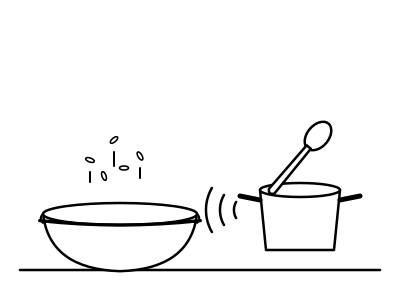
Use the rice bowl and the pot. Do not touch the bowl or the table. Your grown-up writes your words.
- 4.Use the pot and the rice bowl to show that sound can make things shake. Then tell your evidence.
- 5.Bang the pot close to the bowl, then from across the room. When did the rice jump more?
- 6.You want to find out if a big pot or a small pot makes the rice jump higher. What one thing will you change? Name one thing you will keep the same.
Part 3: Picture Page
Listen to each question. Circle a picture, or tell your answer while your grown-up writes it.
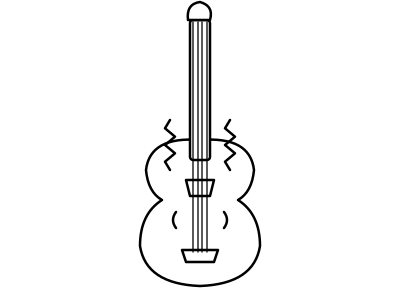
- 7.
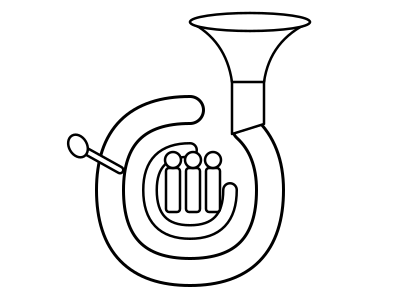
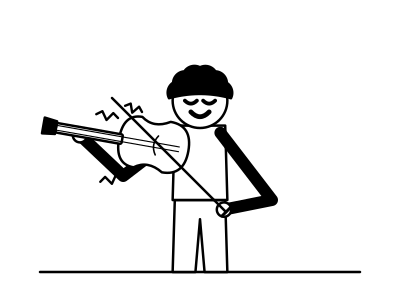 Which part is shaking to make the music? Circle it.
- 8.
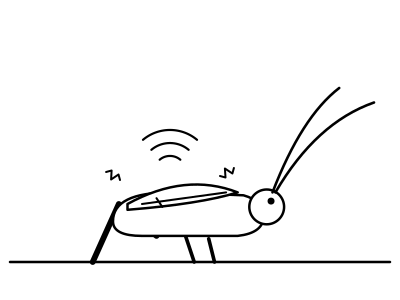 A cricket rubs its wings together to chirp. Which way does it work? Circle one.
- 9.
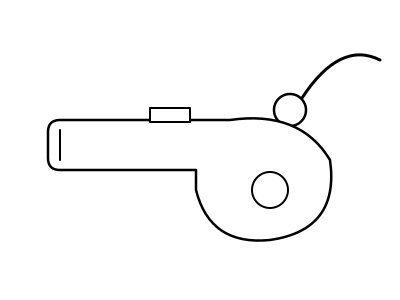
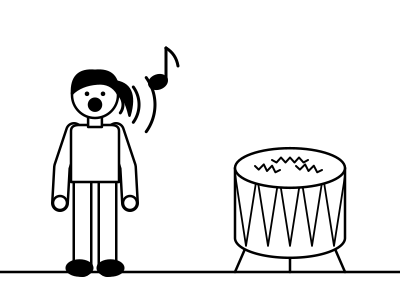 Which way does it work? Circle one.
- 10.Which one makes a high, squeaky sound? Circle it.
- 11.
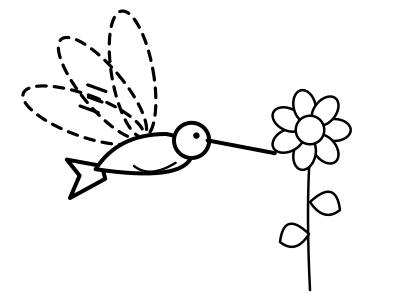 A hummingbird's wings make a humming sound. What are the wings doing?
- 12.Finish and tell. Your grown-up writes it: "Sound is made when ___. I know because ___."
Score and next steps
Total: 17 points.
- Exceeding: 16–17 points
- Proficient: 12–15 points
- Approaching: 9–11 points
- Developing: 0–8 points
Write the score in the Assessment & Records pages. The directions above say when to move on and when to reteach first.