Science · Unit 2 · Weeks 7–12
Unit 2 test: Light: seeing, shadows and sending signals
20–25 min
For the grown-up
Give this test on Week 12 Day 4, after the Light Scientist Says game. Read every part aloud, as many times as your child likes; this test checks science thinking, not reading. Your child answers by talking, pointing, showing, circling or drawing, and you write their words exactly. It is untimed. Do not explain science words or hint at answers. Have ready the flashlight, the dark box from Week 7 with the toy inside (edges taped, flap closed), a white wall or paper screen in a dim room, the 3 new materials (a clear zip-top plastic bag, one single-layer paper napkin and a metal pie pan; do not use them in the review game), your child's message device (cup phone, or flashlight with the code card) and crayons. Do not show the test page ahead of time. Parts 1 to 3 are hands-on; Part 4 is a picture page. Split it into two sittings of about 10 to 12 minutes: Parts 1 and 2 first, then Parts 3 and 4 later today or tomorrow. If your child is stuck, say only: "What did we need last time?" Safety: never shine the flashlight, or light bounced off anything shiny, into anyone's eyes. Keep the cup phone string away from necks. Score with the answers and scoring notes, add the points and find the level. Note any idea to revisit in the Week 13 warm-ups (see Reteach).
Standards: 1-PS4-2, 1-PS4-3, 1-PS4-4
Part 1: Seeing Needs Light
Use the dark box. Look, then tell. Your grown-up writes your words.
- 1.Look through the peephole of the closed dark box. Can you see the toy? Tell why or why not.
- 2.Make the toy easy to see without taking off the lid. Show it, then tell what you did.
Part 2: Light Test With New Materials
Before each test, say your prediction: lets light through, lets some through, or blocks it. Your grown-up writes it. Then hold the thing in the flashlight beam and look at the wall.
- 3.A clear zip-top plastic bag. Predict, then test. What did the light do?
- 4.One paper napkin, a single layer. Predict, then test. What did the light do?
- 5.A metal pie pan. Predict, then test. What did the light do?
- 6.Which of the 3 made the darkest shadow? Tell why.
Part 3: Send a Message
Use your message device. Show it, then tell. Your grown-up writes your words.
- 7.Use your cup phone or your flashlight code to send your grown-up a message from across the room. Your grown-up writes the message they got.
- 8.Does your device send the message with sound or with light? Tell how the message gets from you to your grown-up.
Part 4: Picture Page
Listen to each question. Circle a picture, or tell your answer while your grown-up writes it.
- 9.
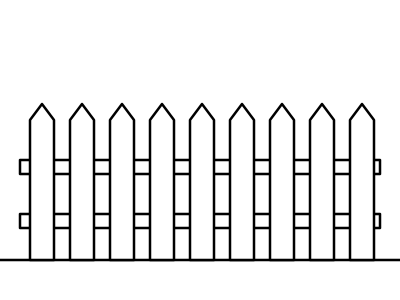
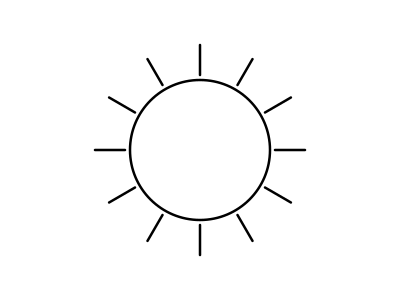
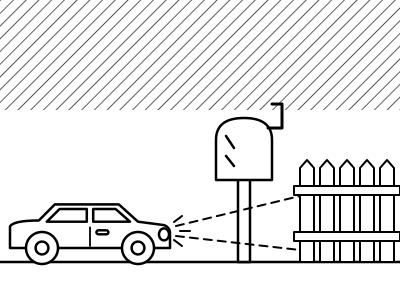 Circle the light source on this street.
- 10.
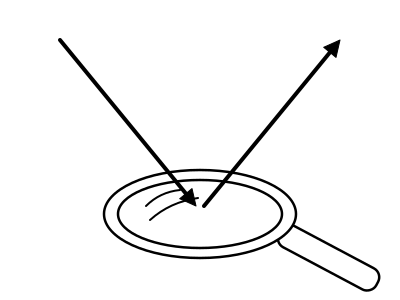
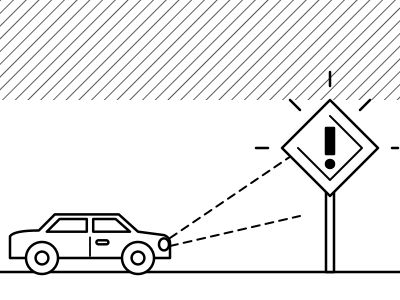 Is the shining sign a light source or a bouncer? Circle one.
- 11.
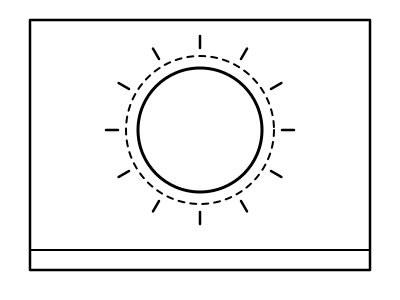
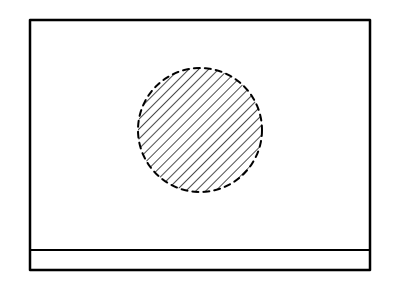
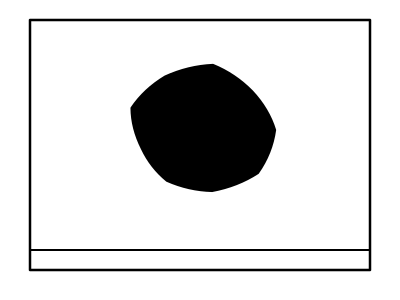
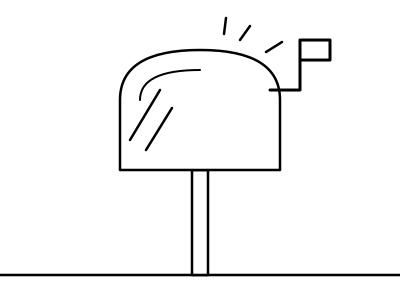
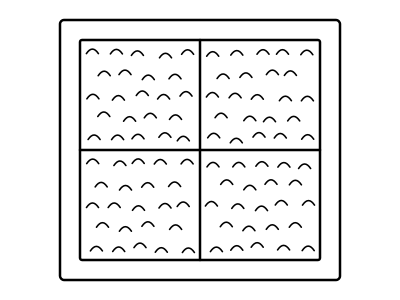 A flashlight shines on this window. Circle what the wall behind it looks like.
- 12.
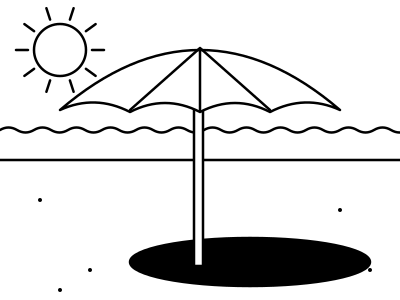 Why is there a shadow under the umbrella?
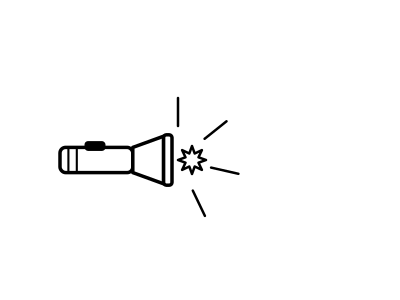
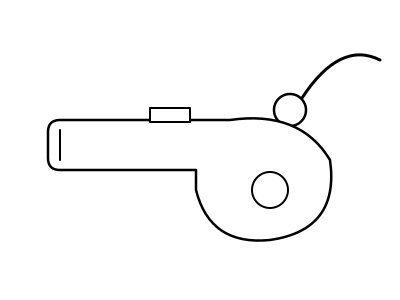
- 13.You are in a quiet library. You need to tell a friend across the room "come here" without making noise. Circle the signal to use.
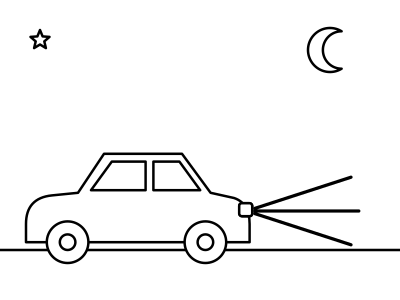
Score and next steps
Total: 18 points.
- Exceeding: 17–18 points
- Proficient: 13–16 points
- Approaching: 9–12 points
- Developing: 0–8 points
Write the score in the Assessment & Records pages. The directions above say when to move on and when to reteach first.