Science · Unit 3 · Weeks 13–18
Unit 3 test: Plant and animal parts at work
15–20 min
For the grown-up
Give this test on Week 18 Day 4, after the Part Charades game. Read every part aloud, as many times as your child likes; this test checks science thinking, not reading. Your child answers by talking, pointing, showing, circling or drawing, and you write their words exactly. It is untimed. Do not explain science words or hint at answers. Have ready the test page, your child's prototype from Week 17, the sketch with changes from Week 16 and crayons. Do not show the test page ahead of time. Parts 1 and 2 are a picture page about parts and their jobs. Part 3 shows an invention your child has not seen before, and Part 4 is your child's own prototype. Split it into two sittings of about 8 to 10 minutes: Parts 1 and 2 first, then Parts 3 and 4 later today or tomorrow. If your child is stuck, say only: "How does that part help it stay alive?" or, for the prototype, "What does this part do?" Score with the answers and scoring notes, add the points and find the level. Note any idea to revisit in the Week 19 warm-ups (see Reteach).
Standards: 1-LS1-1, K-2-ETS1-2
Part 1: Animal Parts at Work
Listen to each question. Circle the picture, or tell your answer while your grown-up writes it.
- 1.
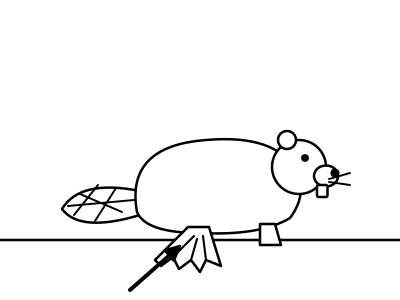
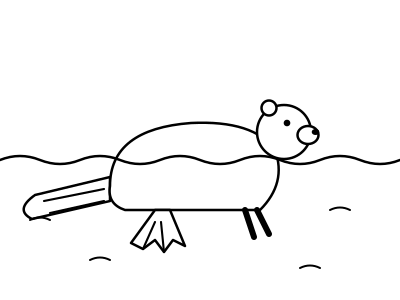 Circle the part that helps the beaver paddle through the water.
- 2.
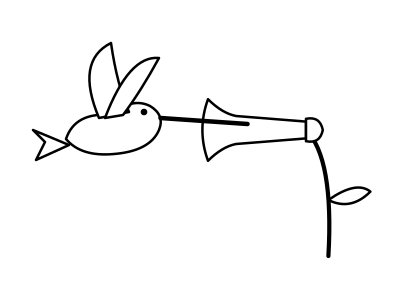
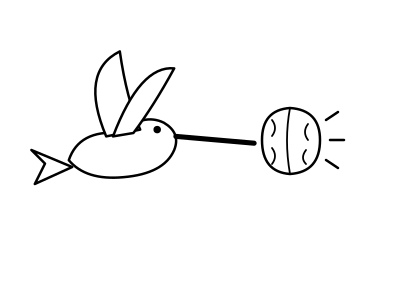
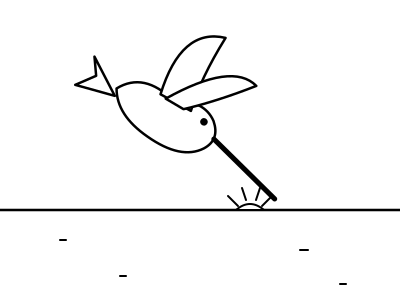
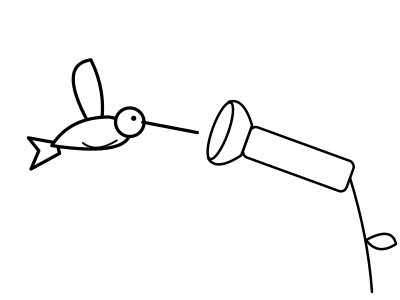 Circle the job the long, thin beak helps with.
- 3.
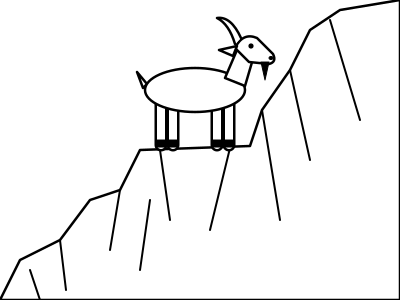 A mountain goat's hooves have soft, rubbery pads with a hard edge. How do they help the goat?
- 4.
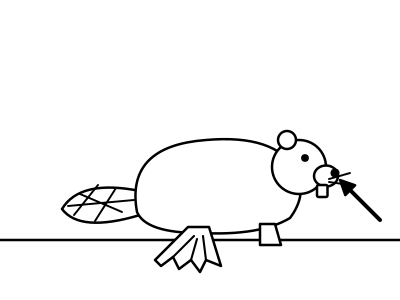
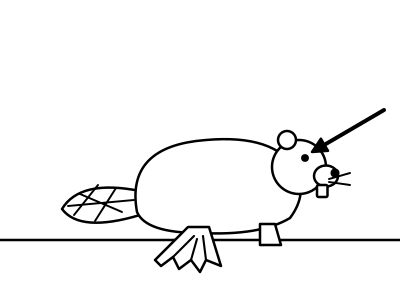
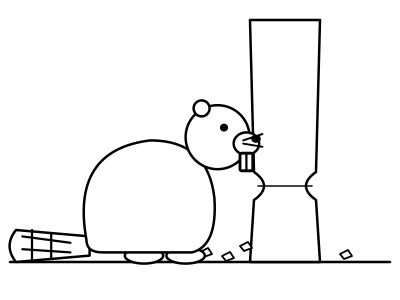 A beaver has long, sharp front teeth. Tell how they help the beaver.
Part 2: Plant Parts at Work
Listen to each question. Circle the picture, or tell your answer while your grown-up writes it.
- 5.
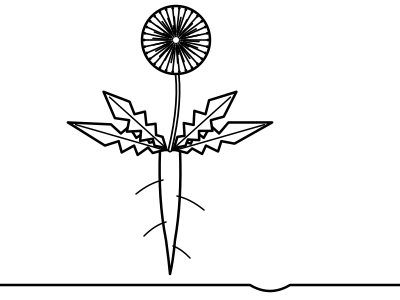 Circle the part that takes in water from the soil.
- 6.
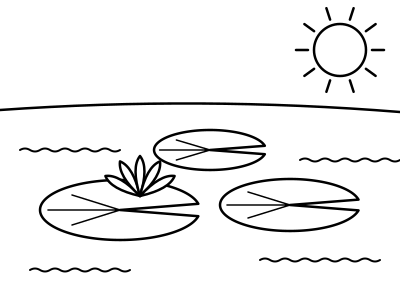 How could floating flat on the water help the water lily's leaves?
- 7.
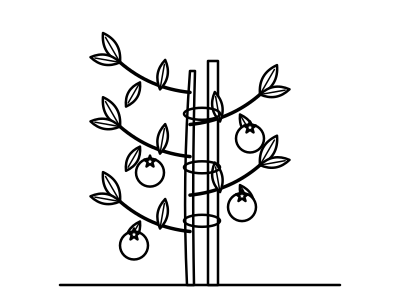 Tell two jobs that a plant's stem does.
Part 3: An Invention That Works Like Nature
Your grown-up reads this and shows the pictures. Then listen to each question and tell your answer.
Snowshoes and a Snowshoe Hare
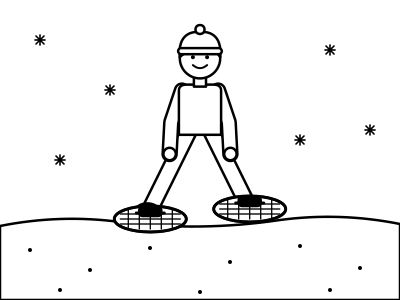
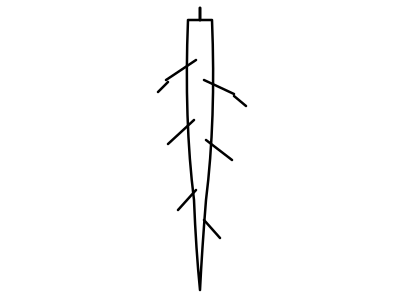
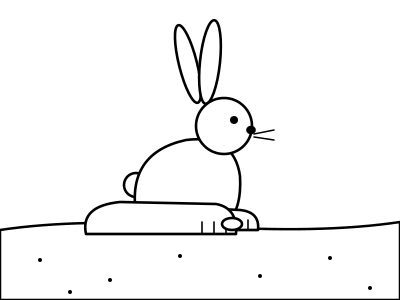 These are snowshoes. People strap them under their boots to walk on deep snow. This is a snowshoe hare. It has very big back feet.
- 8.How do the snowshoes work like the snowshoe hare's feet?
- 9.A person walks into deep snow in regular boots, with no snowshoes. What will happen to their feet?
- 10.Point to the shape on the snowshoe that helps it work. Tell the shape word and how it helps.
Part 4: My Prototype
Show your prototype from Week 17 and your sketch. Tell your answers. Your grown-up writes your words.
- 11.Show your prototype. Tell which plant or animal part it works like.
- 12.Point to one shape on your prototype. Tell how that shape helps it do its job.
Score and next steps
Total: 15 points.
- Exceeding: 14–15 points
- Proficient: 11–13 points
- Approaching: 8–10 points
- Developing: 0–7 points
Write the score in the Assessment & Records pages. The directions above say when to move on and when to reteach first.