1First Grade

    Review: tens and ones

    Compare two fables

    Practice pages

    0 of 180 days complete · Saved on this device

    View all 180 days

    Math

    Review: tens and ones

    I can explain the tens and ones in any two-digit number.

    Standards: 1.NBT.B.2, 1.NBT.B.2.a, 1.NBT.B.2.b, 1.NBT.B.2.c

    Number practice (no timer)
    Mixed facts within 20, any strategy
    Builds on
    Weeks 14 to 16: tens and ones, teen numbers and decade numbers. One-minute check: "What does the 1 in 15 mean?" (1 ten)

    New words

    • teen number: a number from 11 to 19; 1 ten and some ones
    • decade number: 10, 20, 30 ... 90; tens and 0 ones

    You need

    • 9 straw bundles of 10 and 10 loose straws (or base-ten blocks)
    • 3 Number of the Day pages (6 boxes each)
    • Notebook and pencil
    1. Warm-Up · 5 min

      Fluency: mixed facts within 20, any strategy. "9 + 5?" (14) "15 - 6?" (9) "6 + 7?" (13) Spaced review from Week 11: "Is 6 + 5 = 5 + 6 true or false?" (True)

    2. Mini-Lesson · 10 min

      Say: "Today we review tens and ones with three kinds of numbers: a teen number, a decade number and a number with both." Build 15, 60 and 47 side by side. Ask for each: "How many tens? How many ones?" (15: 1 ten and 5 ones. 60: 6 tens and 0 ones. 47: 4 tens and 7 ones.) Ask: "Which one is ten ones bundled into one ten plus 5 more?" (15) "Which one has no loose ones?" (60)

    3. Guided Practice · 10 min

      Your child makes a Number of the Day page for each of 15, 60 and 47 (skip the number line box). 15: 1 bundle and 5 loose; 1 stick and 5 dots; 1 ten and 5 ones; 10 + 5. 60: 6 bundles; 6 sticks, no dots; 6 tens and 0 ones; 60 + 0. 47: 4 bundles and 7 loose; 4 sticks and 7 dots; 4 tens and 7 ones; 40 + 7. Then ask: "Show 47 another way by unbundling a ten." (3 tens and 17 ones) If stuck, say: "Build it with bundles first, then fill the boxes from what you built."

    4. Play · 10 min

      Riddle Round. Take turns giving riddles using the three kinds of numbers: "I am a teen number with 8 ones." (18) "I am a decade number with 3 tens." (30) "I have 9 tens and 2 ones." (92) "I have 1 ten and 0 ones." (10) "I have 5 ones and 6 tens." (65) Your child solves 5 and gives you 3.

    5. Exit Ticket · 3-5 min

      Put the objects to one side but leave them on the table. Read each question aloud. Your child answers out loud, with objects or with a quick drawing. Check each answer together right away.

    Exit ticket

    1. How many tens and ones are in 15?
    2. How many tens and ones are in 60?
    3. What does the 4 in 47 mean?
    Answers
    1. 1 ten and 5 ones
    2. 6 tens and 0 ones
    3. 4 tens, or 40
    Watch for, and help or stretch
    Watch for
    Mixing up 15 and 50, or 16 and 60.
    Try
    Build both and say the endings slowly: fif-TEEN has 1 ten; fif-TY has 5 tens.
    Extra help
    Fill only the Build It and Tens and Ones boxes.
    Stretch
    Show 60 another way by unbundling a ten. (5 tens and 10 ones)

    At home (optional): Your child gives a family member 2 riddles: one teen number and one decade number.
    Reading & Writing

    Compare two fables

    I can compare the characters in two fables.

    Standards: RL.1.9, RL.1.6, RL.1.3

    Phonics
    r-controlled or (corn, fork, short, storm) and Unit 3 vowel team review
    Sight words
    each, about, out, into, use
    Reading
    The Lion and the Mouse and The Tortoise and the Hare (Aesop, public domain)
    Writing
    Opinion: revising an opinion piece; grammar check · Handwriting: final copy
    Builds on
    The Lion and the Mouse (Day 1). One-minute check: ask "Who was small but helped someone big?" (the mouse)

    New words

    • brag: talk about how great you are
    • steady: keeps going at the same speed without stopping

    You need

    • "The Tortoise and the Hare" (in the lesson)
    • "The Lion and the Mouse"
    • Comparison chart on paper: Mouse / Tortoise / Both
    • Sight word cards
    • Printed "Big Dog and Short Pup"
    1. Phonics & Word Work · 15 min

      or with blends and digraphs. I do: read sport, storm, short. We do: read scorn, snort, thorn, porch. You do: your child reads north, forth, sworn, torch, horn, cord. Read: "Short Pup ran out into the storm." Dictation: sport, horn, torn, north. If stuck, read the beginning, then /or/, then the end: sh-or-t.

    2. Sight Words · 5 min

      Review: each, about, out, into, use. Swat It: spread the cards on the table. Say a word; your child taps it with a clean spatula, reads it and spells it. Then your child calls a word for you to swat. Point out that about and out share out.

    3. Read-Aloud & Shared Reading · 15 min

      Read "The Tortoise and the Hare" below. Fill the chart comparing the mouse and the tortoise. (Mouse: tiny, laughed at, chewed the net. Tortoise: slow, laughed at, kept going. Both: small or slow, others doubted them, and they did something big in the end.) Then point out who is speaking. Read "I am the fastest animal of all." Ask: "Who is speaking?" (the hare) Read "The tortoise kept going, step by step." Ask: "Who is telling this part?" (the narrator) Ask: "How did the quotation marks help you?" (They show the exact words a character says.) The Tortoise and the Hare (a fable by Aesop, retold; you read it aloud) A hare liked to brag. "I am the fastest animal of all," he said. "No one can beat me." "I will race you," said the tortoise quietly. The hare laughed, but the race began. The hare zoomed far ahead. He looked back and could not even see the tortoise. "I have time for a nap," he said, and he lay down under a tree. The tortoise kept going, step by step. He did not stop, not even once. When the hare woke up, he ran as fast as he could. But it was too late. The tortoise was already crossing the finish line. Lesson: Slow and steady wins the race.

    4. Writing & Handwriting · 15 min

      Your child writes one sentence about how the mouse and the tortoise are alike: "The mouse and the tortoise were both laughed at, but they did something big." Handwriting (4 min): final copy of the sentence.

    5. Exit Ticket · 5 min

      Oral answers.

    Exit ticket

    1. How are the mouse and the tortoise alike?
    2. Who says: No one can beat me?
    3. Read this sentence: "Short Pup ran out into the storm."
    Answers
    1. Answers vary. Look for: others doubted them, but they did something big (helped the lion; won the race).
    2. the hare
    3. Short Pup ran out into the storm.
    Watch for, and help or stretch
    Watch for
    Saying the narrator is a character in the story.
    Try
    Ask: "Is this inside quotation marks? If not, the narrator is telling it."
    Extra help
    Compare with just one row: What did each one do in the end?
    Stretch
    Your child compares the hare and the lion: how are they alike? (Both thought a small or slow animal could not do much.)

    At home (optional): Your child tells a family member about a time they kept going even when something was hard.

    Science

    Quarter 2 review: light and living parts

    I can tell what I learned about light and plant and animal parts.

    Standards: 1-PS4-3, 1-PS4-4, 1-LS1-1

    Builds on
    Units 2 and 3. One-minute check: ask "What makes a shadow?" (something blocking light) "What does a turtle's shell do?" (keeps it safe)

    You need

    • Flashlight
    • Light station: plastic wrap, wax paper, a piece of cardboard and an unbreakable plastic mirror (not glass)
    • Beak station: a plastic or metal spoon, a clothespin, 5 large plastic beads in a plastic bowl, and a plastic cup with a little water
    • Part station: the 8 part cards and 8 job cards from Week 13
    • A sticker or a check mark for each station
    • Light Journal and notebook
    1. Warm-Up / Wonder · 5 min

      Spaced review: your child names 3 new words from this quarter and acts one out (sample: reflect, signal, protect). Wonder question: "What do light and animal parts have in common?" (Answers vary. Both are things scientists test and observe.) Safety: never shine the flashlight, or light bounced off the mirror, into anyone's eyes. Choking safety: large plastic beads are small enough to choke on. The U.S. Consumer Product Safety Commission (CPSC) bans small parts in toys made for children under 3, so keep these items away from younger brothers and sisters, and remind your child that test items never go in mouths, noses or ears.

    2. Explore · 10–15 min

      Quarter review stations, about 4 minutes each. Station 1, light through materials: your child shines the flashlight through each material at the wall and sorts it: clear (plastic wrap), cloudy (wax paper), blocking (cardboard). Then they bounce the light with the mirror. Ask: "Which one bounces light?" (the mirror) Last, your child sends a "yes" with the flashlight code (1 blink) and tells how the light carried the message. Station 2, beak tools replay: your child picks up beads with the clothespin and scoops water with the spoon. Ask: "Which beak would a bird that eats seeds need? Which would a pelican need?" (a pinching beak; a scooping pouch) Station 3, part and job match: your child matches the 8 part cards to the job cards. Your child gets a sticker at each station after telling one thing they learned there. If stuck at a station, give the first word of the answer ("The cardboard is a b...").

    3. Talk & Record · 5–10 min

      Your child draws one picture for light and one for living parts. Sentence frames: "I learned that light ___." "I learned that animals and plants use their parts to ___."

    4. Exit Ticket · 3–5 min

      Ask the three questions aloud.

    Exit ticket

    1. Name one clear thing, one cloudy thing and one blocking thing.
    2. Which of our tools copies a bird's beak?
    3. Name one plant part and its job.
    Answers
    1. Answers vary. Look for: clear: plastic wrap; cloudy: wax paper; blocking: cardboard (or other correct examples).
    2. Answers vary. Look for: tweezers, a clothespin, tongs, chopsticks, or the spoon (like a pelican's beak).
    3. Answers vary. Look for: roots hold the plant and take in water; the stem holds it up and carries water; leaves catch sunlight to make food.
    Watch for, and help or stretch
    Watch for
    Mixing up "clear" and "cloudy."
    Try
    Hold each one in the beam. Ask: "Can you see the bright light clearly through it, or is it fuzzy?"
    Extra help
    Do 2 stations today and the third tomorrow.
    Stretch
    Your child makes a fourth station for a family member to try and explains the answer.

    At home (optional): Your child teaches a family member one station from today.

    Practice

    Read each direction aloud. Your child works on the page; answers are in the grown-up view.

    Warm-up

    Remember?

    Math

    1. 32 is 3 tens and 2 ones. It is also 2 tens and how many ones?
    2. To find 10 - 3, think 3 + ? = 10. What is the missing number?

    Reading & Writing

    1. I got wet in the bath.

    Math · Week 18 Day 2

    I can explain the tens and ones in any two-digit number.

    Look: three kinds of numbers

    1. 13 is a teen number: 1 ten and 3 ones.
    2. 30 is a decade number: 3 tens and 0 ones.
    3. 38 has both: 3 tens and 8 ones.

    Write how many tens and ones.

    1. 1.
      17 is ___ ten and ___ ones.
    2. 2.
      80 is ___ tens and ___ ones.
    3. 3.
      59 is ___ tens and ___ ones.
    4. 4.
      What does the 2 in 24 mean?

    Listen to the riddle. Write the number.

    1. 5.
      I am a teen number with 4 ones. Who am I?
    2. 6.
      I am a decade number with 7 tens. Who am I?
    3. 7.
      I have 3 ones and 9 tens. Who am I?
    4. 8.
      36 is 3 tens and 6 ones, or 2 tens and ___ ones.

    Challenge (optional)

    Is 50 the same as 15? Tell why.

    You need: straw bundles (optional)

    Reading & Writing · Week 18 Day 2

    I can compare the characters in two fables.

    Look: compare characters in two fables

    1. Read both short fables together.
    2. Say: "Pup was not big. Snail was slow. Both did a big thing in the end."
    3. Point to "I can do it!" and ask: "Who is talking?" (Snail)

    Pup and Snail

    1. Short Pup got a thorn out of a hog. 2. Slow Snail went to the barn. "I can do it!" said Snail. Snail did not stop and got to the barn at last.

    Read each one. Circle Pup, Snail or Pup and Snail.

    1. 1.
      got a thorn out
      • Pup
      • Snail
      • Pup and Snail
    2. 2.
      got to the barn
      • Pup
      • Snail
      • Pup and Snail
    3. 3.
      did a big thing
      • Pup
      • Snail
      • Pup and Snail

    Read and circle. Then write how Pup and Snail are the same.

    1. 4.
      "I can do it!" Who said it?
      • Pup
      • Snail
    2. 5.
      Pup was short. Snail was ___.
      • slow
      • fast
    3. 6.
      How they are the same:

    Challenge (optional)

    Did Snail stop?

    Science · Week 18 Day 2

    I can tell what I learned about light and plant and animal parts.

    Look: Remember what we learned

    1. Light: clear things let light through. Blocking things make shadows. Mirrors bounce light.
    2. Messages: we can send messages with sound or light.
    3. Living parts: plants and animals use their parts to live.

    Light review. Circle what the wall will look like.

    1. 1.
      A clear plastic cup in the beam
      • A wall with a bright circle of light.
      • A wall with a dim circle of light.
      • A wall with a dark shadow.
    2. 2.
      A coffee filter in the beam
      • A wall with a bright circle of light.
      • A wall with a dim circle of light.
      • A wall with a dark shadow.
    3. 3.
      A cereal box in the beam
      • A wall with a bright circle of light.
      • A wall with a dim circle of light.
      • A wall with a dark shadow.
    4. 4.
      Which one bounces light best?
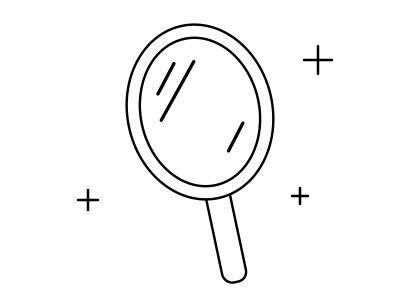
      • A plastic mirror.
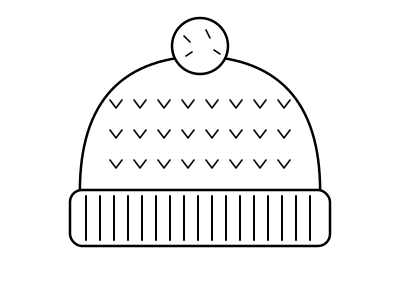
      • A wool hat.

    Living parts review. Circle the part that does the job.

    1. 5.
      Keeps a plant in the ground
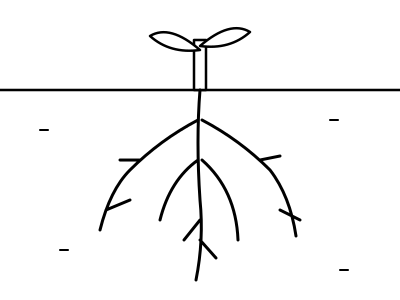
      • Roots.
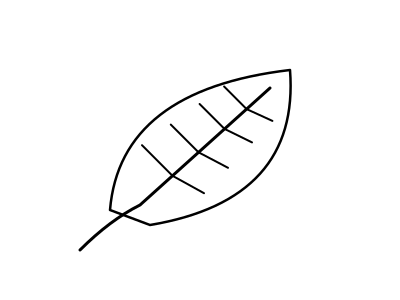
      • A leaf.
    2. 6.
      Keeps an armadillo safe
      • A long tail.
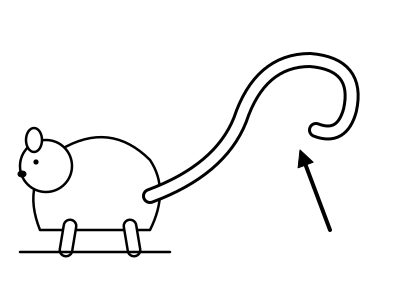
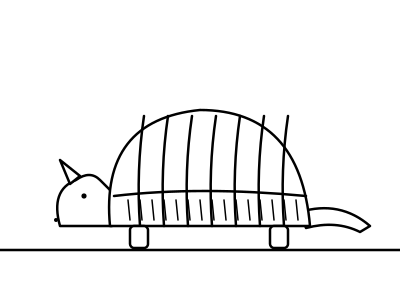
      • Hard armor plates.
    3. 7.
      Helps a seagull grab a fish
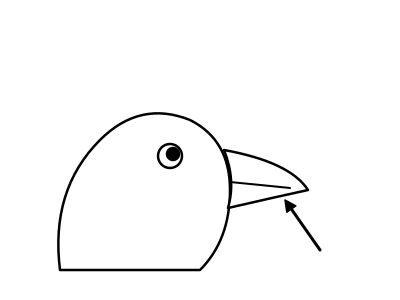
      • A beak.
      • Feathers.
    4. 8.
      Draw one thing you learned about light and one thing about living parts.

    Challenge (optional)

    How is a shadow puppet like a tree on a sunny day?

    You need: crayons