1First Grade

    10 more and 10 less on the hundred chart

    Words from my life

    Practice pages

    0 of 180 days complete · Saved on this device

    View all 180 days

    Math

    10 more and 10 less on the hundred chart

    I can find 10 more and 10 less on the hundred chart.

    Standards: 1.NBT.C.5

    Number practice (no timer)
    Ten more and ten less (mental, no counting)
    Builds on
    Days 1 and 2 (10 more and 10 less with the kit) and Week 16 hundred chart patterns (down a row is 10 more). One-minute check: "What is 10 less than 85?" (75)

    New words

    • row: a line of numbers going across
    • column: a line of numbers going up and down

    You need

    • Hundred chart to 120: printed, or drawn as 12 rows of 10 boxes (1 to 10 in the top row, 111 to 120 in the bottom row)
    • 2 small toys or buttons to hop on the chart
    • 8 move cards made from paper squares: 10 more, 10 more, 10 more, 10 less, 10 less, 10 less, 1 more, 1 less
    • Notebook and pencil
    1. Warm-Up · 5 min

      Fluency: ten more and ten less in your head. "10 more than 61?" (71) "10 less than 61?" (51) "10 less than 30?" (20) Spaced review from Week 17: "Which is greater, 46 or 64?" (64)

    2. Mini-Lesson · 10 min

      Say: "The hundred chart can show 10 more and 10 less." Put a toy on 34. Hop it one row down. Ask: "Where did it land?" (44) Say: "One row down is 10 more." Put it back on 34 and hop one row up. (24) Say: "One row up is 10 less." Ask: "Look at 24, 34 and 44. What is the same?" (They all end in 4.) "What changes?" (The tens digit.) Run your finger down the whole column: 4, 14, 24, 34 ... 114. Say: "The ones digit stays the same down the column. Each hop down adds a ten." Ask: "What is one row down from 97?" (107) Say: "The chart keeps going past 100, so 10 more than 97 is 107."

    3. Guided Practice · 10 min

      For each number, your child finds it on the chart, says 10 more (one row down) and 10 less (one row up), and writes all three numbers in a column in the notebook. 1) 56 (66 and 46) 2) 71 (81 and 61) 3) 18 (28 and 8) 4) 90 (100 and 80) 5) 43 (53 and 33) 6) 65 (75 and 55) Then cover the chart with a sheet of paper and ask: "Without looking, what is 10 more than 22?" (32) If stuck, say: "Put your finger on the number. Slide it straight down one box. Read the new number."

    4. Play · 10 min

      Chart Hop. Both toys start on 45. Mix the 8 move cards and put them face down. On your turn, flip a card, say where your toy will land, then hop it and check. For example: on 45, "10 more" lands on 55. Put the card back and mix the pile after every turn. If a move would take your toy off the top of the chart, stay where you are. The first toy to reach the row from 91 to 100, or any row below it, wins. After each turn, say the jump as a sentence: "10 more than 45 is 55."

    5. Exit Ticket · 3-5 min

      Put the objects to one side but leave them on the table. Read each question aloud. Your child answers out loud, with objects or with a quick drawing. Check each answer together right away.

    Exit ticket

    1. Find 37 on the chart. What is 10 more? What is 10 less?
    2. Cover the chart. What is 10 less than 69?
    3. Why does the ones digit stay the same when you hop one row down?
    Answers
    1. 47 and 27
    2. 59
    3. Answers vary. Look for: you only add a ten, so only the tens change.
    Watch for, and help or stretch
    Watch for
    Moving one box across instead of one row down, such as saying 10 more than 34 is 35.
    Try
    Say: "Across is 1 more. Down is 10 more." Point to the box under the number.
    Extra help
    Use only the top 5 rows (1 to 50). Your child traces the column with a finger before naming the number.
    Stretch
    Ask: "Start at 12. Hop down 3 rows. Where are you?" (42) "How much did you add?" (30)

    At home (optional): Your child shows a family member how to find 10 more and 10 less on the hundred chart for one number.
    Reading & Writing

    Words from my life

    I can connect words to real places and things in my life.

    Standards: L.1.5.c, L.1.5, SL.1.4

    Phonics
    r-controlled er, ir and ur (her, bird, fur, turn)
    Sight words
    will, if, so, make, like
    Reading
    Mother Goose rhymes (public domain); "Rain" by Robert Louis Stevenson (public domain)
    Writing
    Narrative: a small moment told with sense words · Handwriting: copying a poem neatly
    Builds on
    Sense words in poems (Days 1 and 2). One-minute check: your child names a sense word from "Rain" and reads birds, shirts.

    New words

    • cozy: warm, soft and comfortable
    • noisy: full of loud sounds
    • bright: full of light
    • snug: warm and cozy, tucked in tight

    You need

    • Three word cards you write: cozy, noisy, bright (you read these)
    • Sight word cards: will, if, so, make, like
    • Printed "Rain" and "Rain on the Porch" (from Day 1)
    • Lined handwriting paper and crayons
    1. Phonics & Word Work · 15 min

      er, ir and ur with blends and digraphs. I do: read spurt, skirt, twirl: read the blend, then the r-team, then the end: sp-ur-t. We do: read swirl, churn, third, clerk. You do: your child reads burst, stern, shirts, curls, birch, thirst, perch, blurt, chirps, spurt. Read: "The third bird can twirl." "Her skirt has a swirl on it." Dictation: skirt, churn, third, curls. If stuck, cover the end of the word, read the blend and the r-team, then uncover the end: sk-ir-t.

    2. Sight Words · 5 min

      Review: will, if, so, make, like. Hide and Seek: while your child covers their eyes, hide the 5 cards around the room. Your child finds each card, reads it and says a sentence with it.

    3. Read-Aloud & Shared Reading · 15 min

      Say: "Words connect to real places in our lives. On a rainy day, some places at home feel cozy." Reread "Rain" together once (choral). Then walk through the house with the three cards (you read them). At each card, your child stands in a place that fits and tells why with one detail. Ask: "Where in our home is it cozy? What makes it cozy?" (Answers vary. Look for: a place plus a detail, such as "My bed is cozy because it has a soft blanket.") Ask: "Where is it noisy? What makes the noise?" (Answers vary. Look for: a real place and its sound, such as the kitchen and the pots.) Ask: "Where is it bright? What makes it bright?" (Answers vary. Look for: a window with sun or a room with a lamp.) If stuck, give two choices: "Is the bathroom or your bed more cozy? Why?" Then your child reads "Rain on the Porch" once and points to the part where the sky gets bright. ("Then the sun came out. The sky was so bright!")

    4. Writing & Handwriting · 15 min

      Your child writes two sentences about places at home, using these frames: "My ___ is snug." and "It is bright by the ___." Say: "Snug means warm and cozy. It is a word you can sound out." Your child fills each blank by sounding out the word (bed, rug, lamp, window). Spelling by sounds is fine. Then draw one of the places. Handwriting (4 min): finger spaces. Your child copies My bed is snug. and puts a finger down after each word to make a space.

    5. Exit Ticket · 5 min

      Oral answers.

    Exit ticket

    1. Name a place in our home that is quiet, and tell why it is quiet.
    2. Read this: The cat has soft fur. It is snug in the sun.
    3. Is a soft bed in a dim room more cozy or more noisy?
    Answers
    1. Answers vary. Look for: a real place and a reason, such as "My room is quiet when the door is shut."
    2. The cat has soft fur. It is snug in the sun.
    3. Cozy.
    Watch for, and help or stretch
    Watch for
    Naming a place with no reason.
    Try
    Ask: "What makes it cozy? Tell me one thing you can see or feel there."
    Extra help
    Use only cozy and bright today. Act out cozy with a blanket.
    Stretch
    Add a fourth card, chilly (you read it). Your child finds a chilly place, such as by an open window or near the fridge, and tells why.

    At home (optional): At bedtime, your child tells you one cozy thing about their bed.

    Science

    Animal parents protect

    I can tell how animal parents keep babies safe.

    Standards: 1-LS1-2

    Builds on
    Animal parents feed their young (Day 1). One-minute check: ask "What do robin parents bring their babies?" (worms and small insects)

    New words

    • protect: to keep safe from harm
    • herd: a big family group of animals, such as elephants, that live together
    • hatch: to break out of an egg

    You need

    • Parents Help chart from Day 1
    • 3 index cards with the 3 Protect Fact Cards copied on them (the text is in the Explore step)
    • Optional: photos or a short video of emperor penguins, alligators or elephants from a zoo or national park website
    • 4 to 6 stuffed animals or pillows, and 1 small toy to be the baby elephant
    • Science Notebook
    • Crayons
    1. Warm-Up / Wonder · 5 min

      Spaced review: ask: "What does a whale calf drink?" (its mother's milk) Wonder question: "Baby animals are small. How do their parents keep them safe?"

    2. Explore · 10–15 min

      Read Protect Fact Card 1: "Emperor penguins live in Antarctica. The mother lays an egg and gives it to the father. The father holds the egg on top of his feet and covers it with a warm fold of skin. He keeps it warm for more than two months while the mother goes to the sea to eat. The father does not eat the whole time." Ask: "Where does the father keep the egg?" (on his feet, under a fold of skin) "Why?" (to keep it warm) Your child stands with a soft toy on top of their feet and shuffles slowly, like a penguin dad. Read Card 2: "An alligator mother builds a big nest and lays her eggs in it. She stays near the nest the whole time the eggs are growing. When the babies are ready to hatch, they call to her, and she opens the nest. She carries 8 to 10 babies at a time in her mouth down to the water. The young stay close to her, often for about a year." Ask: "How does the alligator mother get her babies to the water?" (She carries them in her mouth.) Read Card 3: "Elephants live in family groups called herds. When the grown-ups sense danger, they bunch together in a ring, facing out, and push the calves into the middle." Act it out: put the small toy in the middle of the floor. Your child arranges the stuffed animals in a ring around it, all facing out. Ask: "Why are the calves in the middle?" (The big elephants keep them safe from danger.) Add each animal to the Parents Help chart. Ask: "Is keeping an egg warm a kind of help, too?" (yes) Add a new label at the bottom of the chart: Keep warm. If stuck on how a behavior helps, ask: "What could happen to the baby if the parent did not do this?" (Sample: the egg could freeze.)

    3. Talk & Record · 5–10 min

      Your child draws one parent keeping its baby safe or warm. Sentence frame: "The ___ keeps its baby safe by ___."

    4. Exit Ticket · 3–5 min

      Ask the three questions aloud. Your child answers by talking or drawing.

    Exit ticket

    1. A mother bird sits on her eggs in the nest. What is she doing for them?
    2. A mother cat picks up her kitten in her mouth and carries it back to their bed. How does that help the kitten?
    3. A mother deer leaves her fawn hidden in tall grass while she eats close by. How does that help the fawn?
    Answers
    1. Keeping them warm (and safe).
    2. It keeps the kitten safe and close to its mother (protecting).
    3. Answers vary. Look for: the fawn stays hidden and safe from danger (protecting).
    Watch for, and help or stretch
    Watch for
    Saying the parent "loves" the baby but not telling what the parent does.
    Try
    Say: "Yes, and what does the parent do with its body?" Point to the action words on the card: holds, carries, stands in a ring.
    Extra help
    Do only the penguin and elephant cards and act both out.
    Stretch
    Your child tells which parent's job seems hardest and why. (Answers vary. Look for: a reason, such as the penguin father does not eat for more than two months.)

    At home (optional): Your child tells a family member how a penguin father keeps his egg warm and shows it with a toy on their feet.

    Practice

    Read each direction aloud. Your child works on the page; answers are in the grown-up view.

    Warm-up

    Remember?

    Math

    1. Write >, < or =: 71 ___ 17
    2. 5 + 2 = 7. So 2 + 5 = ?

    Reading & Writing

    1. each, about, out

    Math · Week 19 Day 3

    I can find 10 more and 10 less on the hundred chart.

    Look: 36 and 56 on the chart

    1. Find 46 on the hundred chart.
    2. One row up is 36. That is 10 less.
    3. One row down is 56. That is 10 more.

    Write the missing numbers on each chart piece.

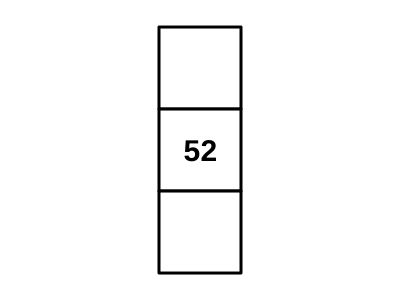
    1. 1.
      A hundred chart piece of 3 boxes in a column. The middle box shows 52. The top and bottom boxes are empty. Up: ____ Down: ____
    2. 2.
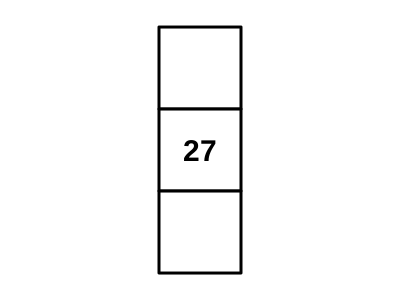
      A hundred chart piece of 3 boxes in a column. The middle box shows 27. The top and bottom boxes are empty. Up: ____ Down: ____
    3. 3.
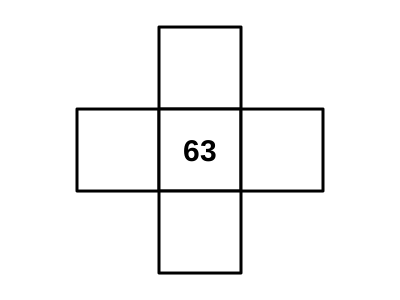
      A hundred chart piece shaped like a plus sign. The middle box shows 63. The boxes above, below, left and right are empty. Above: ____ Below: ____ Left: ____ Right: ____
    Use the chart to circle or write where you land.

    1. 4.
      Hop one row down from 79. Where do you land?
      • 80
      • 89
      • 69
    2. 5.
      Hop one row up from 41. Where do you land?
      • 31
      • 40
      • 51
    3. 6.
      Hop one row down from 95. The chart keeps going past 100. Where do you land? ____
    4. 7.
      Hop one row up from 88. Where do you land? ____

    Challenge (optional)

    Start on 18. Hop down 3 rows. Where do you land?

    You need: Hundred chart to 120, Pencil

    Reading & Writing · Week 19 Day 3

    I can connect words to real places and things in my life.

    Look: words in my life

    1. Read: My bed is soft.
    2. Ask: Where is a soft place in my home? My bed.
    3. Tell why: It has a soft blanket.

    At Home

    The rug is by the lamp. The cat naps on the rug. It is snug and still. The dog digs in the dirt by the shed. It is a mess!

    Read the line. Tick it if it is true in your home.

    1. 1.
      I have a rug.
    2. 2.
      I have a bed that is snug.
    3. 3.
      I have a lamp.

    Finish the line with a place or thing in your home. Then draw it.

    1. 4.
      It is snug in my ____.
    2. 5.
      It is hot by the ____.
    3. 6.
      My snug spot

    Challenge (optional)

    Read: The cat naps on the rug. Is the cat snug? Tell why.

    You need: crayons

    Science · Week 19 Day 3

    I can tell how animal parents keep babies safe.

    Look: How parents keep babies safe

    1. Read a fact: "A mother kangaroo keeps her joey in her pouch."
    2. Ask: what could happen to the joey if she did not?
    3. The pouch keeps the joey safe and warm.

    Circle how the parent keeps its baby safe or warm.

    1. 1.
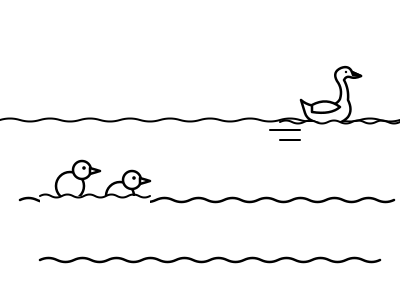
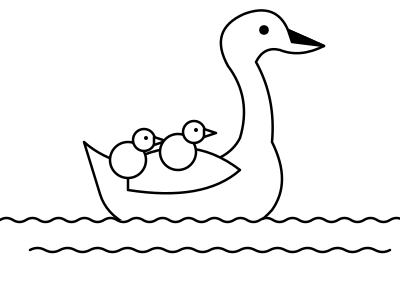
      A mother swan
      • Baby swans riding on her back.
      • The mother swan swimming far away alone.
    2. 2.
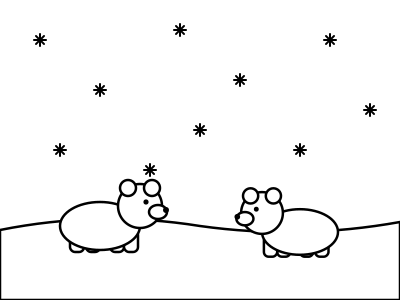
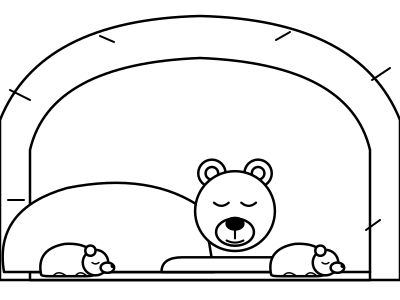
      A mother bear in winter
      • Cubs alone in the snow.
      • Cubs curled up next to her in a den.
    3. 3.
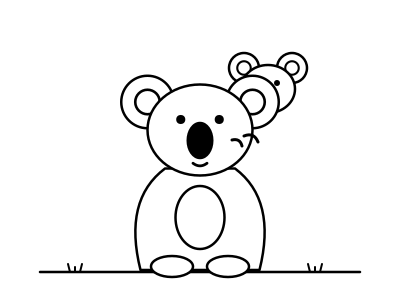
      A mother koala
      • A baby koala holding on to her back.
      • A baby koala alone on the ground.

    Circle yes or no.

    1. 4.
      Does a father seahorse keep the eggs safe in a pouch on his belly?
      • yes
      • no
    2. 5.
      Would an egg left out in the snow stay safe and warm?
      • yes
      • no
    3. 6.
      When wolves come near, do musk oxen stand in a circle with their calves in the middle?
      • yes
      • no
    4. 7.
      Draw a parent keeping its baby safe or warm.

    Challenge (optional)

    Emperor penguin fathers do not eat while they hold the egg. Why don't they leave to get food?

    You need: crayons