1First Grade

    Writing addition equations

    All About My Name

    Practice pages

    0 of 180 days complete · Saved on this device

    View all 180 days

    Math

    Writing addition equations

    I can write an equation with + and = to match a story.

    Standards: 1.OA.A.1

    Number practice (no timer)
    Make 5 and make 10 with fingers and ten frames
    Builds on
    Days 1 to 3: adding and putting-together stories. One-minute check: "5 and 5 make?" (10) "6 and what make 10?" (4)

    New words

    • plus: the sign + that means add
    • equals: the sign = that means is the same as
    • equation: a number sentence with an equal sign, such as 4 + 3 = 7

    You need

    • 20 counters
    • Toy animals or snacks
    • Index cards or paper squares
    • Notebook and pencil
    1. Warm-Up · 5 min

      Fluency: make 5 and make 10. Say a number and your child says its partner to make 10: 8 (2), 1 (9), 6 (4), 5 (5). Then partners of 5: 2 (3), 4 (1). Spaced review from Day 2: put 3 and 4 counters on the mat. Your child names the whole (7).

    2. Mini-Lesson · 10 min

      Say: "Today we write our stories with numbers and signs." Tell a story and act it out: "4 birds sit in a tree. 3 more birds fly in." Ask: "How many birds?" (7) Write 4 + 3 = 7. Point and read: "4 plus 3 equals 7." Say: "The + sign is called plus. It means add. The = sign is called equals. It means is the same as. 4 plus 3 is the same as 7." Point to each number and ask what it stands for. (4 is the birds in the tree, 3 is the birds that flew in, 7 is all the birds.) Do a put-together story: "2 red cups and 5 blue cups." Your child builds it and you write 2 + 5 = 7 together.

    3. Guided Practice · 10 min

      Tell each story. Your child builds it with counters and writes the equation, with your help on the signs. 1) "5 kids are on the bus. 2 more get on." (5 + 2 = 7) 2) "3 big dogs and 6 small dogs are at the park." (3 + 6 = 9) 3) "2 shells are in a bucket. You find 8 more." (2 + 8 = 10) 4) Now switch. Write 6 + 1 = 7. Your child tells a story that matches. (Answers vary. Look for: 6 things, 1 more joins, 7 in all.) If stuck, say: "What was there first? Write that number. Then write plus. What came next?"

    4. Play · 10 min

      Equation Match. Write 4 equation cards: 3 + 2 = 5, 1 + 7 = 8, 4 + 4 = 8 and 5 + 4 = 9. Your child picks a card, reads it aloud and draws a picture that matches it under the card. Then your child makes up a story for one card and tells it to you. Finally your child writes one new equation of their own and draws it.

    5. Exit Ticket · 3-5 min

      Put the objects to one side but leave them on the table. Read each question aloud. Your child answers out loud, with objects or with a quick drawing. Check each answer together right away.

    Exit ticket

    1. Write the equation: 2 dogs are playing. 5 more dogs come.
    2. What does the = sign mean?
    3. Tell a story for 3 + 4 = 7.
    Answers
    1. 2 + 5 = 7
    2. It means is the same as (or equals).
    3. Answers vary. Look for: 3 things, 4 more join or are put with them, and 7 in all.
    Watch for, and help or stretch
    Watch for
    Writing the numbers in a different order than the story, or leaving out the = sign.
    Try
    Point to the objects in the order they happened in the story. Your child writes each number as you point.
    Extra help
    Write the signs for your child and let them fill in the numbers. Keep totals to 6 or less.
    Stretch
    Ask your child to write two different equations with a total of 9, and tell a story for each (such as 4 + 5 = 9 and 7 + 2 = 9).

    At home (optional): Find an equation in your house: line up 2 spoons and 3 forks and write 2 + 3 = 5 on a sticky note next to them.

    Reading & Writing

    All About My Name

    I can draw myself and label my picture by writing the sounds I hear.

    Standards: L.1.2.e, L.1.1.a, SL.1.4

    Phonics
    Short a and short i in CVC words (cat, map, sit, pig); blending and segmenting 3 sounds
    Reading
    Chrysanthemum (Kevin Henkes); original decodable story "Pam and the Big Cat"
    Writing
    Drawing and labeling an All About My Name page; spelling by sounds · Handwriting: lowercase c, a, d, g, o, q
    Builds on
    Hearing each sound in a word (Days 1 and 2). One-minute check: say bag; your child says the sounds (/b/ /a/ /g/). Repeat with hat and pin.

    New words

    • label: a word that names part of a picture
    • stretch a word: say a word slowly so we hear every sound

    You need

    • Plain paper
    • Pencil
    • Crayons
    • Handwriting sheet (c, a, d, g, o, q)
    • Name page from Days 1 to 3
    1. Phonics & Word Work · 15 min

      I do: say "Watch me stretch hat: /h/ /a/ /t/." Write a letter for each sound. We do: stretch and write bag and cat. You do: your child stretches and writes pan, sit and lip, saying each sound first. Then build word chains with pencil: hat, bat, bit, big, dig. Read: "A big pig can dig." "I can see a bat." Dictation: hat, bag, dig, lip, sit. If stuck, use sound boxes from Day 2 and let your child push counters before writing.

    2. Sight Words · 5 min

      Rainbow Write with kindergarten words: your child writes like and look three times each in different crayons, saying each letter, then reads them. Finish by reading the Practice pile from earlier this week.

    3. Read-Aloud & Shared Reading · 15 min

      Partner-read "Pam and the Big Cat": you read one page, your child reads the next. Then return to the picture book and look at a page that shows the main character's family or home. Ask: "What do the pictures tell us about her family?" (Answers vary. Look for: a detail in the picture, such as they hug her or smile.) Ask: "If you made a page about your name, what would you put on it?" (Answers vary.) Ask: "What is one thing that happened at the end?" (Answers vary. Look for: an event from the last pages.)

    4. Writing & Handwriting · 15 min

      Finish the All About My Name page. Your child draws three things that tell about them, such as a cat, a bag and a hat, and labels each one by stretching out the sounds. Say: "Say it slowly. What sound do you hear first? Next? Last?" Accept sound spelling such as bak. Then your child tells you about the page in two sentences: "This is my ___. I like it because ___." (SL.1.4) Handwriting (4 min): model each letter large in the air, then on paper while saying the path aloud. c: start at 2 o'clock, curve up and back around, and stop at 4 o'clock; a: make a c, go back up to the top, then straight down; d: make a c, go up to the tall line, then straight down; g: make a c, go up, then down below the line and hook left; o: start at 2 o'clock, go all the way around and close it; q: make a c, go up, then down below the line and flick right. Your child writes each letter 3 times on lined paper and circles the best one. Today review all six letters once each, starting each at the 2 o'clock spot.

    5. Exit Ticket · 5 min

      Your child answers by writing on a whiteboard or paper, then reads it back.

    Exit ticket

    1. Write the word hat. Say each sound as you write.
    2. Write the word pig.
    3. Tell me about one thing on your name page.
    Answers
    1. hat (accept h-a-t; check that there is a letter for each sound)
    2. pig
    3. Answers vary. Look for: a full sentence with a detail, such as "This is my cat. She is big."
    Watch for, and help or stretch
    Watch for
    Writing only the first letter of each label (c for cat).
    Try
    Hold up three fingers. Point to each finger as your child says each sound, then have your child write a letter for every finger.
    Extra help
    You say the word slowly while your child writes. Give an alphabet strip with pictures to find letters.
    Stretch
    Your child writes a label sentence for each picture: "I can see a cat."

    At home (optional): Your child shows the name page to someone at home and tells one thing about it in a full sentence.

    Social StudiesWeekly check

    Families are alike and different

    I can tell how my family is special and how families can be alike and different.

    Standards: D2.Civ.10.K-2, D2.Civ.2.K-2

    Builds on
    All about me and my name. One-minute check: your child tells one thing that is the same and one thing that is different about your two name pages.

    New words

    • family: the people who love and take care of each other at home

    You need

    • Drawing paper
    • Crayons
    • Photos or a picture book that shows many kinds of families (ask your librarian for one that shows many kinds of families)
    • A paper folded into 2 columns: All families / Can be different
    1. Warm-Up / Wonder · 5 min

      Spaced review: ask: "What did you learn about my name on Tuesday?" (Answers vary.) Wonder question: "Are all families the same?" (Answers vary.)

    2. Review Game · 10 min

      Your child draws "My Family." Then look at photos or book pages that show many kinds of families: one parent, two parents, grandparents raising children, foster and adoptive families, blended families, big families and small families. Do not comment on which is which; just look and talk. Ask about each: "What do you notice this family doing?" (Sample: eating, playing, hugging, helping.) Then ask: "Who helps in our family, and what does each person do?" (Answers vary. Look for: every person has a job, even children.) Then play the sort. You say a phrase and your child puts it in a column. Care for each other (all families). Help each other (all families). How many people (can be different). Languages they speak (can be different). Foods they eat (can be different). Keep each other safe (all families). If stuck, ask: "Does every family do this, or only some?"

    3. Check · 10 min

      Give the Week 1 social studies check. The check items are on the Week 1 check page; do not show them ahead of time. This week the check is spoken. Read each part aloud. Your child answers by talking, pointing, acting it out or drawing, and you write their words exactly. It is not timed; stop and finish later if your child is tired. Make a check mark next to each part your child shows on their own. The printed check has 7 items. It covers these goals: (1) I can tell something special about me and listen to what is special about someone else; (2) I can tell how my family is special and how families can be alike and different. Your child names two ways all families are alike and one way families can be different, using their drawing and the sort. Look for ideas like caring, helping and sharing for alike, and size, people, languages or foods for different. Write their words under the drawing. Secure: 6 of 7 correct, with at least 2 right on items 3 to 7. If the check is not yet secure, use the reteach step on the check page that matches the items missed.

    4. Exit Ticket · 3–5 min

      Ask the two questions aloud.

    Exit ticket

    1. Name two ways families are alike.
    2. Name one way families can be different.
    Answers
    1. Answers vary. Look for: two of caring, helping, sharing, loving or keeping each other safe.
    2. Answers vary. Look for: how many people, who is in the family, languages, foods or homes.
    Watch for, and help or stretch
    Watch for
    Saying a family "has to" have a certain set of people.
    Try
    Look back at the photos together and ask: "Do these people love and take care of each other?" Say: "Then they are a family."
    Extra help
    Sort 4 phrases only and give your child the frame "All families ___."
    Stretch
    Your child draws a second family from a book and writes one way it is like their own family.

    At home (optional): Your child tells a grandparent, cousin or friend one way all families are alike.

    Practice

    Read each direction aloud. Your child works on the page; answers are in the grown-up view.

    Warm-up

    Remember?

    Math

    1. Count by 10s: 10, 20, 30, ___, ___
    2. What shape has 3 straight sides and 3 corners?

    Reading & Writing

    1. I can see it.

    Math · Week 1 Day 4

    I can write an equation with + and = to match a story.

    Look: 6 frogs and 3 more

    1. 6 frogs sit on a log. 3 more frogs hop on.
    2. Write the numbers in story order with a plus sign: 6 + 3.
    3. Count them all and write = 9. Read it: 6 plus 3 equals 9.

    Listen to the story. Write the equation.

    1. 1.
      1 cat is on the bed. 4 more cats jump up.
    2. 2.
      7 kids are in line. 2 more kids get in line.
    3. 3.
      3 red cups and 3 blue cups are on the shelf.
    4. 4.
      5 ducks are in the pond. 5 more ducks swim in.

    Circle the missing sign, or write the missing number.

    1. 5.
      6 ___ 2 = 8
      • +
      • =
    2. 6.
      2 + 7 ___ 9
      • +
      • =
    3. 7.
      8 stars and then 1 star. 8 + 1 = ___

    Challenge (optional)

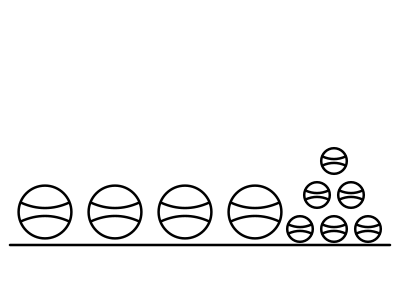
    4 big balls and 6 small balls. Write an equation for the picture. Then tell a story for it.
    Reading & Writing · Week 1 Day 4

    I can draw myself and label my picture by writing the sounds I hear.

    Look: stretch and write a label

    1. Say "wig" slowly: /w/ /i/ /g/. Hold up one finger for each sound.
    2. Write one letter for each sound: w, i, g. Read it back: wig.
    3. Say: "When you draw, you can label your picture this way."

    I Am Jim

    I am Jim. I can dig. I can sit and sip. I had a big hat. It is tan!

    Say the name of the picture. Write the letters for the sounds you hear.

    1. 1.
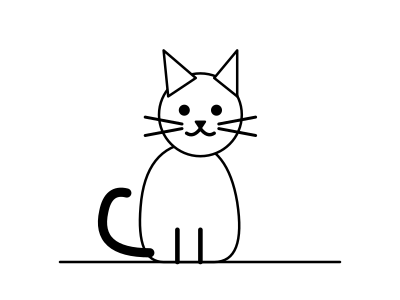
      A cat.
    2. 2.
      A pin.
    3. 3.
      A map.
    4. 4.
      A pig.

    Draw yourself. Label two things in your picture.

    1. 5.
      Me
    2. 6.
      I am ___.
    3. 7.
      I can ___.

    Challenge (optional)

    Jim had a big ___.

    You need: crayons

    Social Studies · Week 1 check

    Weekly check

    How to give it: Read every question and choice aloud, and point to each picture as you name it. This week the check is spoken. Your child answers by talking, pointing, circling, acting it out or drawing; write their words exactly on the line. It is not timed; stop and finish later if your child is tired. Do not show the page ahead of time. Your child may look at the family drawing from Day 4. Make a check mark next to each part your child shows on their own.

    Secure when: 6 of 7 correct, with at least 2 right on items 3 to 7

    • I can tell something special about me and listen to what is special about someone else.
    • I can tell how my family is special and how families can be alike and different.
    1. 1.
      Tell me one thing you love to do.
    2. 2.
      I will tell you something I love. Then you say it back.
    3. 3.
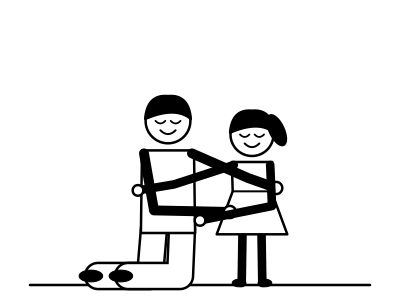
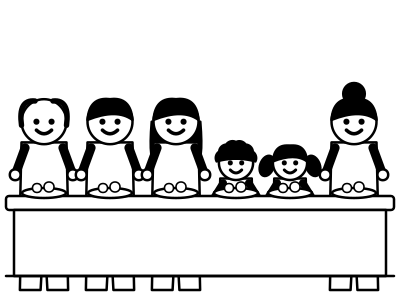
      A family of two hugging. A big family eating together. Both families care for each other. Is that alike or different? Circle the same stars for alike or the star and heart for different.

      • Two stars that are the same.
      • A star and a heart.
    4. 4.
      One family speaks Spanish at home. One family speaks English at home. Is that alike or different?
      • Two stars that are the same.
      • A star and a heart.
    5. 5.
      What do all families do for each other?
    6. 6.
      Tell one thing that can change from one family to the next.
    7. 7.
      Tell one thing that makes your family special.