1First Grade

    Adding ones in stories

    List poem

    Practice pages

    0 of 180 days complete · Saved on this device

    View all 180 days

    Math

    Adding ones in stories

    I can solve stories that add a one-digit number.

    Standards: 1.NBT.C.4

    Number practice (no timer)
    Add ones to a two-digit number: just add the ones
    Builds on
    Days 1 to 3 (adding ones) and Week 20 Day 4 (adding tens in stories). One-minute check: "43 + 6?" (49)

    New words

    • circle: draw a ring around something to show it

    You need

    • Tens and ones kit: 9 tens and 9 ones. Use straw bundles of 10 (a rubber band around each) and loose straws, base-ten rods and unit cubes, or paper ten-strips (strips of 10 squares, cut by an adult) with beans as ones
    • 1 die
    • 6 start cards made from paper squares: 21, 50, 92, 13, 71, 32
    • Notebook, pencil and a crayon
    • Beans and unit cubes are small parts: keep them away from children under 3.
    1. Warm-Up · 5 min

      Fluency: add ones to a two-digit number. "52 + 3?" (55) "70 + 6?" (76) Spaced review from Week 20: "45 + 30?" (75)

    2. Mini-Lesson · 10 min

      Read the story: "The library shelf had 43 books. The librarian added 6 more. How many books are on the shelf now?" Ask: "Adding or taking away?" (Adding. 6 more books.) Draw 43 as 4 sticks and 3 dots. Add 6 dots and circle the 6 new dots with the crayon. Ask: "How many sticks? How many dots?" (4 sticks, 9 dots) Write 43 + 6 = 49. Say: "Now the sentence: There are 49 books on the shelf." Ask: "Did adding 6 books change the tens?" (No. 3 + 6 = 9 ones.)

    3. Guided Practice · 10 min

      Read each story twice. Your child draws a quick picture, circles the ones that were added, writes the equation and says the answer in a sentence. 1) "A class garden has 31 carrots. Sam plants 7 more. How many carrots now?" (31 + 7 = 38) 2) "Jamal has 64 shells. Mei gives him 5 shells. How many shells does Jamal have now?" (64 + 5 = 69) 3) "A parking lot has 82 cars. 6 more cars park. How many cars now?" (82 + 6 = 88) 4) "Grandpa has 4 red buttons and 75 blue buttons in a jar. How many buttons in all?" (75 + 4 = 79) If stuck, say: "What did we start with? Draw it. What got added? Draw it and circle it."

    4. Play · 10 min

      Story Dice. On your turn, flip a start card and roll the die. Tell a story using both numbers about something at home, such as: "There were 21 grapes in the bowl. Dad added 5." The other player draws a quick picture, writes the equation and says the answer in a sentence. Check with the kit. Take turns. Play 6 stories. (Every start card ends in 0, 1, 2 or 3, so the ones stay at 9 or fewer.)

    5. Exit Ticket · 3-5 min

      Put the objects to one side but leave them on the table. Read each question aloud. Your child answers out loud, with objects or with a quick drawing. Check each answer together right away.

    Exit ticket

    1. Omar has 46 marbles. He finds 3 more. How many marbles does he have now?
    2. A box has 70 crayons. You add 8 crayons. How many crayons are in the box?
    Answers
    1. 49 (46 + 3 = 49)
    2. 78 (70 + 8 = 78)
    Watch for, and help or stretch
    Watch for
    Writing only the ones (9) as the answer.
    Try
    Point to the sticks. Ask: "Where did these tens go?" The answer has the tens and the ones.
    Extra help
    Act out each story with the kit before drawing.
    Stretch
    Try a missing part: "Jamal had 64 shells. Some friends gave him more. Now he has 68. How many did they give him?" (4)

    At home (optional): Your child tells a family member a story about adding a few things to a big group (such as 3 more spoons to 42) and solves it with a quick picture.
    Reading & Writing

    List poem

    I can write a list poem about one topic.

    Standards: L.1.2.c, SL.1.5

    Phonics
    Vowel sounds ou and ow (out, house, cow, down)
    Sight words
    way, people, than, first, water
    Reading
    "Who Has Seen the Wind?" by Christina Rossetti; "The Owl and the Pussy-cat" by Edward Lear (both public domain)
    Writing
    Poetry: a list poem and a feelings poem · Handwriting: poem in neat lines
    Builds on
    Planning the list poem (Day 3). One-minute check: your child reads the 4 sticky notes.

    New words

    • list: a set of things written one after another
    • comma: a mark (,) that tells the reader to take a short pause

    You need

    • Spelling chart you write: two columns, ou (out) and ow (cow)
    • Sight word cards: way, people, than, first, water (two sets: 10 cards for Memory Match)
    • Printed "Who Has Seen the Wind?" and "Out in the Wind" (from Days 1 and 3)
    • Sticky notes (from Day 3)
    • Paper and crayons
    1. Phonics & Word Work · 15 min

      Spelling /ow/. I do: say "When I hear /ow/ in the middle, I try ou, as in out. At the end, I try ow, as in cow." Write mouth and how in the right columns. We do: spell loud and owl together. You do: your child spells 4 words and checks them on the chart: cow, out, town, loud. Read: "How loud is the crowd?" "The owl and the cow sat down." Dictation: mouth, brown, shout, howl. If stuck, ask: "Is /ow/ in the middle or at the end? Look at the chart."

    2. Sight Words · 5 min

      Review: way, people, than, first, water. Memory Match with 10 cards: turn two over and read both. A match is kept.

    3. Read-Aloud & Shared Reading · 15 min

      Reread "Who Has Seen the Wind?" together. Then your child reads "Out in the Wind". Ask: "Make a list. What did the wind do in the story?" (It made the trees bend, made the clouds run fast, got the flag and Gus's hat, and made the pond water splash.) Ask: "What did the wind get first?" (the flag) Ask: "How did Mom say we know the wind is there?" (We can see what it can do.)

    4. Writing & Handwriting · 15 min

      Write the list poem. Say: "When we list single words in a sentence, we put a comma after each word except the last two, which have and between them." Write your model and point to each comma: "The wind can bend, spin, flap and howl." Your child writes the title Things the Wind Can Do, then writes one or two list sentences using the sticky notes and the frame "The wind can ___, ___, ___ and ___." Your child draws a picture for the poem. Handwriting (3 min): a comma sits on the line and has a small tail that dips below.

    5. Exit Ticket · 5 min

      Oral answers.

    Exit ticket

    1. Where do the commas go? Read this: The wind can spin flap and howl.
    2. Name two things the wind can do that are not in your poem.
    Answers
    1. After spin: "The wind can spin, flap and howl."
    2. Answers vary. Look for: real wind actions, such as push a sailboat or dry clothes.
    Watch for, and help or stretch
    Watch for
    Putting a comma after every word, even before and or after the last word.
    Try
    Say the list aloud and tap the table at each pause. A comma goes at each tap that comes before and.
    Extra help
    Your child tells the list while you write; your child adds the commas.
    Stretch
    Your child writes a second list sentence about a topic of their choice, such as things that are loud.

    At home (optional): Your child reads the list poem to someone at home and asks them to add one more wind word.

    Social StudiesWeekly check

    Sources help us learn

    I can explain how a source helps us learn about the past.

    Standards: D2.His.10.K-2

    Builds on
    Kinds of sources (Day 2). One-minute check: ask "Name the four kinds of sources." (pictures, writing, objects, things people tell)

    New words

    • detective: a person who looks for clues to solve a mystery
    • wonder: to have a question you want to find out about

    You need

    • One old object or old photo your child has not seen before
    • Detective page: a sheet of paper with 3 boxes labeled I see / I think / I wonder
    • 3 other household things for the review game (for example, a spoon, a birthday card and a family photo)
    • Week 21 social studies check page (given separately)
    • Pencil
    1. Warm-Up / Wonder · 5 min

      Spaced review: ask: "Is a letter a picture source or a writing source?" (writing) Wonder question: "How can one old photo teach us about the past?"

    2. Review Game · 10 min

      Play "Quick Sort." Hold up each of the 3 household things. Your child says what kind of source it is (spoon: object; card: writing, and maybe a picture; photo: picture) and one thing a person in 100 years could learn from it. (Sample: "People used spoons to eat.") Then be history detectives with the new object or photo. Say: "The Library of Congress, our country's big library, teaches history detectives three steps: look closely, think about what it means, and ask questions." Your child fills the Detective page with you. I see: only what the eyes see. (Sample: "a black and white picture of kids by a wagon.") I think: a guess using the clues. (Sample: "I think it is old because it has no color.") I wonder: a question. (Sample: "I wonder where they were going.") If stuck on I see, cover all but one corner of the photo and ask: "What is in this corner?"

    3. Check · 10 min

      Give the Week 21 social studies check. The check items are on the Week 21 check page; do not show them ahead of time. Read each part aloud. Your child answers by talking, pointing, showing with the real materials or drawing. You write down their words exactly. It is not timed; stop and finish later if your child is tired. Make a check mark next to each part your child shows on their own. The printed check has 8 items. It covers these goals: (1) I can name different kinds of sources that tell about the past; (2) I can explain how a source helps us learn about the past. This week the check is a history-detective task with one source. Look for: at least one true "I see" detail, an "I think" idea that uses a clue, an "I wonder" question, and a sentence that tells what the source teaches about the past. If stuck on a part, point to one part of the source and ask: "What do you see right here?" Secure: 6 of 8 correct, with at least one right on each goal. If the check is not yet secure, use the reteach step on the check page that matches the items missed.

    4. Exit Ticket · 3–5 min

      Ask the three questions aloud. Your child answers by talking or drawing.

    Exit ticket

    1. What is the difference between "I see" and "I think"?
    2. You find an old school report card in a drawer. What could it teach you about the past?
    3. Ask one "I wonder" question about the source you studied today.
    Answers
    1. "I see" is only what your eyes see; "I think" is a guess you make from the clues.
    2. Answers vary. Look for: what subjects children studied or how they were graded long ago.
    3. Answers vary. Look for: a real question that starts with who, what, where, when, why or how.
    Watch for, and help or stretch
    Watch for
    Writing a guess in the I see box ("I see they are going to a party").
    Try
    Ask: "Can your eyes see a party, or are you guessing?" Move the guess to the I think box.
    Extra help
    Fill in I see and I wonder only, with the grown-up writing.
    Stretch
    Your child studies a second source and tells which one taught them more and why.

    At home (optional): Your child does I see / I think / I wonder with one old family photo and a grown-up who knows the story.

    Practice

    Read each direction aloud. Your child works on the page; answers are in the grown-up view.

    Warm-up

    Remember?

    Math

    1. What is 10 less than 67?
    2. 27 is 2 tens and 7 ones. It is also 1 ten and how many ones?

    Reading & Writing

    1. cord, thorn, stork

    Math · Week 21 Day 4

    I can solve stories that add a one-digit number.

    Look: a story that adds ones

    1. Story: A box has 62 crayons. Ty puts in 5 more. How many crayons now?
    2. Draw 62: 6 sticks and 2 dots. Draw 5 more dots and circle them. 2 + 5 = 7 ones.
    3. 62 + 5 = 67. There are 67 crayons in the box.

    Listen to each story and write the equation and the answer.

    1. 1.
      A tree has 53 apples. 4 more apples grow. How many apples are on the tree now?
    2. 2.
      There are 20 children at the pool. 9 more come. How many children are at the pool now?
    3. 3.
      Lena has 3 red beads and 84 blue beads. How many beads does she have in all?

    Draw or circle to solve.

    1. 4.
      Draw a quick picture and circle the ones that were added: A hen house has 71 eggs. Farmer Jo finds 6 more eggs. How many eggs now? ____
    2. 5.
      A bag has 45 marbles. Raj adds 2 more. Circle the equation that fits.
      • 45 + 2 = 47
      • 45 + 20 = 65
      • 45 - 2 = 43
    3. 6.
      A van has 14 children in it. 5 more children get in. How many children are in the van now? ____

    Challenge (optional)

    A shelf has 32 cups. Some more cups are put on it. Now there are 38 cups. How many cups were put on the shelf?

    You need: Pencil, A crayon

    Reading & Writing · Week 21 Day 4

    I can write a list poem about one topic.

    Look: a list poem with commas

    1. A list poem tells many things about one topic.
    2. Read: A dog can sit, run, dig and jump.
    3. Put a comma after each thing. Put and before the last thing.

    Things a Dog Can Do

    A dog can sit, run, dig and jump. A dog can howl, sniff, nap and lick.

    Put in the commas.

    1. 1.
      I can hop skip and jump.
    2. 2.
      The owl can sit look and hunt.
    3. 3.
      We can shout clap and sing.
    4. 4.
      Pat can run jump and spin.

    Write a list poem about an animal. Use commas. Then draw it.

    1. 5.
      A ____ can ____, ____ and ____.
    2. 6.
      It can ____, ____ and ____.
    3. 7.
      Things it can do

    Challenge (optional)

    Rain can ____, ____ and ____.

    You need: crayons

    Social Studies · Week 21 check

    Weekly check

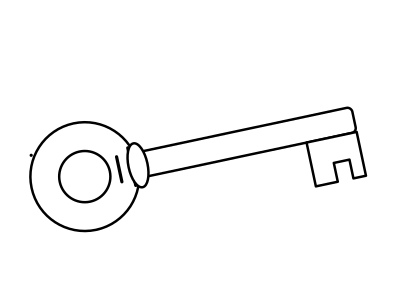
    How to give it: Read every question and choice aloud, and point to each picture as you name it. This week the check is a history-detective task with one source. Your child answers by talking, pointing, circling, acting it out or drawing; write their words exactly on the line. It is not timed; stop and finish later if your child is tired. Do not show the page ahead of time. For items 1 to 4, remind your child that the old key stands for any object you can hold, not only keys. For items 5 to 8, use one old object or photo your child has not studied before. If stuck, point to one part of the source and ask "What do you see right here?" Make a check mark next to each part your child shows on their own.

    Secure when: 6 of 8 correct, with at least one right on each goal

    • I can name different kinds of sources that tell about the past.
    • I can explain how a source helps us learn about the past.
    1. 1.
      A letter written long ago. Your child circles the kind of source.
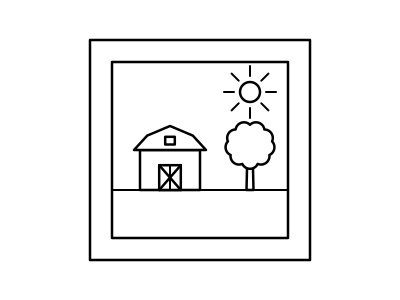
      • A framed photo.
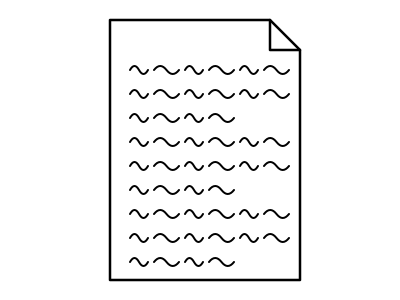
      • A page of writing.
      • An old key.
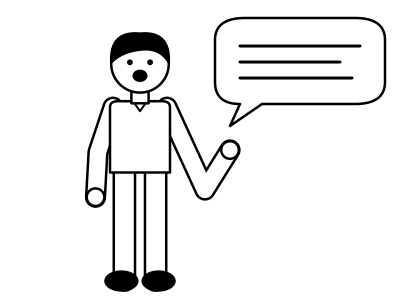
      • A person talking.
    2. 2.
      An old wooden toy train.
      • A framed photo.
      • A page of writing.
      • An old key.
      • A person talking.
    3. 3.
      Grandpa tells about his first day of school.
      • A framed photo.
      • A page of writing.
      • An old key.
      • A person talking.
    4. 4.
      A painting of a town long ago.
      • A framed photo.
      • A page of writing.
      • An old key.
      • A person talking.
    5. 5.
      Look closely at the source. Tell one thing you see.
    6. 6.
      Tell one thing you think about it. What clue helped you?
    7. 7.
      Ask one question that starts with "I wonder."
    8. 8.
      What does this source teach us about the past?