1First Grade

    Lesson + weekly check: adding ones

    Share and check: ou and ow

    Practice pages

    0 of 180 days complete · Saved on this device

    View all 180 days

    MathWeekly check

    Lesson + weekly check: adding ones

    I can add a one-digit number to a two-digit number.

    Standards: 1.NBT.C.4

    Number practice (no timer)
    Add ones to a two-digit number: just add the ones
    Builds on
    Days 1 to 4: adding ones to a two-digit number with the kit, quick pictures, small facts and stories. One-minute check: "54 + 3?" (57)

    New words

    • check: a short quiz that shows what you know

    You need

    • Tens and ones kit: 9 tens and 9 ones. Use straw bundles of 10 (a rubber band around each) and loose straws, base-ten rods and unit cubes, or paper ten-strips (strips of 10 squares, cut by an adult) with beans as ones
    • The stored Week 21 check and its answer key
    • Notebook and pencil
    • Beans and unit cubes are small parts: keep them away from children under 3.
    1. Warm-Up · 5 min

      Fluency: add ones to a two-digit number. "62 + 7?" (69) "30 + 9?" (39) Spaced review from Week 17: "Which is less, 59 or 61?" (59)

    2. Short Lesson: Review Game · 10 min

      Add the Ones Round. This is untimed. Say each problem. Your child answers in their head and tells the small fact that helped. Then check with a quick picture. 1) 41 + 5 (1 + 5 = 6; 46) 2) 63 + 6 (69) 3) 22 + 7 (29) 4) 50 + 9 (59) 5) 84 + 3 (87) 6) 36 + 2 (38) 7) 7 + 72 (79) 8) 15 + 4 (19) Give one point for each answer and one more point for each small fact. If stuck, say: "Draw it. Sticks for tens, dots for ones."

    3. Weekly Check · 15 min

      Give the stored Week 21 check. The printed check has 8 items. It covers these goals: (1) I can add a one-digit number to a two-digit number; (2) I can solve stories that add a one-digit number. Read each item aloud. There is no time limit. If your child is stuck, say only: "Draw the tens and the ones." Do not give the answer. Score it with the answer key. Secure: 7 or 8 of the 8 items right. If the check is secure, start Week 22. If it is not, first do the reteach step on the check page for each group of items missed, then start Week 22.

    4. Exit Ticket · 3-5 min

      After the check, ask these two questions. Then go over any missed check items together.

    Exit ticket

    1. 75 + 2 = ?
    2. A shelf has 81 books. 4 more books are added. How many books are on the shelf now?
    Answers
    1. 77
    2. 85
    Watch for, and help or stretch
    Watch for
    Putting the ones answer in the tens place, such as 41 + 5 = 61.
    Try
    Draw it. Ask: "Did the number of sticks change?" (No.) Then the tens digit stays 4.
    Extra help
    Let your child build each check problem with the kit, and note it on the check.
    Stretch
    After the check, ask: "Which numbers can you add to 34 without making a new ten?" (0 to 5)

    At home (optional): Your child shows a family member how to add ones with a quick picture.
    Reading & WritingWeekly check

    Share and check: ou and ow

    I can read ou and ow words and fix my reading when it doesn't make sense.

    Standards: RF.1.3.b, RF.1.4.c, RF.1.3.g

    Phonics
    Vowel sounds ou and ow (out, house, cow, down)
    Sight words
    way, people, than, first, water
    Reading
    "Who Has Seen the Wind?" by Christina Rossetti; "The Owl and the Pussy-cat" by Edward Lear (both public domain)
    Writing
    Poetry: a list poem and a feelings poem · Handwriting: poem in neat lines
    Builds on
    This week's ou and ow work and fixing reading that doesn't make sense. One-minute check: warm up with out, cow, cloud.

    New words

    • self-correct: to notice your own mistake and fix it

    You need

    • Word cards: ou and ow words (written in step 4)
    • A short passage with one tricky word (written in step 4)
    • 10 game cards (index cards): out, cow, house, down, loud, owl, ground, town, shout, crown
    • A paper plate for fanning
    • Sight word cards: way, people, than, first, water, time, look, more, write, number
    • Recording sheet
    • The list poem (from Day 4) and lined paper
    1. Review Game · 10 min

      Wind Blow: lay 10 cards on a table: out, cow, house, down, loud, owl, ground, town, shout, crown. Your child fans a paper plate like the wind; your child reads each card that moves. Read any card that did not move at the end. If stuck on a word during the game (not during the check), cover all but the first sound, say it together, then uncover the rest and blend.

    2. Sight Words · 5 min

      Review: way, people, than, first, water, time, look, more, write, number. Hop and Read: lay the cards on the floor; your child hops to the card you name and reads it.

    3. Weekly Check · 15 min

      The printed check has 10 items. It covers these goals: (1) I can read ou and ow words and fix my reading when it doesn't make sense; (2) I can find feeling words and tell look, peek and stare apart; (3) I can write a list with commas. In item 4, your child reads the short passage aloud; watch for one self-correction: when a word does not make sense, does your child stop and reread? Record each answer and any self-correction. Give no hints. Secure: 8 of 10 words in items 1-2, 4 of 5 sight words, one stop-and-reread in item 4 (or no errors), and 4 of 6 on items 5-10. For any part that is not yet secure, use the matching reteach step on the check page next week.

    4. Share & Listen · 10 min

      Your child reads the list poem to a listener, who says which wind action they liked best and why.

    5. Handwriting · 5 min

      Your child copies all four lines of "The Wind" in neat lines, with a capital at the start of each line. Circle the best line.

    6. Exit Ticket · 5 min

      Talk about the week.

    Exit ticket

    1. Read two words: one with ou and one with ow.
    2. What did you do this week when a word did not make sense?
    Answers
    1. Answers vary. Look for: correct reads such as mouth and down.
    2. Answers vary. Look for: stopping and rereading.
    Watch for, and help or stretch
    Watch for
    Guessing a word from its first letter in item 4 and reading on.
    Try
    Before the check (not during it), practice: "Look at the whole word. Does it make sense? Go back and reread."
    Extra help
    Give item 4 (the passage) in a separate sitting, after a stretch break.
    Stretch
    Your child reads "Out in the Wind" to you and makes one planned mistake for you to catch. Do not score it.

    At home (optional): Your child reads "The Wind" and the list poem to a family member.

    ScienceWeekly check

    Plant babies

    I can compare a young plant with a grown plant of the same kind.

    Standards: 1-LS3-1

    Builds on
    Alike, but not exactly (Day 3). One-minute check: ask "Are kittens in one litter all the same color?" (Not always. They can look different.)

    New words

    • seed: a small part of a plant that can grow into a new plant
    • seedling: a very young plant that just grew from a seed

    You need

    • 3 plastic cups (clear ones are best), each with 2 small holes poked in the bottom by a grown-up
    • Potting soil (enough to fill the 3 cups)
    • 6 dry beans (2 for each cup), from the same bag as the Bean Bag Garden
    • A plastic tray or a plastic plate to set the cups on
    • Water in a plastic cup
    • A marker and 3 pieces of tape for labels
    • A seed packet or a library book that shows a bean seedling and a grown bean plant
    • Bean Bag Garden from Day 1
    • Week 21 science check page (given separately)
    • Science Notebook
    1. Warm-Up / Wonder · 5 min

      Spaced review: ask: "Name one way a kitten can be different from its mother." (size, color, spots) Wonder question: "Do baby plants look like their parent plants?" Safety: dry beans and seeds are small enough to choke on. Keep them away from children under 3, and remind your child that science seeds are never for eating, or for putting in noses or ears. Wash hands after touching soil.

    2. Review Game · 10 min

      First, plant the bean cups. Your child fills each cup with soil up to about 1 finger-width from the top, pokes 2 holes as deep as the first bend of a finger, drops in 1 bean per hole and covers them. Water until the soil is damp, not soupy. Label the cups 1, 2 and 3 and set them on the tray in a warm, bright spot. Say: "Bean seedlings usually push up out of warm soil in about 7 to 10 days, so we will watch for them." Then check the Bean Bag Garden. Ask: "What do you see?" (Answers vary: the beans have swelled, and some may have a small white root.) Next, play "Young and Grown." Show the picture of the bean seedling and the picture of the grown bean plant. Ask: "What is the same?" (the green color, a stem with leaves, the kind of plant) Say: "Look closely. A bean seedling's first 2 leaves are each one single leaf. A grown bean plant's leaves grow in groups of 3. That is one way the young plant is not exactly like its parent." "What is different?" (The grown plant is much bigger, has many more leaves and may have flowers or bean pods.) Then try another pair in a book or on a seed packet, such as a tomato seedling and a grown tomato plant. If stuck, cover the grown plant with your hand and show just one of its leaves. Ask: "Is that leaf green like the seedling's leaves? Is it one leaf or a group of 3?"

    3. Check · 10 min

      Give the Week 21 science check. The check items are on the Week 21 check page; do not show them ahead of time. Read each part aloud. Your child answers by talking, pointing, showing with the real materials or drawing. You write down their words exactly. It is not timed; stop and finish later if your child is tired. Make a check mark next to each part your child shows on their own. The printed check has 8 items. It covers these goals: (1) I can match baby animals to their parents; (2) I can find ways a baby animal is different from its parent; (3) I can compare a young plant with a grown plant of the same kind. This week the check is a picture compare task with a new young plant and a grown plant of the same kind. Look for: one way the young plant is like the grown plant (the same leaf shape, the same kind of plant) and one way it is different (smaller, fewer leaves, no flowers or fruit yet). If stuck on a part, point to one leaf on each picture and ask: "Same shape or different shape?" Secure: 6 of 8 correct, including items 1 and 2 (one same and one different for the young and grown plant). If the check is not yet secure, use the reteach step on the check page that matches the items missed.

    4. Exit Ticket · 3–5 min

      Ask the three questions aloud. Your child answers by talking or drawing.

    Exit ticket

    1. A tiny oak tree sprout and a big oak tree: name one way they are alike.
    2. Name one way the oak sprout is different from the big oak tree.
    3. What do you think will grow from our bean seeds?
    Answers
    1. Answers vary. Look for: the same leaf shape, or they are both oak trees.
    2. Answers vary. Look for: it is much smaller, has a thin stem and only a few leaves, or has no acorns.
    3. Bean plants.
    Watch for, and help or stretch
    Watch for
    Over-watering until the soil is muddy.
    Try
    Teach the finger test: touch the top of the soil. Water only when it feels dry.
    Extra help
    Plant 1 cup together. Compare only the leaves on the two pictures.
    Stretch
    Your child draws a prediction in the Science Notebook of what cup 1 will look like next week.

    At home (optional): Each day, your child does the finger test on the bean cups and adds a little water if the soil is dry.

    Practice

    Read each direction aloud. Your child works on the page; answers are in the grown-up view.

    Warm-up

    Remember?

    Math

    1. What is 10 more than 85?
    2. On the hundred chart, what number comes right after 89?

    Reading & Writing

    1. I might fly my kite.

    Math · Week 21 check

    Weekly check

    How to give it: Read every item aloud, the stories twice. It is untimed. Your child may draw quick pictures. If your child is stuck, say only: "Draw the tens and the ones." Do not give the answer. There are 8 parts. 7 or 8 right: start Week 22. 5 or 6 right: redo Day 3 Guided Practice before Week 22. 4 or fewer right: redo Day 1 and Day 2 with the kit before Week 22.

    Secure when: 7 or 8 of the 8 items right.

    • I can add a one-digit number to a two-digit number.
    • I can solve stories that add a one-digit number.
    1. 1.
      24 + 5 = ____
    2. 2.
      81 + 8 = ____
    3. 3.
      6 + 43 = ____
    4. 4.
      35 + 4 = ____
    5. 5.
      90 + 7 = ____
    6. 6.
      12 + 7 = ____
    7. 7.
      A tray has 61 cookies. Dad bakes 8 more. How many cookies are there now?
    8. 8.
      There are 4 ducks and 52 geese at the lake. How many birds are there in all?

    Reading & Writing · Week 21 check

    Weekly check

    How to give it: Give it in one sitting, untimed. Read each direction aloud. For items 1-3, your child reads each word aloud and you tick the ones read right; give no hints. For item 4, your child reads The Clown in Town aloud; note any stop-and-reread. For item 6, say: Circle the feeling word that makes sense. For item 7, say: Does this make sense? For item 8, say: Is a peek a quick look or a long look? For item 9, say: Put in the commas. For item 10, say the word mouth twice.

    Secure when: 8 of 10 words in items 1-2, 4 of 5 sight words, one stop-and-reread in item 4 (or no errors), and 4 of 6 on items 5-10.

    • I can read ou and ow words and fix my reading when it doesn't make sense.
    • I can find feeling words and tell look, peek and stare apart.
    • I can write a list with commas.

    The Clown in Town

    A clown came to town. He had a big brown crown. The crowd let out a shout. The clown sat down on a couch. Then he did a flip!

    1. 1.
      hound slouch mound pout jowl
    2. 2.
      grouch drown bound pounds vow
    3. 3.
      way people than first water
    4. 4.
      The Clown in Town
    5. 5.
      What did the clown sit on?
      • a couch
      • a cow
      • a cloud
    6. 6.
      Kim is ____ of her crown.
      • proud
      • loud
    7. 7.
      The crown sat down and did a flip.
      • yes
      • no
    8. 8.
      I peek at Mom from the couch.
      • quick
      • long
    9. 9.
      I can sit jump and shout.
    10. 10.
      Spell it: ____

    Science · Week 21 check

    Weekly check

    How to give it: Read every direction, question and choice aloud. It is not timed; stop and finish later if your child is tired. Your child answers by talking, pointing, showing with the real materials or drawing, and you write their words exactly. Use the check page pictures (a new young and grown plant pair). Wash hands after touching soil or seeds; seeds are a choking hazard for children under 3.

    Secure when: 6 of 8 correct, including items 1 and 2 (one same and one different for the young and grown plant).

    • I can match baby animals to their parents.
    • I can find ways a baby animal is different from its parent.
    • I can compare a young plant with a grown plant of the same kind.
    1. 1.
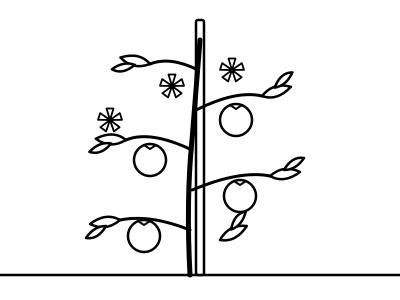
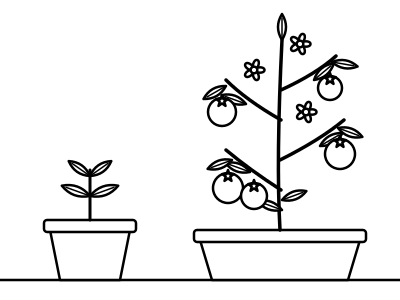
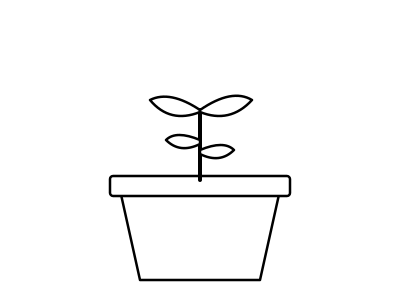
      A small tomato seedling with 4 leaves, and a big tomato plant with many leaves, yellow flowers and red tomatoes. Tell one way the young plant is like the grown plant. Your grown-up writes it.
    2. 2.
      Look at the same picture. Tell one way the young plant is different. Your grown-up writes it.
    3. 3.
      Circle the plant that has flowers and fruit.
      • The tomato seedling.
      • The big tomato plant.
    4. 4.
      Is the seedling the same kind of plant as the grown plant?
      • yes
      • no
    5. 5.
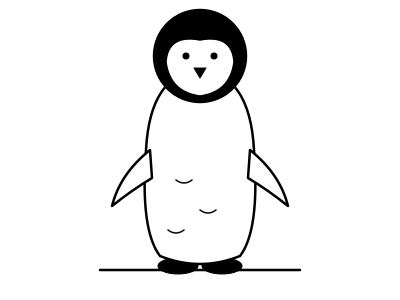
      A penguin chick. Circle its parent.
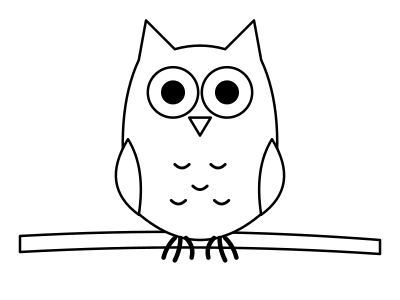
      • An owl.
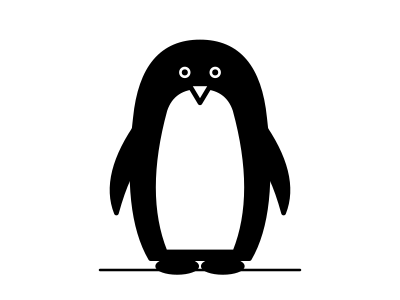
      • A penguin.
    6. 6.
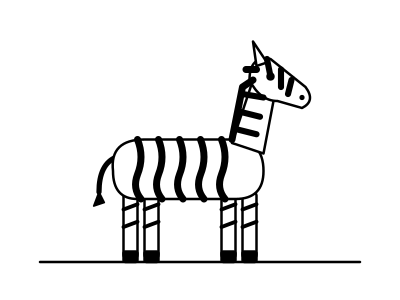
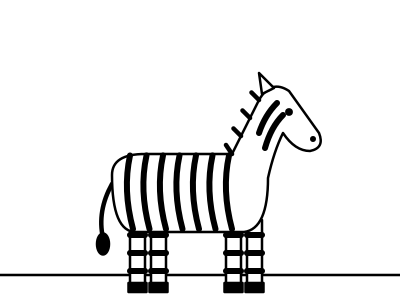
      A baby zebra with stripes. Circle what it will grow up to be.
      • A zebra.
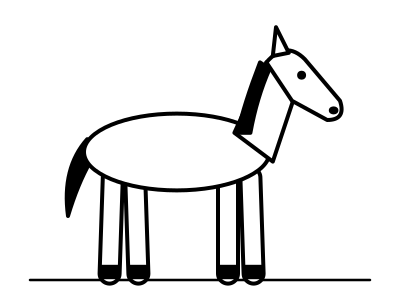
      • A horse.
    7. 7.
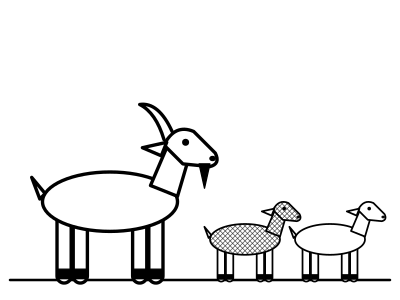
      A mother goat with 2 kids: one brown, one white. Are both kids goats?
      • yes
      • no
    8. 8.
      Tell one way the 2 goat kids are different from each other. Your grown-up writes it.