1First Grade

    Building with solid shapes

    Final copy

    Practice pages

    0 of 180 days complete · Saved on this device

    View all 180 days

    Math

    Building with solid shapes

    I can put solid shapes together to make a new solid.

    Standards: 1.G.A.2

    Number practice (no timer)
    Doubles with pattern blocks (keep-up practice)
    Builds on
    Days 1 to 3 (composing flat shapes). One-minute check: "What flat shape do 2 squares side by side make?" (A rectangle)

    New words

    • solid shape: a shape you can hold that is not flat, like a block or a can
    • cube: a solid shape like a toy block; every flat side is a square
    • box shape: a solid shape like a cereal box; its flat sides are rectangles
    • cylinder: a solid shape like a can, with 2 flat circle ends and a curved side
    • cone: a solid shape like a party hat, with a circle at one end and a point at the other

    You need

    • At least 8 toy building blocks that are cubes, all the same size (about 1 inch or bigger)
    • 3 boxes: a cereal box, a tissue box and one other cardboard box
    • 2 cylinders: an unopened metal soup can and a cardboard oatmeal canister or paper towel tube
    • 2 cones: a paper party hat and a paper cone an adult rolls and tapes
    • Notebook and pencil
    • Cubes are small parts: keep them away from children under 3.
    1. Warm-Up · 5 min

      Fluency: doubles with shape pieces. Stack 3 cubes and 3 more. "3 + 3?" (6) "4 + 4?" (8) "9 + 9?" (18) Spaced review from Week 27: "What time is it when the short hand is on 5 and the long hand is on 12?" (5:00)

    2. Mini-Lesson · 10 min

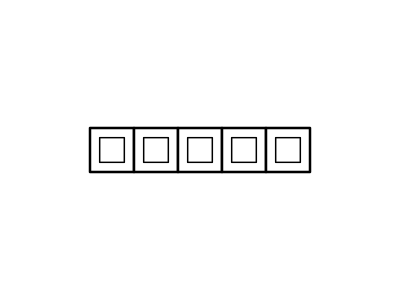
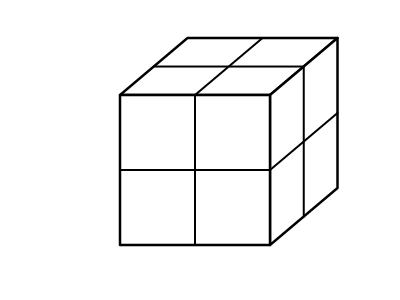
      Hold up each solid and name it with your child: cube (a block), box shape (the cereal box), cylinder (the can), cone (the party hat). Say: "We can put solid shapes together too." Stack 2 cubes. Ask: "What shape is it now?" (A box shape, like a tall box) Build 2 layers of 4 cubes. Ask: "What shape now?" (A bigger cube) Put the cone on top of the oatmeal canister. Ask: "What did we make?" (A rocket or a tower) Say: "I used a cylinder and a cone."

    3. Guided Practice · 10 min

      Build and Name. Take each build apart before the next. Your child builds it and says: "I used ___ and ___ to make ___." 1) Put 3 cubes in a row. (A long box shape) 2) Make a bigger cube from 8 cubes. (2 layers of 4) 3) Stand a cylinder on top of a box. (A tower: a box and a cylinder) 4) Put a cone on a cylinder. (A rocket or a castle tower: a cylinder and a cone) If stuck, say: "Name each solid you are using first. Then name what they make together."

    4. Play · 10 min

      Build a Town. Your child builds 2 long box shapes of 3 cubes each, then puts them side by side. Ask: "What shape did your 2 box shapes make?" (A wider box shape) Then your child builds a small town with all the solids: a tower, a house, a rocket. For each building, you write the list of solids used as your child tells you. Answers vary.

    5. Exit Ticket · 3-5 min

      Put the objects to one side but leave them on the table. Read each question aloud. Your child answers out loud, with objects or with a quick drawing. Check each answer together right away.

    Exit ticket

    1. What solid shape is a can of soup?
    2. I put 4 cubes in a row. What shape did I make?
    3. Can you make a taller cylinder by stacking 2 same-size cans end to end?
    Answers
    1. A cylinder
    2. A long box shape
    3. Yes
    Watch for, and help or stretch
    Watch for
    Calling a cube a "square" or a can a "circle."
    Try
    Say: "A square is flat, like paper. A cube is solid, like a block. Its flat sides are squares." Press a block onto paper and trace a side.
    Extra help
    Use only cubes and boxes today. Name each one before stacking.
    Stretch
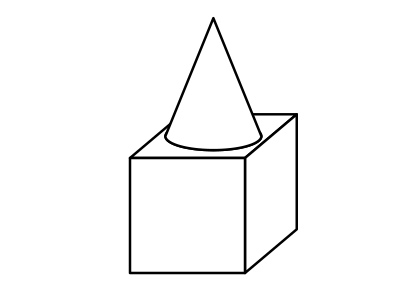
    Ask: "Can you stack a cone on a cube so it stays? Can you stack a cube on a cone?" (A cone can sit on a cube; a cube will not stay on the point of a cone.) "Why?" (The cone has a point on top, not a flat side.)

    At home (optional): Your child finds a cube, a box shape, a cylinder and a cone at home and shows a family member how to stack 2 of them.
    Reading & Writing

    Final copy

    I can make a neat final copy with correct spelling.

    Standards: L.1.2.d, L.1.2, L.1.1.a

    Phonics
    y as long e at the end of two-syllable words (happy, puppy, sleepy), with cumulative review: final e and vowel teams
    Sight words
    such, why, went, read, need
    Reading
    Goldilocks and the Three Bears and The Three Little Pigs (traditional, public domain; our own retellings); original decodable "Jade and the Three Goats"
    Writing
    Showcase: revise with peer and adult suggestions · Handwriting: neat final copy
    Builds on
    Revising with a suggestion (Day 3). One-minute check: your child shows the change they made.

    New words

    • final copy: the last, neat copy of a piece of writing
    • conventional spelling: the way a word is spelled in books

    You need

    • The revised best piece
    • Good paper: two clean sheets of lined paper
    • All this year's sight word cards in a bag (for checking spellings)
    • A checklist card you write: Capital at the start. Period, question mark or exclamation mark at the end. Sight words spelled right. Finger spaces.
    • Sight word cards: such, why, went, read, need
    • Printed "Jade and the Three Goats" (from Day 2)
    1. Phonics & Word Work · 15 min

      Spelling patterns we know. I do: say cake and spell it aloud: "/k/ /ay/ /k/: c-a-k-e. When long a is followed by a consonant sound at the end of a short word, it is often a_e." Say rain: "Long a in the middle can be ai." Say play: "Long a at the very end is often ay." Say sunny: "Long e at the end of a two-part word is often y: sun | ny." We do: spell tray, trail and bunny together. You do: your child spells these from your dictation, then checks with you: stone, green, boat, light, cute, handy. Fix any mistake by saying the sounds again. Read: "Jade made a cake for the goats." "The cake was yummy." If stuck, ask: "Where is the long sound: in the middle or at the end? Which spellings do we know for it?"

    2. Sight Words · 5 min

      Review: such, why, went, read, need. Write and Check: say each word; your child writes it, then turns the card over to check.

    3. Read-Aloud & Shared Reading · 15 min

      Your child reads "Jade and the Three Goats" with expression. Ask: "How is Jade's choice at the end different from Goldilocks's choice?" (Jade stayed and told the goats what she did and that it was not right; Goldilocks ran away.) Ask: "Which ending do you like better? Why?" (Answers vary. Look for: a choice and a reason.) Then say: "Authors check their writing before they share it." Read the best piece aloud together slowly, one sentence at a time. If stuck, point to each word as you read.

    4. Writing & Handwriting · 15 min

      Final copy. Your child copies the revised piece onto good paper, including the new details and the change. Then you read the checklist card aloud, one line at a time, and your child checks for each: a capital at the start of each sentence and for names (L.1.1.a, L.1.2); an end mark; finger spaces; and sight words spelled right. For any sight word your child is not sure of, find the card in the bag and check (L.1.2.d). Handwriting (4 min, built in): your child forms each letter carefully, uppercase and lowercase in the right places. Circle the three best words.

    5. Exit Ticket · 5 min

      Oral answers.

    Exit ticket

    1. Show me one word you checked with a sight word card.
    2. Spell this word aloud: puffy.
    3. What goes at the start and the end of every sentence?
    Answers
    1. Answers vary. Look for: a real sight word from the piece, spelled right.
    2. p-u-f-f-y
    3. A capital at the start, and a period, question mark or exclamation mark at the end.
    Watch for, and help or stretch
    Watch for
    Copying old mistakes into the final copy.
    Try
    Before copying each sentence, your child reads it aloud and checks it against the checklist.
    Extra help
    Copy the final piece over two sittings (half today, half on Day 5).
    Stretch
    Your child adds a title page with the title, "by" and their name, and a picture.

    At home (optional): Your child reads the final copy to a family member and points out one fix they made.

    ScienceWeekly check

    Sketch two designs

    I can sketch two designs and show how their shapes help.

    Standards: K-2-ETS1-2

    Builds on
    Shape matters (Day 2). One-minute check: ask "Which paper shape held more pennies?" (Answers vary. Look for: the shape with the bigger number.) "What makes a test fair?" (Only one thing changes.)

    New words

    • sketch: a quick drawing that shows an idea
    • label: a word that names a part of a drawing
    • base: the bottom part that something stands on

    You need

    • Engineering Journal with the problem sentence
    • A household object with a wide base (a lamp, a plastic water bottle, a table) and one with a narrow base (a paper towel tube standing on end)
    • Pencil and crayons
    • Week 32 science check page (given separately)
    1. Warm-Up / Wonder · 5 min

      Spaced review: ask: "Name one shape that made the paper stronger." (Answers vary: folds.) Wonder question: "What shape would keep a crayon holder from tipping over?"

    2. Review Game · 10 min

      Play "Shape Spotting." Stand the paper towel tube on end and give it a tiny tap. Then tap a half-full plastic water bottle the same way (do not tap a lamp). Ask: "Which one tipped more easily?" (the tube) "Why?" (Its base is narrow; the other base is wide.) Walk around and find 3 shapes that help things work: a wide base on a lamp (keeps it from tipping), a handle on a cup (easy to hold), tall sides on a laundry basket (keeps things in). For each, your child says: "The ___ shape helps it ___." Then show how to sketch: draw a simple box shape, add an arrow and a label ("wide base"). Say: "A sketch is not art. It shows the shape and how it helps." If stuck naming how a shape helps, ask: "What would happen if this part were missing?"

    3. Check · 10 min

      Give the Week 32 science check. The check items are on the Week 32 check page; do not show them ahead of time. Read each part aloud. Your child answers by talking, pointing, showing with the real materials or drawing. You write down their words exactly. It is not timed; stop and finish later if your child is tired. Make a check mark next to each part your child shows on their own. The printed check has 7 items. It covers these goals: (1) I can test whether the shape of paper changes how much weight it holds; (2) I can sketch two designs and show how their shapes help. This week the check is a sketching task. Look for: your child draws two different designs for the chosen problem, labels at least one shape on each (such as wide base, tall sides, heavy bottom, folds), and tells how each shape helps the design meet the goal. The two designs must differ in shape, not only in color. If stuck on a part, ask: "What should it stand on? What should hold the crayons in?" and let your child add one part at a time. Secure: 5 of 7 correct, including items 1 and 2 (two sketches that differ in shape, each labeled) and item 3 or 4 (how a shape helps). If the check is not yet secure, use the reteach step on the check page that matches the items missed.

    4. Exit Ticket · 3–5 min

      Ask the three questions aloud. Your child answers by talking or drawing.

    Exit ticket

    1. Why does a traffic cone have a wide bottom?
    2. What is a sketch for?
    3. Point to one label on your sketch. How does that shape help?
    Answers
    1. So it does not tip over.
    2. To show an idea and its shape before you build it.
    3. Answers vary. Look for: a labeled shape and a reason, such as "The wide base keeps it from tipping."
    Watch for, and help or stretch
    Watch for
    Two sketches that are the same shape with different colors.
    Try
    Ask: "How is the shape of Design B different from Design A?" Suggest one change: wider, taller, heavier at the bottom, or a different base.
    Extra help
    Your child sketches one design today and the second one tomorrow, and tells you the labels to write.
    Stretch
    Your child adds a materials list next to each sketch (for example, 1 cup, 1 cardboard square, clay).

    At home (optional): Your child shows both sketches to a family member and asks which one they think will work better, and why.

    Practice

    Read each direction aloud. Your child works on the page; answers are in the grown-up view.

    Warm-up

    Remember?

    Math

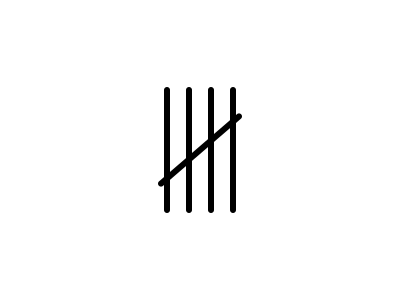
    1. Tally marks: one bundle of 5. How many does this tally show?
    2. What number goes in the blank? ___ + 3 = 12

    Reading & Writing

    1. moon, hook, stool

    Math · Week 32 Day 4

    I can put solid shapes together to make a new solid.

    Look: a cone on a cylinder

    1. A cylinder is shaped like a can. A cone is shaped like a party hat.
    2. Put the cone on top of the cylinder.
    3. The new solid looks like a rocket. It is made of a cylinder and a cone.

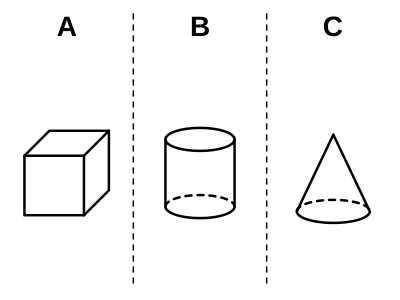
    Circle the solid shape: A is a cube, B is a cylinder and C is a cone. Picture A: a cube; picture B: a cylinder; picture C: a cone.

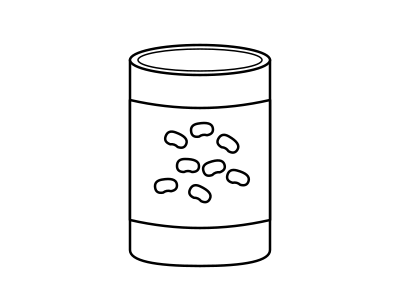
    1. 1.
      A can of beans.
      • A
      • B
      • C
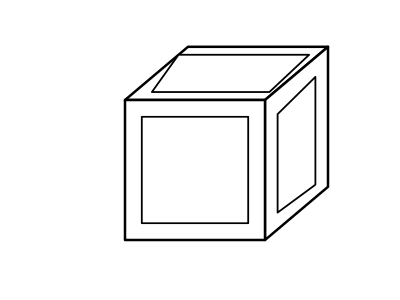
    2. 2.
      A toy block shaped like a cube, with all faces square.
      • A
      • B
      • C
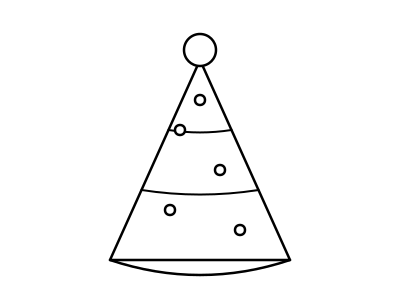
    3. 3.
      A party hat.
      • A
      • B
      • C

    Answer about each build.

    1. 4.
      5 cubes in a row. How many cubes? ____
    2. 5.
      A bigger cube made of 2 layers, each 2 cubes by 2 cubes. How many cubes in all? ____
    3. 6.
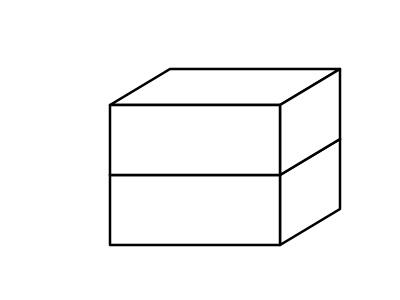
      2 same-size box shapes, like 2 bricks, stacked one on top of the other. Is the new shape a box shape?
      • yes
      • no
    4. 7.
      A cone on top of a cube. Did they make a new solid shape?
      • yes
      • no

    Challenge (optional)

    How many cubes would you need to make a box shape that is 2 cubes long, 2 cubes wide and 3 cubes tall?

    You need: Pencil

    Reading & Writing · Week 32 Day 4

    I can make a neat final copy with correct spelling.

    Look: a neat final copy

    1. Check for a capital at the start and for names.
    2. Check for an end mark: a period, a question mark or an exclamation point.
    3. Check that each sight word matches its card.

    The Cake

    Gram made a cake. She put it on a big plate. We ate it on the deck. Yum!

    Write the word I say.

    1. 1.
      ____
    2. 2.
      ____
    3. 3.
      ____
    4. 4.
      ____

    Fix it. Write the line with capitals and an end mark.

    1. 5.
      jade went up the hill
    2. 6.
      why is it wet
    3. 7.
      max and kim rode the bus

    Read the line. Circle the word that fits.

    1. 8.
      The pup is wet and ____.
      • muddy
      • fly
    2. 9.
      We had a ____ day at the beach.
      • sunny
      • sky
    3. 10.
      My kitten is so ____.
      • fluffy
      • try

    Challenge (optional)

    ____ went to the lake.

    Science · Week 32 check

    Weekly check

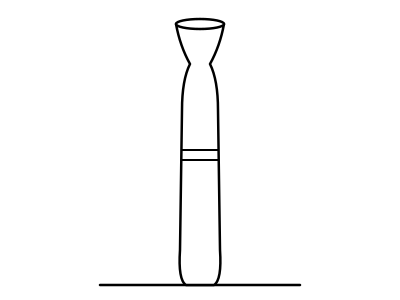
    How to give it: Read every direction, question and choice aloud. It is not timed; stop and finish later if your child is tired. Your child answers by talking, pointing, showing with the real materials or drawing, and you write their words exactly. Have the Engineering Journal with the problem sentence, a pencil and crayons. The two designs must differ in shape, not only in color. Pennies are a choking hazard for children under 3.

    Secure when: 5 of 7 correct, including items 1 and 2 (two sketches that differ in shape, each labeled) and item 3 or 4 (how a shape helps).

    • I can test whether the shape of paper changes how much weight it holds.
    • I can sketch two designs and show how their shapes help.
    1. 1.
      Sketch Design A for your problem. Label one shape.
    2. 2.
      Sketch Design B with a different shape. Label one shape.
    3. 3.
      Tell how a shape on Design A helps it meet the goal. Your grown-up writes it.
    4. 4.
      Tell how a shape on Design B helps it meet the goal. Your grown-up writes it.
    5. 5.
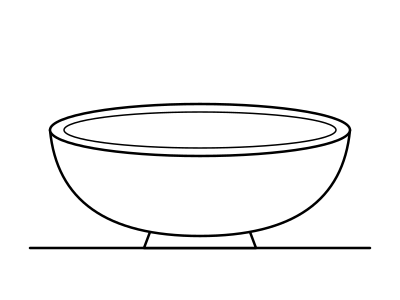
      Circle the one that will tip over more easily.
      • A tall, thin vase.
      • A short, wide bowl.
    6. 6.
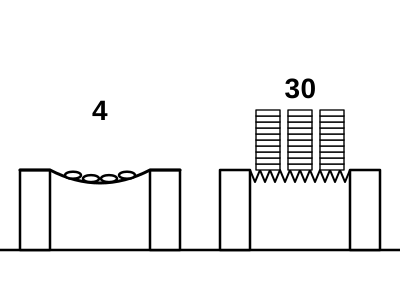
      A paper bridge test: the flat paper held 4 pennies, the folded paper held 30. Did the shape change how strong the paper was?
      • yes
      • no
    7. 7.
      Is it a fair test if the folded paper gets a wider gap than the flat paper?
      • yes
      • no