Math
Count back or count up?
I can choose to count back or count up to subtract.
Standards: 1.OA.C.6, 1.OA.C.5, 1.OA.B.4
- Number practice (no timer)
- Think addition to subtract
- Builds on
- Week 7 counting back (15 - 3) and Day 1 think addition. One-minute check: "Count back 2 from 14." (13, 12)
New words
- count back: start at the bigger number and count down to take away
- count up: start at the number you take away and count up to the bigger number; the number of counts is the answer
You need
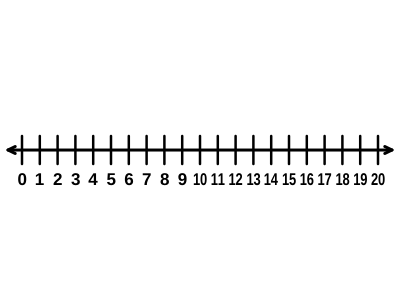
- Number line 0 to 20 drawn on a long strip of paper
- A small toy or button to hop along the number line
- 12 fact cards made from paper squares (written in the Play below)
- Two paper labels: Count Back and Count Up
- Notebook and pencil
Warm-Up · 5 min
Fluency: think addition. "9 + 5 = 14, so 14 - 9 = ?" (5) "7 + 6 = 13, so 13 - 6 = ?" (7) Spaced review from Week 3: "Ana has 9 grapes. Sam has 6 grapes. How many more grapes does Ana have?" (3)
Mini-Lesson · 10 min
Say: "There are two ways to move on the number line to take away. Today you learn to choose." Write 16 - 3. Put the toy on 16. Say: "Count back 3." Hop the toy one space at a time while your child counts: "15, 14, 13." Say: "16 - 3 = 13. That was only 3 hops." Now write 16 - 13. Ask: "Should we hop back 13 times?" (No. That is a lot.) Say: "13 and 16 are close together. Let us count up from 13 to 16." Put the toy on 13 and hop forward while your child counts and holds up a finger for each hop: "14, 15, 16." Ask: "How many hops?" (3) Say: "16 - 13 = 3. Counting up is thinking addition: 13 + 3 = 16." Say the rule together: "Taking away a small number like 1, 2 or 3? Count back. Taking away a number close to the big number? Count up."
Guided Practice · 10 min
For each fact, your child first says "back" or "up" and why, then hops on the number line. 1) 17 - 2 (back: 16, 15; 15) 2) 17 - 15 (up: 16, 17; 2) 3) 13 - 11 (up: 12, 13; 2) 4) 14 - 3 (back: 13, 12, 11; 11) 5) 19 - 16 (up: 17, 18, 19; 3) 6) 20 - 1 (back: 19; 19) If stuck, say: "Point to both numbers on the number line. Are they far apart or close together? If they are close, count up."
Play · 10 min
Back or Up Sort. Write these 12 cards: 18 - 2, 12 - 10, 16 - 3, 14 - 12, 11 - 9, 20 - 1, 13 - 2, 18 - 16, 15 - 13, 19 - 3, 17 - 14, 12 - 1. Shuffle them face down. Take turns. Draw a card, put it under Count Back or Count Up, and solve it out loud. The other player checks on the number line. Answers: 18 - 2 = 16, 12 - 10 = 2, 16 - 3 = 13, 14 - 12 = 2, 11 - 9 = 2, 20 - 1 = 19, 13 - 2 = 11, 18 - 16 = 2, 15 - 13 = 2, 19 - 3 = 16, 17 - 14 = 3, 12 - 1 = 11. Accept either pile when the answer is right and the reason makes sense. Ask at the end: "What do you notice about the Count Up pile?" (The two numbers are close together, so the answers are small.)
Exit Ticket · 3-5 min
Put the objects to one side but leave them on the table. Read each question aloud. Your child answers out loud, with objects or with a quick drawing. Check each answer together right away.
Exit ticket
- Solve 16 - 14. Did you count back or count up?
- Solve 13 - 2.
- Why is counting up a good way to solve 18 - 15?
Answers
- 2; count up (15, 16)
- 11 (count back: 12, 11)
- Answers vary. Look for: 15 and 18 are close, so it is only 3 counts, or 15 + 3 = 18.
Watch for, and help or stretch
- Watch for
- Counting the start number when counting back, such as "16, 15, 14" for 16 - 3 and answering 14.
- Try
- Put the toy on the start number and say it in a whisper. Every number said out loud must be a hop.
- Extra help
- Keep all numbers at 12 or less, and hop the toy for every fact while you count together.
- Stretch
- Try 20 - 17 (3) and 20 - 3 (17). Your child explains why the answers are partners of 20.
At home (optional): A family member says a take-away fact with numbers up to 20, such as 15 - 14 or 15 - 2. Your child says "back" or "up" and solves it. Do 4 facts.
 19 - 2 = ___
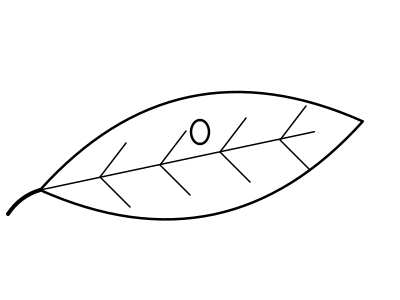
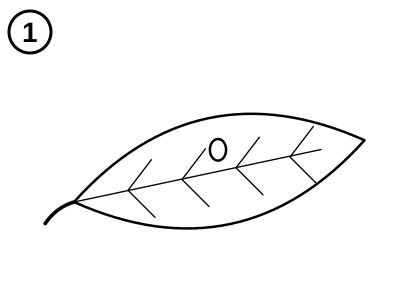 It is on a plant.
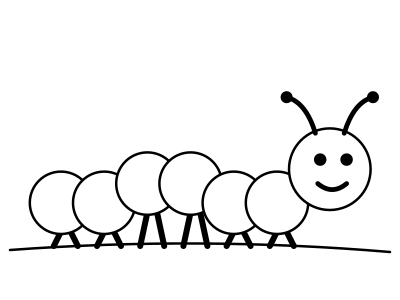
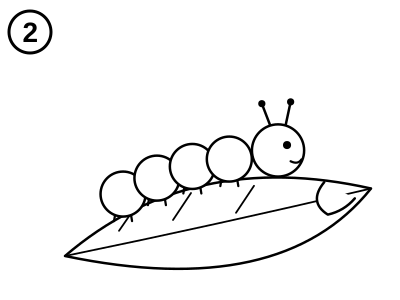 It can bite and bite. It is big.
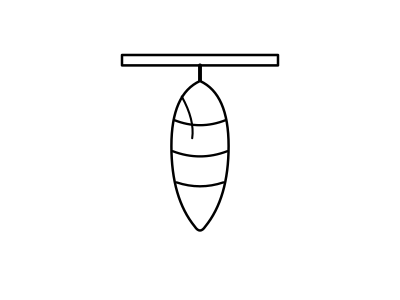
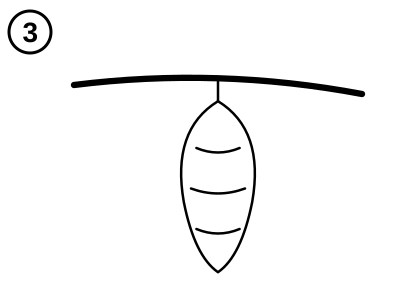 It can hide in a case.
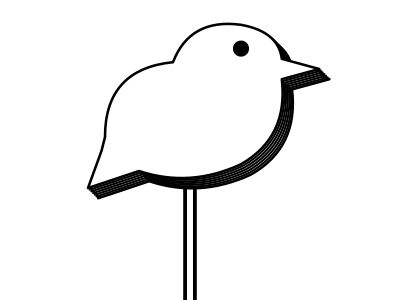
 It can fly!

 cardboard
 wax paper
 plastic wrap