1First Grade

    Subtract by thinking addition

    Pictures and words both teach

    Practice pages

    0 of 180 days complete · Saved on this device

    View all 180 days

    Math

    Subtract by thinking addition

    I can use an adding fact to subtract.

    Standards: 1.OA.C.6, 1.OA.B.4, 1.OA.D.8

    Number practice (no timer)
    Think addition to subtract
    Builds on
    Week 2 fact families and Week 4 think addition within 10 (10 - 8 is 8 + ? = 10). One-minute check: "If 6 + 4 = 10, what is 10 - 6?" (4)

    New words

    • think addition: solve a take-away fact by thinking of the adding fact that goes with it
    • whole: the biggest number in a number bond; the two parts make it

    You need

    • 20 counters (dried beans or buttons)
    • Two ten frames drawn on paper (each 2 rows of 5 boxes)
    • 8 number bond cards: paper squares, each with a big circle (the whole) joined to two small circles (the parts)
    • A cup
    • Notebook and pencil
    1. Warm-Up · 5 min

      Fluency: think addition. Ask: "7 + 3 = 10, so 10 - 7 = ?" (3) "6 + 3 = 9, so 9 - 6 = ?" (3) Spaced review from Week 9: "8 + 4: make a ten." (8 + 2 = 10, 10 + 2 = 12) Leave 8 + 4 = 12 written in the notebook. You will use it in a minute.

    2. Mini-Lesson · 10 min

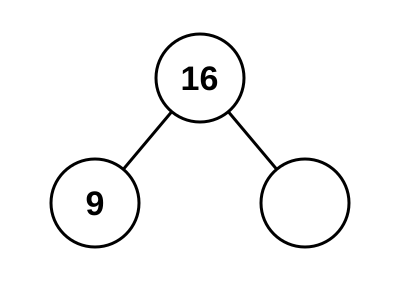
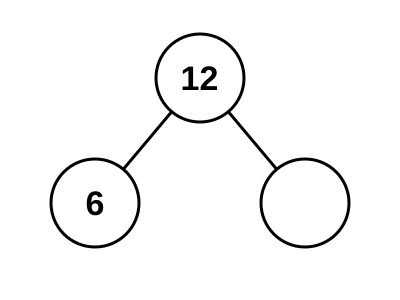
      Say: "You just told me 8 + 4 = 12. Today we use an adding fact like that one to take away." Draw a number bond on a card: 12 in the whole circle, 8 and 4 in the part circles. Ask: "What is the whole?" (12) "What are the parts?" (8 and 4) Write 12 - 8 = ?. Say: "12 take away 8. The whole is 12. One part is 8. The take-away answer is the other part. Think: 8 and what make 12?" (4) Say: "8 + 4 = 12, so 12 - 8 = 4." Write it: 12 - 8 = 4 because 8 + 4 = 12. Now a new one: write 13 - 8 = ?. Draw a bond with 13 as the whole, 8 as one part and an empty part. Put 8 counters on the first ten frame. Say: "8 and what make 13?" Add counters one at a time while your child counts: 2 more fill the frame (10), then 3 more on the second frame (13). Ask: "How many did we add?" (5) Say: "8 + 5 = 13, so 13 - 8 = 5." Say: "When you take away a big number like 8 or 9, thinking addition is much faster than counting back 8 times."

    3. Guided Practice · 10 min

      Your child draws or fills a number bond card for each fact, then says the adding fact and the take-away fact. 1) 11 - 9 (2; because 9 + 2 = 11) 2) 14 - 8 (6; because 8 + 6 = 14) 3) 15 - 9 (6; because 9 + 6 = 15) 4) 16 - 8 (8; because 8 + 8 = 16. A double!) 5) 12 - 7 (5; because 7 + 5 = 12) If stuck, say: "Put the part you know on the ten frame. Fill the frame, then keep going to the whole. How many did you add?"

    4. Play · 10 min

      Hide the Part. Count out a whole from 11 to 18 together, such as 12 counters, and say the whole out loud. Your child closes their eyes. You hide some counters under the cup and leave the rest showing. Leave 7, 8 or 9 counters showing, so the showing part is big and your child thinks addition from it. Your child counts the counters showing (for example, 8) and says: "8 + ? = 12. 8 + 4 = 12, so 4 are hiding. 12 - 8 = 4." Lift the cup to check. Play 6 rounds, then trade roles so your child hides and you solve. Use these wholes: 12, 14, 11, 15, 13, 16.

    5. Exit Ticket · 3-5 min

      Put the objects to one side but leave them on the table. Read each question aloud. Your child answers out loud, with objects or with a quick drawing. Check each answer together right away.

    Exit ticket

    1. 13 - 9 = ? What adding fact helps?
    2. Finish this: 14 - 9 = ? because 9 + ? = 14.
    3. Solve 15 - 7.
    Answers
    1. 4, because 9 + 4 = 13
    2. 5 and 5 (14 - 9 = 5 because 9 + 5 = 14)
    3. 8 (because 7 + 8 = 15)
    Watch for, and help or stretch
    Watch for
    Subtracting the wrong way ("8 take away 12") or adding the two numbers (12 + 8 = 20).
    Try
    Point to the number bond. Ask: "Is 12 the whole or a part?" (The whole.) "The answer is the missing part, so it must be smaller than 12."
    Extra help
    Keep the wholes at 11 and 12. Your child builds the known part on the ten frames every time and counts on to the whole.
    Stretch
    Try 17 - 9 and 18 - 9 (8 and 9). Then write the whole fact family for 9, 8 and 17.

    At home (optional): Write 3 number bonds on scrap paper: 12 (8 and 4), 13 (9 and 4), 15 (8 and 7). For each one, your child says one adding fact and one take-away fact, such as 8 + 7 = 15 and 15 - 8 = 7.
    Reading & Writing

    Pictures and words both teach

    I can tell what I learned from the pictures and what I learned from the words.

    Standards: RI.1.6, RF.1.3.c, RF.1.2.a

    Phonics
    Long i with final e (i_e: bike, time, slide); short i vs. long i
    Sight words
    his, her, him, has, had
    Reading
    From Caterpillar to Butterfly (Deborah Heiligman)
    Writing
    Informational: adding a picture with a label or caption to each fact page · Handwriting: capitals U, J, K
    Builds on
    Using picture clues in stories (Unit 1) and a_e (Week 9). One-minute check: your child reads cap and cape and tells which one has the silent e. (cape)

    New words

    • illustration: a picture in a book that helps tell or teach
    • caption: a few words under a picture that tell about it
    • life cycle: the stages a living thing goes through as it grows

    You need

    • From Caterpillar to Butterfly (Deborah Heiligman; illustrated by Bari Weissman), optional read-aloud; any picture book about the butterfly life cycle works, or use "From Egg to Butterfly" in the lesson
    • Two-column chart on paper: Pictures / Words
    • i_e word cards and a sticky note with the letter e
    • Sight word cards: his, her, him, has, had
    • Printed "Mike and the White Kite" (in the lesson)
    • Lined handwriting paper
    1. Phonics & Word Work · 15 min

      I do: write kit. Read it: /k/ /i/ /t/. Stick the e on the end: kite. Say: "The e at the end is silent, but it makes the i say its name, /ī/." Do the same with pin, pine. We do: read pairs together, moving the e on and off: rip, ripe; hid, hide; slid, slide; Tim, time. You do: your child reads bike, time, slide, kite, ride, five, nine, smile. Read: "Mike can ride a bike." "It is time to slide." Dictation: bike, time, kite, hide. If stuck, have your child look at the end of the word first: "Is there an e? Then the i says its name."

    2. Sight Words · 5 min

      Introduce this week's words with see-say-spell-write. For each card: Say: "This word is ___. Say it with me." Your child reads it, spells it aloud while tapping each letter, then writes it once while saying each letter, and reads it again. Draw a small heart over any tricky part, the part we must learn by heart: his (i is short, as you know, but the s says /z/); her (h says /h/, as you know; er says /er/, a sound we learn later); him (every sound is one you know: /h/ /i/ /m/; we also learn it by sight because we read it so often); has (a is short, as you know, but the s says /z/); had (every sound is one you know: /h/ /a/ /d/). Finish by reading all five cards in mixed order twice. If stuck, cover the tricky part, read the rest together, then uncover it and say the whole word.

    3. Read-Aloud & Shared Reading · 15 min

      Read the butterfly book, or read "From Egg to Butterfly" below while you show or sketch a simple picture for each page. Make the chart together. Say: "Some things we learn from the pictures. Some things only the words tell us." Ask: "What did a picture show you that the words did not say?" (Answers vary. Look for: how something looks, such as the colors or stripes on the caterpillar, or the shape of the chrysalis.) Ask: "What did the words tell you that a picture could not show?" (Answers vary. Look for: a name or a reason, such as the case is called a chrysalis, or the body changes inside.) Ask: "What does the caterpillar eat?" (leaves) Write one answer in each column. From Egg to Butterfly (an original information text; you read it aloud) Page 1, Egg: A butterfly lays a tiny egg on a leaf. Page 2, Caterpillar: A caterpillar hatches from the egg. It eats and eats leaves. As it grows, it sheds its skin a few times. Page 3, Chrysalis: The caterpillar makes a chrysalis, a hard case around its body. Inside, its body changes. Page 4, Butterfly: A butterfly comes out. It waits for its wings to dry, then it flies away. Later it lays eggs, and the cycle starts again. Then echo-read this week's decodable story: you read a line, your child reads it back. Mike and the White Kite Mike had a white kite. Dad gave it to him. Mike and his sis, Kim, went to the pond. Kim had her bike. "It is time to fly the kite!" said Mike. Mike ran and ran. The kite went up in the wind. Then the kite hit a pine. Mike was sad. "I can get it," said Kim. Kim is quick. She got the kite from the pine. The kite had a rip in the side. Dad had tape. Dad and Mike made the kite fine. Mike had a big smile. "You are the best, Kim!" said Mike.

    4. Writing & Handwriting · 15 min

      Say: "Writers of information books add pictures that teach, with a caption." Model a quick drawing of a caterpillar on a leaf and write the caption "A caterpillar eats a leaf." Your child picks one page of the All About book and draws a picture that teaches, then writes a caption or label under it. Stretch new words by sound. Handwriting (4 min): capitals start at the top line and touch the bottom line. U starts at the top line, pulls down, curves around and goes back up to the top line. J pulls down from the top line and hooks left at the bottom. K is a straight line down; then a slant from the top line in to the middle and a slant out to the bottom line. Your child writes each capital 3 times, then writes one word that starts with it (Uma, Jim, Kim). Circle the best letter in each row.

    5. Exit Ticket · 5 min

      Oral answers.

    Exit ticket

    1. Read these words: kite, pine.
    2. Kit or kite: which word has a long i sound?
    3. Tell me one thing you learned from a picture today.
    Answers
    1. kite, pine
    2. kite
    3. Answers vary. Look for: something shown, not said, such as the colors or shape of a caterpillar or chrysalis.
    Watch for, and help or stretch
    Watch for
    Reading kite as kit (ignoring the final e).
    Try
    Have your child put a finger on the e first and say: "Silent e, i says its name."
    Extra help
    Practice magic e with only 3 pairs today: kit/kite, pin/pine, rip/ripe. Your child moves the sticky-note e on and off.
    Stretch
    Your child rereads "Mike and the White Kite" alone and finds 5 words with i_e. (Answers vary. Look for: Mike, white, kite, bike, time, pine, side, fine, smile.)

    At home (optional): Find a picture with a caption in a magazine, newspaper or book at home. Your child tells you what the caption adds.

    Social Studies

    What is government?

    I can tell what a government is and name some jobs it does.

    Standards: D2.Civ.5.K-2, D2.Civ.1.K-2

    Builds on
    People in charge (Unit 1). One-minute check: your child names one person in charge and their job. (Sample: a lifeguard keeps swimmers safe.)

    New words

    • government: a group of people who make rules and run things for everyone in a place
    • law: a rule that everyone in a place must follow
    • leader: a person who is in charge and helps a group get things done

    You need

    • 4 picture cards (draw or print): a town hall, a mayor speaking at a meeting, a city council meeting, a tribal council meeting
    • "Who leads?" page: 3 nested circles drawn on paper, labeled Town or city (inside), State (middle), Country (outside)
    • 4 job cards (written below)
    • Crayons
    1. Warm-Up / Wonder · 5 min

      Spaced review: ask: "Who is in charge at the pool?" (a lifeguard) "Why do we need people in charge?" (to keep us safe and help things go well) Wonder question: "Who makes the rules for a whole town?"

    2. Explore · 10–15 min

      Say: "A government is a group of people who make rules, called laws, and run things for everyone who lives in a place." Show the cards. Say: "Governments have jobs. They make laws, they keep people safe, and they give services everyone shares, like roads and parks." Fill in the "Who leads?" page together. Town or city: a mayor leads, and a council votes on town rules. State: a governor leads, and state lawmakers make state laws. Country: the president leads, and Congress makes laws for the whole United States. Your child draws a small person in each circle. Then say: "There are also more than 570 Native nations in the United States that the U.S. government recognizes. Each one has its own government today. Its leader may be called a chairperson, a chief, a governor or a president, and a tribal council makes laws for the nation." Point to the tribal council card. Roles and responsibilities: read the 4 job cards and your child tells which leader or group does it. 1) Leads a town and makes sure town work gets done. (a mayor) 2) Votes on rules for the town. (the council) 3) Leads a whole state. (a governor) 4) Leads the whole country. (the president) Say: "Leaders have to follow the laws too, and their job is to listen to the people they serve." If stuck on the circles, use your family: "Our home is inside our town, our town is inside our state, and our state is inside our country." Optional: look at your town's or your nation's government website together to find the name of your leader's job.

    3. Talk & Record · 5–10 min

      Your child draws one government leader doing a job. Sentence frame: "A ___ helps by ___." (Sample: "A mayor helps by making sure the town works.")

    4. Exit Ticket · 3–5 min

      Ask the three questions aloud.

    Exit ticket

    1. What is a government?
    2. Who leads a town or city?
    3. Name one job a government does.
    Answers
    1. A group of people who make rules (laws) and run things for everyone in a place.
    2. A mayor (with a council). Accept a town leader by another title if your town uses one.
    3. Answers vary. Look for: makes laws, keeps people safe, or gives services such as roads, parks or schools.
    Watch for, and help or stretch
    Watch for
    Thinking the president runs everything, even a town's park.
    Try
    Point to the circles. Ask: "Who is closest to our street?" Each level of government has its own jobs.
    Extra help
    Fill in only the Town circle and the Country circle.
    Stretch
    Your child tells one rule that a town might make and one that a whole country might make. (Sample: where to park; what our money looks like.)

    At home (optional): Your child tells a family member what a government is and names one leader's job (not a person's name).

    Practice

    Read each direction aloud. Your child works on the page; answers are in the grown-up view.

    Warm-up

    Remember?

    Math

    1. 9 + 5 = ? Make a ten first.
    2. 1 shell is in a pail. 7 more go in. How many shells in all?

    Reading & Writing

    1. lake, fade, tame

    Math · Week 10 Day 1

    I can use an adding fact to subtract.

    Look: 11 - 8

    1. 11 - 8 asks: 8 and what make 11?
    2. Put 8 counters on the ten frame. Add 2 to fill it (10), then 1 more (11). We added 3.
    3. 8 + 3 = 11, so 11 - 8 = 3.

    Think addition. Write the answer and the adding fact that helps.

    1. 1.
      14 - 6 = ___
    2. 2.
      17 - 9 = ___
    3. 3.
      13 - 7 = ___
    4. 4.
      11 - 7 = ___

    Write the missing part. Then write the take-away fact.

    1. 5.
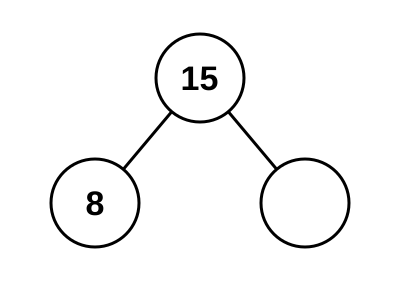
      Number bond with 15 as the whole, 8 as one part and the other part empty.
    2. 6.
      Number bond with 12 as the whole, 6 as one part and the other part empty.
    3. 7.
      Number bond with 16 as the whole, 9 as one part and the other part empty.

    Challenge (optional)

    The adding fact 9 + 9 = 18 helps with a take-away fact. Write it.

    You need: two ten frames and counters (optional)

    Reading & Writing · Week 10 Day 1

    I can tell what I learned from the pictures and what I learned from the words.

    Look: picture or words

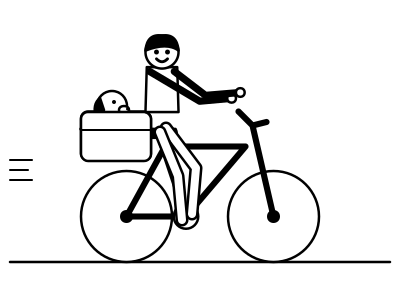
    1. Read "Mike and His Bike" together. Then look at the picture.
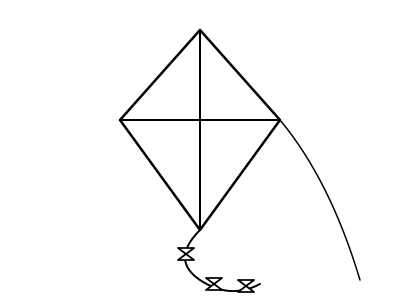
    2. Say: "The words tell me Mike has a bike. Only the picture shows me the dog in the bag."
    3. Say: "We learn some things from the words and some things from the pictures."

    Mike and His Bike

    A boy riding a bike with a bag on the back; a small dog peeks out of the bag. Mike has a bike. He can ride it to the lake. His bike is fast.
    Put a check if the words tell it. Put a star if only the picture shows it.

    1. 1.
      Mike has a bike.
    2. 2.
      A dog is in the bag.
    3. 3.
      Mike can ride to the lake.
    4. 4.
      The bag is on the back of the bike.

    Look at the picture. Circle the word that matches.

    1. 5.
      A kite.
      • kit
      • kite
    2. 6.
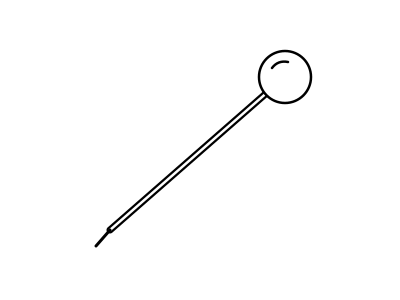
      A pin.
      • pin
      • pine
    3. 7.
      The number 5.
      • fin
      • five
    4. 8.
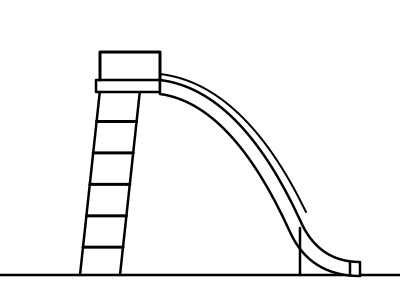
      A playground slide.
      • slid
      • slide

    Challenge (optional)

    Can Mike ride to the lake?

    Social Studies · Week 10 Day 1

    I can tell what a government is and name some jobs it does.

    Look: leaders and laws

    1. A government is a group of people who make rules, called laws, and run things for everyone in a place.
    2. Each place has a leader: a town has a mayor, a state has a governor and the country has a president.
    3. Native nations have their own governments too, with a leader and a tribal council.

    Listen. Circle the answer.

    1. 1.
      A governor leads a ____.
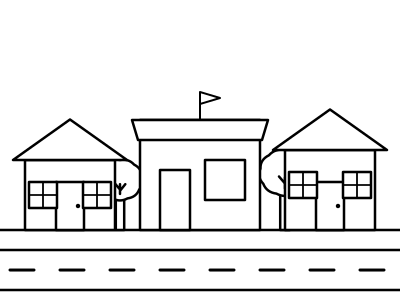
      • A small town.
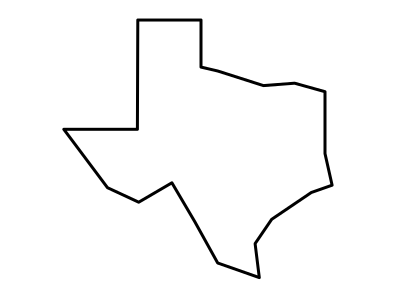
      • The outline of one state.
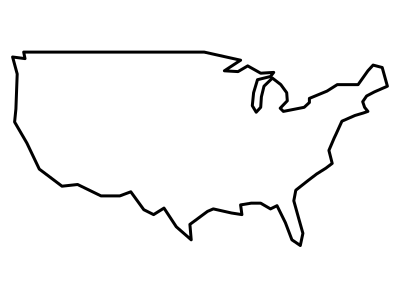
      • The outline of the United States.
    2. 2.
      A mayor leads a ____.
      • A small town.
      • The outline of one state.
      • The outline of the United States.
    3. 3.
      The president leads the ____.
      • A small town.
      • The outline of one state.
      • The outline of the United States.
    4. 4.
      Do leaders have to follow the laws too?
      • yes
      • no
    5. 5.
      Does a tribal council make laws for a Native nation?
      • yes
      • no

    Talk and draw. Write what your child says.

    1. 6.
      What is a law?
    2. 7.
      A mayor wants to know what people in town think. What could the mayor do?
    3. 8.
      Draw a leader listening to people at a town meeting.

    Challenge (optional)

    Find out what the leader of our town is called: mayor, town manager or another title.

    You need: crayons