1First Grade

    Lesson + weekly check: show a number many ways

    Share and check: oa and ow

    Practice pages

    0 of 180 days complete · Saved on this device

    View all 180 days

    MathWeekly check

    Lesson + weekly check: show a number many ways

    I can show a number with blocks, a picture and tens and ones.

    Standards: 1.NBT.B.2, 1.NBT.B.2.c

    Number practice (no timer)
    Facts within 10 (keep-up practice)
    Builds on
    Days 1 to 4: Number of the Day, quick pictures, matching forms and riddles. One-minute check: "Draw a quick picture of 50." (5 sticks and no dots)

    New words

    • Number of the Day: one number shown in many different ways

    You need

    • 9 straw bundles of 10 and 10 loose straws (or base-ten blocks)
    • A Number of the Day page (6 boxes)
    • The stored Week 15 check and its answer key
    • Notebook and pencil
    1. Warm-Up · 5 min

      Fluency: facts within 10. "5 + 3?" (8) "10 - 6?" (4) Spaced review from Week 14: "How many tens in 90?" (9)

    2. Short Lesson: Review Game · 10 min

      Number of the Day 64. Your child fills each box on the page: 64; 6 bundles and 4 loose straws; 6 sticks and 4 dots; 6 tens and 4 ones; 60 + 4; and a riddle for 64 (such as "I have 4 ones and 6 tens"). Then you read 2 riddles: "I have 8 tens and 0 ones." (80) "I have 2 ones and 7 tens." (72) If stuck, say: "Build it with bundles first, then draw what you built."

    3. Weekly Check · 15 min

      Give the stored Week 15 check. The printed check has 10 items. It covers these goals: (1) I can show one number in many ways; (2) I can draw a quick picture to show tens and ones; (3) I can match a number to its picture and its tens and ones; (4) I can solve riddles about tens and ones. Read each item aloud. There is no time limit. If your child is stuck, say only: "Build it with bundles first." Do not give the answer. Score it with the answer key. Secure: 9 of 10 correct. If the check is secure, start Week 16. If it is not, first do the reteach step on the check page for each group of items missed, then start Week 16.

    4. Exit Ticket · 3-5 min

      After the check, ask these two questions. Then go over any missed check items together.

    Exit ticket

    1. Show 64 as tens and ones.
    2. I have 9 tens and 0 ones. Who am I?
    Answers
    1. 6 tens and 4 ones
    2. 90
    Watch for, and help or stretch
    Watch for
    Drawing 4 sticks and 6 dots for 64.
    Try
    Point to the 6 and ask: "Which place is this digit in?" (Tens.) "So how many sticks?" (6)
    Extra help
    Let your child build each check number with bundles before drawing it, and note it on the check.
    Stretch
    After the check, your child shows 64 one more way: on a number line from 60 to 70.

    At home (optional): Make a Number of the Day page with a family member for a number they choose.
    Reading & WritingWeekly check

    Share and check: oa and ow

    I can read oa and ow words and share my opinion piece.

    Standards: RF.1.3.c, W.1.1, RF.1.3.g

    Phonics
    Vowel teams oa and ow as long o (boat, road, snow, grow)
    Sight words
    as, with, this, that, because
    Reading
    The Gingerbread Man (traditional, public domain); The Mitten (Jan Brett)
    Writing
    Opinion: a favorite character, with a closing sentence · Handwriting: copying a sentence neatly
    Builds on
    This week's oa and ow work and opinion writing. One-minute check: warm up with boat, road and snow.

    New words

    • listener: the person who hears someone read or talk

    You need

    • Word cards: oa and ow words (written in step 4)
    • Sight word cards: as, with, this, that, because
    • Recording sheet
    • Opinion page from Day 4
    1. Review Game · 10 min

      Row the Boat: lay 10 cards in a path like a river: boat, road, coat, soap, goat, snow, grow, show, slow, crow. Your child sits on a towel boat and rows to each card, reading it. If stuck on a word during the game (not during the check), cover all but the first sound, say it together, then uncover the rest and blend.

    2. Sight Words · 5 min

      Review: as, with, this, that, because, them, then, when, walk, an. Mystery Word: give one clue at a time (It has 4 letters. It starts with w...). Your child reads the cards and points to the match. Mix this week's and last week's words.

    3. Weekly Check · 15 min

      The printed check has 8 items. It covers these goals: (1) I can read oa and ow words; (2) I can read the sight words as, with, this, that and because; (3) I can describe the characters and big events in a tale; (4) I can use because to tell why; (5) I can write an opinion about a character with a reason and a closing. Give no hints. Record each answer. Secure: 8 of the 10 words in items 1 and 2, 4 of the 5 sight words, items 4 to 6, a clear opinion with a reason in item 7, and a closing in item 8. For any part that is not yet secure, use the matching reteach step on the check page next week.

    4. Share & Listen · 10 min

      Your child reads the opinion piece to a family member. The listener asks: "Why is that your favorite?" Your child answers with because.

    5. Handwriting · 5 min

      Your child copies "The goat is on the road." neatly, checking each word against the model. Circle the best word.

    6. Exit Ticket · 5 min

      Talk about the week.

    Exit ticket

    1. Read a word with oa and a word with ow.
    2. Who was your favorite character this week, and why?
    Answers
    1. Answers vary. Look for: correct reads such as boat and snow.
    2. Answers vary. Look for: a character and a because reason.
    Watch for, and help or stretch
    Watch for
    Reading because as /bee-kuz/ with a long, slow first part, or skipping the s.
    Try
    Clap the two parts (be-cause) and read "I sat because it was hot." three times.
    Extra help
    Read the questions in items 4 to 6 aloud twice before your child answers.
    Stretch
    Your child reads 3 bonus igh words (light, night, high) to preview next week. Do not score them.

    At home (optional): Read "Toad on the Road" to a family member.

    ScienceWeekly check

    Nature-to-invention match

    I can explain how an invention works like a living thing.

    Standards: 1-LS1-1

    Builds on
    Inventions that copy nature (Day 3). One-minute check: ask "What did George de Mestral see on the burr?" (tiny hooks)

    New words

    • match: to put together two things that go with each other

    You need

    • 8 matching cards from Day 3 (4 living things and 4 inventions)
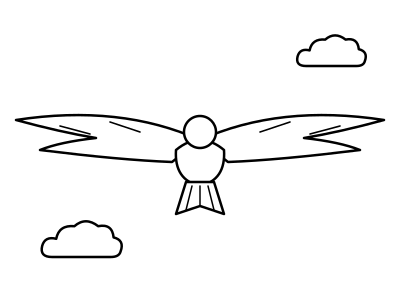
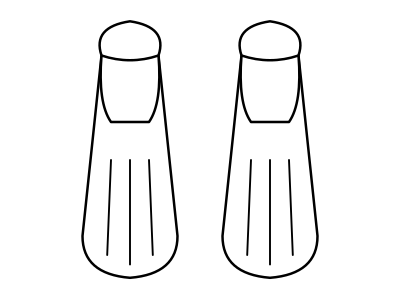
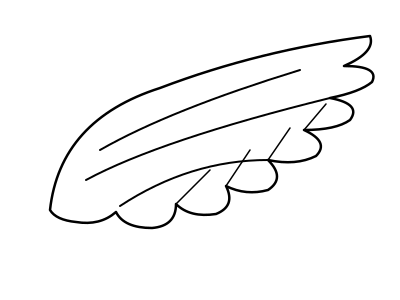
    • 2 new pairs for the check (draw or print): a fish's fins and a boat's paddle; a bird's wing and a paper airplane
    • Hook-and-loop tape strip
    • Notebook
    • Pencil
    1. Warm-Up / Wonder · 5 min

      Spaced review: ask: "Which side of hook-and-loop tape is like the burr?" (the side with hooks) Wonder question: "What else might people copy from animals?"

    2. Review Game · 10 min

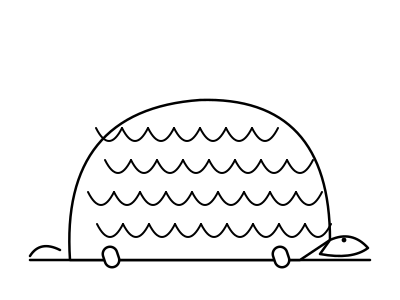
      Play "Nature Memory." Mix the 8 Day 3 cards face down in 2 rows of 4. Take turns flipping 2 cards. A match is a living thing and the invention that works like it. To keep a pair, the player tells how they are alike. (Burr and tape: tiny hooks. Duck feet and fins: wide and flat for swimming. Shell and helmet: hard covers. Beak and tongs: pinch and pick up.) If stuck remembering where a card is, play with the cards face up.

    3. Check · 10 min

      Give the Week 15 science check. The check items are on the Week 15 check page; do not show them ahead of time. Read each part aloud. Your child answers by talking, pointing, showing with the real materials or drawing. You write down their words exactly. It is not timed; stop and finish later if your child is tired. Make a check mark next to each part your child shows on their own. The printed check has 8 items. It covers these goals: (1) I can tell how outside parts protect plants and animals; (2) I can match a plant or animal part to an invention that works like it; (3) I can explain how an invention works like a living thing. This week the check is a matching task with an explanation. Your child matches 4 inventions to the living things they work like, using the 2 new pairs and 2 pairs from the game, then picks one pair and tells how the invention copies the living thing. Look for: correct matches and a reason about shape or job, such as "Swim fins are like duck feet because both are wide and flat to push water," or "The paddle is flat like a fin, so it pushes water." Secure: 6 of 8 correct, including item 1 (4 correct matches) and item 2 (a reason about shape or job). If the check is not yet secure, use the reteach step on the check page that matches the items missed.

    4. Exit Ticket · 3–5 min

      Ask the three questions aloud.

    Exit ticket

    1. Finish: "Swim fins are like duck feet because ___."
    2. Which invention copies a burr?
    3. Name one invention that works like a turtle's shell.
    Answers
    1. both are wide and flat, so they push water to help swimming.
    2. Hook-and-loop tape.
    3. Answers vary. Look for: a helmet or another hard cover, such as knee pads.
    Watch for, and help or stretch
    Watch for
    Telling what the invention is but not how it is like the animal part.
    Try
    Ask: "What is the same about them? Their shape? Their job?"
    Extra help
    Play Nature Memory with 2 pairs only, and give the check matches with picture cards face up.
    Stretch
    Your child draws a new invention that copies a plant or animal part and explains it.

    At home (optional): Your child tells a family member one invention that copies nature and how it works.

    Practice

    Read each direction aloud. Your child works on the page; answers are in the grown-up view.

    Warm-up

    Remember?

    Math

    1. Write the number one hundred six.
    2. 17 - 9 = ? Think 9 + ? = 17.

    Reading & Writing

    Math · Week 15 check

    Weekly check

    How to give it: Read each item aloud. Untimed. Your child may build each number with bundles before drawing or writing. If stuck, say only: "Build it with bundles first." Do not give the answer.

    Secure when: 9 of 10 correct

    • I can show one number in many ways.
    • I can draw a quick picture to show tens and ones.
    • I can match a number to its picture and its tens and ones.
    • I can solve riddles about tens and ones.
    1. 1.
      73 is ___ tens and ___ ones.
    2. 2.
      73 = ___ + 3
    3. 3.
      50 is ___ tens and ___ ones.
    4. 4.
      Draw a quick picture of 73.
    5. 5.
      Draw a quick picture of 50.
    6. 6.
      Circle the number that matches 20 + 9.
      • 92
      • 29
    7. 7.
      8 sticks and 4 dots. Circle the number.
      • 48
      • 84
      • 804
    8. 8.
      I have 2 ones and 9 tens. Who am I?
    9. 9.
      I have 3 tens and 0 ones. Who am I?
    10. 10.
      My tens digit is 6 and my ones digit is 5. Who am I?

    Reading & Writing · Week 15 check

    Weekly check

    How to give it: Give the check after the review game, in a quiet spot, one part at a time. It is untimed; take a stretch break between parts if needed. Read every direction aloud, but do not read the words or story for your child. Do not help except to say "Try your best" or "Skip it." Mark each item right or wrong. Items 1 and 2 (Part 1): your child reads the oa and ow words aloud. Item 3 (Part 2): your child reads the 5 sight words. Then your child reads "Toad and Goat" aloud and you read the directions for items 4 to 8. Part 3 of the lesson follows: your child reads the Day 4 opinion piece aloud and answers one question from a listener.

    Secure when: 8 of the 10 words in items 1 and 2, 4 of the 5 sight words, items 4 to 6, a clear opinion with a reason in item 7, and a closing in item 8.

    • I can read oa and ow words.
    • I can read the sight words as, with, this, that and because.
    • I can describe the characters and big events in a tale.
    • I can use because to tell why.
    • I can write an opinion about a character with a reason and a closing.

    Toad and Goat

    Toad sat on a road. Goat came by with a load of hay. "This road is not safe," said Goat. Toad got on the back of Goat because the road was not safe. Then Goat and Toad went home.

    1. 1.
      moan soak coal foal loan
    2. 2.
      mow tow blown shown sown
    3. 3.
      as with this that because
    4. 4.
      Toad sat on a ___.
      • road
      • boat
    5. 5.
      Goat came by with a load of ___.
      • hay
      • soap
    6. 6.
      Toad got on the back of Goat because ___.
      • the road was not safe
      • Toad had a coat
    7. 7.
      I like ___ because ___.
    8. 8.
      Closing:

    Science · Week 15 check

    Weekly check

    How to give it: Read every direction, question and choice aloud. It is not timed; stop and finish later if your child is tired. Your child answers by talking, pointing, showing with the real materials or drawing, and you write their words exactly. Have the 8 matching cards from Day 3 and the 2 new pairs (fish fins and a paddle; a bird wing and a paper airplane). Lay out the cards face up for item 1.

    Secure when: 6 of 8 correct, including item 1 (4 correct matches) and item 2 (a reason about shape or job).

    • I can tell how outside parts protect plants and animals.
    • I can match a plant or animal part to an invention that works like it.
    • I can explain how an invention works like a living thing.
    1. 1.
      Match each invention card to the living thing it works like: fish fins and a paddle, a bird wing and a paper airplane, and 2 pairs from the game.
    2. 2.
      Pick one pair. Tell how the invention works like the living thing. Your grown-up writes it.
    3. 3.
      A paper airplane and a bird's wing. Circle what they share.
      • Wide, flat wings in the air.
      • A sharp beak.
    4. 4.
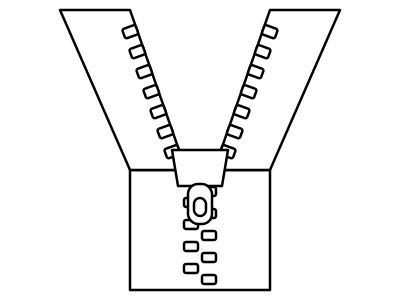
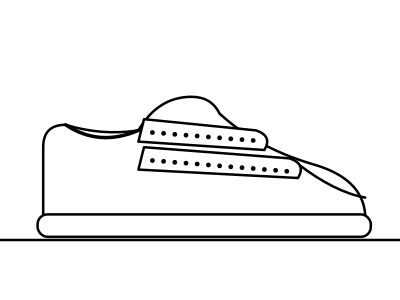
      Circle the invention that copies a burr.
      • A zipper.
      • Hook-and-loop tape on a shoe.
    5. 5.
      Circle the tool that works like a duck's feet.
      • Swim fins.
      • Boots.
    6. 6.
      A pangolin has hard scales all over. Circle the job.
      • A hard cover that keeps its body safe.
      • A part for flying.
    7. 7.
      Sort it. Circle the cactus for sharp points or the turtle shell for a hard cover: a holly leaf with prickly edges.
      • A cactus (sharp points).
      • A turtle shell (hard cover).
    8. 8.
      Tell how sharp points help a plant. Your grown-up writes it.