1First Grade

    Numbers in the hundred chart pieces

    Town or country?

    Practice pages

    0 of 180 days complete · Saved on this device

    View all 180 days

    Math

    Numbers in the hundred chart pieces

    I can fill in missing numbers using tens and ones.

    Standards: 1.NBT.A.1, 1.NBT.B.2

    Number practice (no timer)
    Make 10 and doubles (keep-up practice)
    Builds on
    Day 2 hundred chart patterns: across is 1 more, down is 10 more. One-minute check: "What is right below 63?" (73)

    New words

    • chart piece: a small part of the hundred chart with only some numbers filled in

    You need

    • 6 empty chart pieces: on paper, draw 6 small grids of 3 rows and 3 boxes each, and write one number in the center box: 45, 22, 67, 89, 105, 74
    • Hundred chart to 120: printed, or drawn as 12 rows of 10 boxes (1 to 10 in the top row, 111 to 120 in the bottom row) (for checking only)
    • Notebook and pencil
    1. Warm-Up · 5 min

      Fluency: make 10 and doubles. "8 and what make 10?" (2) "4 + 4?" (8) Spaced review from Week 15: "Draw a quick picture of 73." (7 sticks and 3 dots)

    2. Mini-Lesson · 10 min

      Say: "Here is a piece of the hundred chart. Only one number is shown: 45. Can we fill in the rest?" Say the rules: "Across to the right is 1 more. Across to the left is 1 less. Down is 10 more. Up is 10 less." Fill the piece together. Middle row: 44, 45, 46. Top row: 34, 35, 36. Bottom row: 54, 55, 56. Check against the whole chart.

    3. Guided Practice · 10 min

      Your child fills each chart piece, then checks with the whole chart. 1) Center 22: top 11, 12, 13; middle 21, 22, 23; bottom 31, 32, 33. 2) Center 67: top 56, 57, 58; middle 66, 67, 68; bottom 76, 77, 78. 3) Center 105: top 94, 95, 96; middle 104, 105, 106; bottom 114, 115, 116. If stuck, say: "Fill the middle row first: 1 less and 1 more. Then do the row below, which is 10 more."

    4. Play · 10 min

      Chart Piece Swap. Your child fills the last two pieces (center 89 and center 74). Watch the 89 piece: the right side crosses into a new ten. (Top 78, 79, 80; middle 88, 89, 90; bottom 98, 99, 100.) (74: top 63, 64, 65; middle 73, 74, 75; bottom 83, 84, 85.) Then your child draws a new piece with one number in any box (not the center) for you to fill. Check it fits on the whole chart: numbers ending in 0 are on the right edge and numbers ending in 1 are on the left edge. Make one mistake on purpose for your child to find.

    5. Exit Ticket · 3-5 min

      Put the objects to one side but leave them on the table. Read each question aloud. Your child answers out loud, with objects or with a quick drawing. Check each answer together right away.

    Exit ticket

    1. What number is just below 62 on the chart?
    2. What number is just to the left of 80?
    3. What number is just above 115?
    Answers
    1. 72
    2. 79
    3. 105
    Watch for, and help or stretch
    Watch for
    Writing 90 to the right of 89 as "80" or "810."
    Try
    Count on out loud from 87: 88, 89, 90. After 89 comes a new ten.
    Extra help
    Fill only the middle row and the row below for each piece.
    Stretch
    Make a bigger piece with 4 rows and fill it from one number, such as 33.

    At home (optional): A family member writes one number in a 3 by 3 grid, and your child fills in the rest.
    Reading & Writing

    Town or country?

    I can tell which home I would choose and give reasons.

    Standards: W.1.1, L.1.1.g, L.1.6

    Phonics
    Vowel team igh and y as long i (light, night, my, fly)
    Sight words
    for, or, but, not, all
    Reading
    The Town Mouse and the Country Mouse (Aesop, public domain)
    Writing
    Opinion: which place would you choose and why · Handwriting: neat copying of a short fable line
    Builds on
    Opinions with two reasons (Week 14). One-minute check: your child says which mouse's home they like better, in one sentence.

    New words

    • rather: would like more
    • choose: pick one

    You need

    • Opinion frame: I would rather live in the ___ because ___. Also, ___. That is why ___.
    • Crayons
    • Sight word cards
    • Printed "Max and Skip"
    1. Phonics & Word Work · 15 min

      Three ways to spell long i. I do: show kite, light, my. Say: "i_e, igh and y can all say /ī/. y is at the end; igh is often before t; i_e has a silent e." We do: sort night, cry, time, bright, fly, hide. (i_e: time, hide. igh: night, bright. y: cry, fly.) You do: your child reads "My kite is bright." "I like to ride at night." Dictation: night, cry, ride, sight. If stuck on spelling, ask: "Is the /ī/ at the end? Try y. Is there a t after it? Try igh."

    2. Sight Words · 5 min

      Review: for, or, but, not, all. Rainbow Write: your child writes two of this week's words three times each in different crayons, saying each letter, then reads them. Use but and all.

    3. Read-Aloud & Shared Reading · 15 min

      Reread the end of the fable. Ask: "Would you rather live in the town or the country? Why?" Talk about reasons from the story and from your child's life. (Answers vary. Look for: an opinion with two reasons, such as country: quiet and safe; town: fancy food and lots to see.) Model: "I would rather live in the country because it is quiet. Also, there are no barking dogs. That is why I choose the country." Ask: "What is my closing sentence?" (That is why I choose the country.) Then your child reads the last line of "Max and Skip" and answers its question. (Answers vary. Look for: a choice with a reason.)

    4. Writing & Handwriting · 15 min

      Your child writes: "I would rather live in the ___ because ___. Also, ___." and a closing sentence, then draws the home. Handwriting (4 min): your child copies the closing sentence neatly on a fresh line.

    5. Exit Ticket · 5 min

      Your child reads the opinion.

    Exit ticket

    1. Read me your opinion and your two reasons.
    2. Which spelling of long i is in night: i_e, igh or y?
    3. Read this sentence: "My kite is bright."
    Answers
    1. Answers vary. Look for: a choice (town or country) and two reasons.
    2. igh
    3. My kite is bright.
    Watch for, and help or stretch
    Watch for
    Giving a reason that does not match the choice (country, because it has cake).
    Try
    Ask: "Does that reason make the country better? Which home had cake?"
    Extra help
    Your child draws the two reasons first, then writes one word under each.
    Stretch
    Your child writes what the other mouse might say back, with a reason.

    At home (optional): Your child asks a family member which home they would choose and why.

    ScienceWeekly check

    Shape helps it work

    I can explain how the shape of my design helps it work.

    Standards: K-2-ETS1-2, 1-LS1-1

    Builds on
    Design sketch (Day 2). One-minute check: your child points to the labels on the sketch and reads or tells them.

    New words

    • shape: the outline or form of something, like pointed, curved, flat or round

    You need

    • Sketch from Day 2
    • 5 household objects for Shape Hunt: a spoon, a fork, a funnel or a measuring cup with a spout, a bowl, and a pair of tongs (plastic or metal)
    • Pencil and crayons
    1. Warm-Up / Wonder · 5 min

      Spaced review: ask: "What did the cup do for the cracker on Day 2?" (It covered and protected it.) Wonder question: "Why is a spoon curved and a fork pointy?"

    2. Review Game · 10 min

      Play "Shape Hunt." For each object, your child names the shape and the job it helps with. Spoon: curved bowl, holds soup. Fork: pointed tines, stab food. Spout or funnel: narrow end, pour without spilling. Bowl: round and deep, holds food. Tongs: 2 long arms that close, grab food. Ask: "Which of these is like a beak?" (tongs) "Which is like a pelican's pouch?" (the spoon) Then your child finds one more thing in the room and tells how its shape helps. If stuck, ask: "What would happen if a spoon were flat?" (The soup would spill.)

    3. Check · 10 min

      Give the Week 16 science check. The check items are on the Week 16 check page; do not show them ahead of time. Read each part aloud. Your child answers by talking, pointing, showing with the real materials or drawing. You write down their words exactly. It is not timed; stop and finish later if your child is tired. Make a check mark next to each part your child shows on their own. The printed check has 8 items. It covers these goals: (1) I can sketch an idea that copies an animal or plant part; (2) I can explain how the shape of my design helps it work. This week the check is an explanation of the Day 2 sketch. Your child points to one shape on the sketch, tells how that shape helps the design do its job, and tells which animal or plant part has the same shape and job. If they want, they may add to or fix the sketch first. Look for: a named shape (such as pointed tips or a curved cover), a job (such as grabbing tiny things or stopping a push) and a link to the living thing ("like a bird's beak" or "like a turtle's shell"). Secure: 6 of 8 correct, including items 1, 2 and 3 (a named shape, its job and the living thing it copies). If the check is not yet secure, use the reteach step on the check page that matches the items missed.

    4. Exit Ticket · 3–5 min

      Ask the three questions aloud.

    Exit ticket

    1. Why is a spoon curved?
    2. Point to one shape on your sketch. How does it help?
    3. Which animal part has the same shape and job?
    Answers
    1. So it can hold soup or water without spilling.
    2. Answers vary. Look for: a shape tied to a job, such as "The pointed tips grab small things."
    3. Answers vary. Look for: a match to the design, such as a beak for a grabber or a shell for a cover.
    Watch for, and help or stretch
    Watch for
    Naming the shape but not the job ("It's pointy").
    Try
    Ask: "Pointy helps it do what?"
    Extra help
    Use 3 objects in Shape Hunt (spoon, fork and tongs) and give the frame "The ___ shape helps it ___."
    Stretch
    Your child adds an arrow and a second label to the sketch to show a change that might make the shape work better.

    At home (optional): At dinner, your child picks one tool or dish and tells how its shape helps it do its job.

    Practice

    Read each direction aloud. Your child works on the page; answers are in the grown-up view.

    Warm-up

    Remember?

    Math

    1. Count on: 88, 89, 90, ___, ___
    2. True or false? 8 - 3 = 6

    Reading & Writing

    1. stay, mail, gray

    Math · Week 16 Day 4

    I can fill in missing numbers using tens and ones.

    Look: a chart piece around 56

    1. Across: 55, 56, 57. Left is 1 less and right is 1 more.
    2. Up is 10 less: 46. Down is 10 more: 66.
    3. The corners work the same way: 45 and 47 on top, 65 and 67 below.

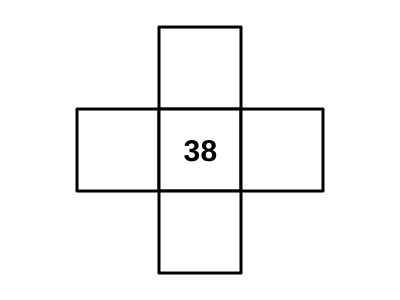
    A plus-shaped piece of the hundred chart with 38 in the center and 4 empty boxes around it. Write the missing numbers.

    1. 1.
      The box above 38
    2. 2.
      The box below 38
    3. 3.
      The box left of 38
    4. 4.
      The box right of 38

    Write the number.

    1. 5.
      Just to the right of 99
    2. 6.
      Just below 110
    3. 7.
      Just above 11

    Challenge (optional)

    90 is on the right edge of the chart. Write the numbers just left of 90, just above 90 and just below 90.

    You need: hundred chart to 120 (to check)

    Reading & Writing · Week 16 Day 4

    I can tell which home I would choose and give reasons.

    Look: choose and give reasons

    1. Read "My Pick of a Home" together.
    2. Underline the opinion: I would pick a home by the sea. Circle the two reasons.
    3. Say: "i_e, igh and y can all say /ī/: smile, night, sky."

    My Pick of a Home

    I would pick a home by the sea. I can swim all day. At night, I can see the bright sky. That is my pick!

    Read the word. Circle how it spells long i.

    1. 1.
      night
      • i_e
      • igh
      • y
    2. 2.
      smile
      • i_e
      • igh
      • y
    3. 3.
      fly
      • i_e
      • igh
      • y
    4. 4.
      I would pick a home by the sea. I can swim all day. At night, I can see the bright sky.

    Which home would you pick? Write your opinion and two reasons.

    1. 5.
      I would pick ___.
    2. 6.
      Reason 1:
    3. 7.
      Reason 2:

    Challenge (optional)

    At night, I can see the ___ sky.

    Science · Week 16 check

    Weekly check

    How to give it: Read every direction, question and choice aloud. It is not timed; stop and finish later if your child is tired. Your child answers by talking, pointing, showing with the real materials or drawing, and you write their words exactly. Have the Day 2 sketch, a pencil and crayons. Your child may add to or fix the sketch before you begin.

    Secure when: 6 of 8 correct, including items 1, 2 and 3 (a named shape, its job and the living thing it copies).

    • I can sketch an idea that copies an animal or plant part.
    • I can explain how the shape of my design helps it work.
    1. 1.
      Point to one shape on your sketch from Day 2.
    2. 2.
      Tell how that shape helps your design do its job. Your grown-up writes it.
    3. 3.
      Tell which animal or plant part has the same shape and job. Your grown-up writes it.
    4. 4.
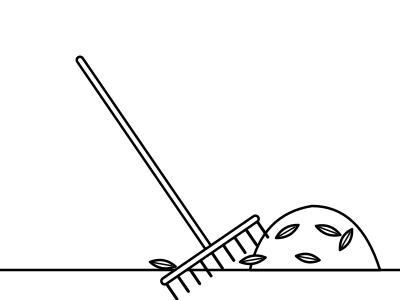
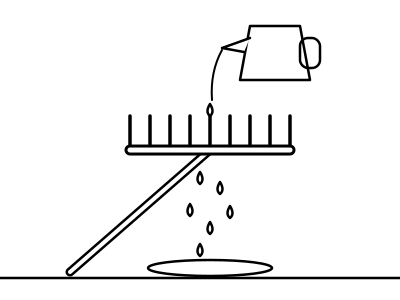
      A rake has long, pointed teeth. Circle the job they help with.
      • A rake pulling leaves into a pile.
      • A rake holding water.
    5. 5.
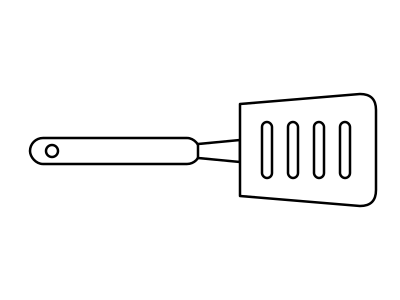
      Circle the tool with a wide, flat end that helps you lift a pancake.
      • A straw.
      • A spatula.
    6. 6.
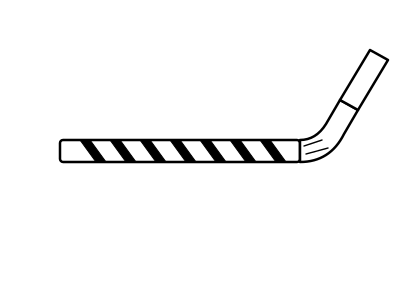
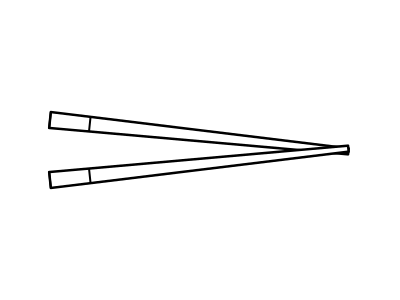
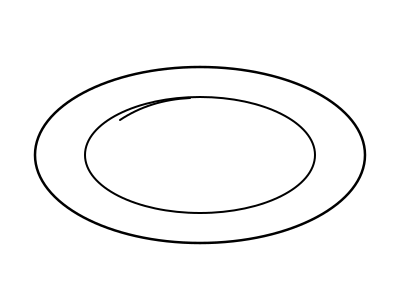
      Circle the tool that works like a bird's beak.
      • Chopsticks.
      • A plate.
    7. 7.
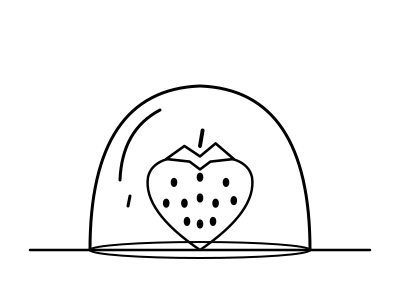
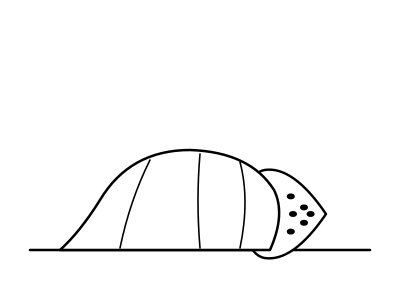
      A problem: keep a strawberry from getting squashed in a lunch bag. Circle the idea that copies a shell.
      • A strawberry under a curved plastic cup.
      • A strawberry under a paper napkin.
    8. 8.
      Look at a chair. Tell how one of its shapes helps it work. Your grown-up writes it.