    1First Grade

    Lesson + weekly check: adding tens

    Share and check: r-controlled vowels

    Practice pages

    0 of 180 days complete · Saved on this device

    View all 180 days

    MathWeekly check

    Lesson + weekly check: adding tens

    I can add tens and explain my thinking.

    Standards: 1.NBT.C.4

    Number practice (no timer)
    Adding tens: 3 tens + 4 tens
    Builds on
    Days 1 to 4: adding tens with the kit, the chart and stories. One-minute check: "64 + 20?" (84)

    New words

    • explain: tell how you know

    You need

    • Tens and ones kit for each player (2 kits): 10 tens and 9 ones each. Paper ten-strips (strips of 10 squares, cut by an adult) with beans as ones are easiest to make in this amount; straw bundles or base-ten blocks also work.
    • 1 die
    • Hundred chart to 120: printed, or drawn as 12 rows of 10 boxes (1 to 10 in the top row, 111 to 120 in the bottom row)
    • The stored Week 20 check and its answer key
    • Notebook and pencil
    • Beans and unit cubes are small parts: keep them away from children under 3.
    1. Warm-Up · 5 min

      Fluency: adding tens. "5 tens + 3 tens?" (80) "10 + 90?" (100) Spaced review from Week 19: "10 less than 74?" (64)

    2. Short Lesson: Review Game · 10 min

      Climb to 100 by Tens. Each player rolls the die and takes that many ones to start. Take turns rolling: 1 or 2, add 1 ten; 3 or 4, add 2 tens; 5 or 6, add 3 tens. Add the tens and say the equation, such as 5 + 20 = 25. If the tens would take you past 100, stay where you are. After 5 turns each, the player closer to 100 wins. Check any doubtful total on the hundred chart. If stuck, say: "Count your bundles by tens, then count on the ones."

    3. Weekly Check · 15 min

      Give the stored Week 20 check. The printed check has 7 items. It covers these goals: (1) I can add tens to tens; (2) I can add tens to a two-digit number; (3) I can explain my adding. Read each item aloud. There is no time limit. If your child is stuck, say only: "How many tens are you adding?" Do not give the answer. Score it with the answer key. Secure: 6 or 7 of the 7 items right. If the check is secure, start Week 21. If it is not, first do the reteach step on the check page for each group of items missed, then start Week 21.

    4. Exit Ticket · 3-5 min

      After the check, ask these two questions. Then go over any missed check items together.

    Exit ticket

    1. 70 + 20 = ?
    2. What is 38 + 50?
    Answers
    1. 90
    2. 88
    Watch for, and help or stretch
    Watch for
    Changing the ones digit when only tens are added.
    Try
    Ask: "Did you add any ones?" Cover the ones digit; it stays the same.
    Extra help
    Let your child build each check problem with the kit, and note it on the check.
    Stretch
    After the check, ask: "Which tens number added to 47 makes 97?" (50)

    At home (optional): Your child explains one problem from the check to a family member using the kit or a drawing.
    Reading & WritingWeekly check

    Share and check: r-controlled vowels

    I can read r-controlled words and describe with adjectives.

    Standards: RF.1.3.b, L.1.1.f, RF.1.3.g

    Phonics
    r-controlled review (ar, or, er, ir, ur) and word sorts
    Sight words
    time, look, more, write, number
    Reading
    "My Shadow" by Robert Louis Stevenson (public domain)
    Writing
    Narrative and poem: describing with adjectives · Handwriting: illustrated poem copy
    Builds on
    This week's r-controlled review and describing words. One-minute check: warm up with car, fork, her.

    New words

    • adjective: another name for a describing word

    You need

    • Word cards: mixed r-controlled words (written in step 4)
    • 10 game cards (index cards): car, horn, her, bird, fur, march, sport, fern, dirt, hurt
    • A flashlight and tape
    • Sight word cards: time, look, more, write, number, will, if, so, make, like
    • Recording sheet
    • The shadow poem (from Day 4)
    • Lined handwriting paper
    1. Review Game · 10 min

      Flashlight Read: tape 10 cards to a wall and dim the lights: car, horn, her, bird, fur, march, sport, fern, dirt, hurt. Your child shines the flashlight on a card, reads it, then makes a hand shadow for fun. If stuck on a word during the game (not during the check), cover all but the first sound, say it together, then uncover the rest and blend.

    2. Sight Words · 5 min

      Review: time, look, more, write, number, will, if, so, make, like. Mystery Word: give one clue at a time; your child finds the card. Clues: "It has 6 letters." (number) "It has 5 letters and starts with w." (write) "It has 2 letters and starts with i." (if) Then your child gives you a clue.

    3. Weekly Check · 15 min

      The printed check has 9 items. It covers these goals: (1) I can read r-controlled words and describe with adjectives; (2) I can find sense words in a poem and tell big from gigantic; (3) I can write a short poem using describing words. Give no hints. Record each answer. Secure: 8 of 10 words in items 1-2, 4 of 5 sight words, 2 describing words named in item 4, and 4 of 5 on items 5-9. For any part that is not yet secure, use the matching reteach step on the check page next week.

    4. Share & Listen · 10 min

      Your child reads the shadow poem and shows the drawing. The listener names one describing word they heard and tells what picture it made in their head.

    5. Handwriting · 5 min

      Your child copies the title My Dark Shape neatly, with capitals at the start of each word, then decorates the page border. Circle the best letter.

    6. Exit Ticket · 5 min

      Talk about the week.

    Exit ticket

    1. Read two r-team words: one with ar and one with ur.
    2. Say a describing word for a puppy.
    Answers
    1. Answers vary. Look for: correct reads such as farm and burn.
    2. Answers vary. Look for: a describing word such as soft, small or happy.
    Watch for, and help or stretch
    Watch for
    Pointing to naming words (shape, dog) as describing words.
    Try
    Ask: "Does that word name a thing, or tell what it is like?"
    Extra help
    Read the item 4 directions aloud, and let your child point to the describing words before reading.
    Stretch
    Your child reads the whole of "Bert and the Dark Shape" aloud with expression. Do not score it.

    At home (optional): Your child shows a family member a hand shadow and describes it with two describing words.

    Social StudiesWeekly check

    What I learned from my interview

    I can compare how an older person saw things as a child with how I see things now.

    Standards: D2.His.4.K-2, D2.His.2.K-2

    Builds on
    Plan a family interview (Day 3). One-minute check: ask "What is one rule for good interview manners?" (Answers vary: listen, do not interrupt, say thank you.)

    New words

    • perspective: how a person sees or thinks about something
    • compare: to tell how things are the same and different

    You need

    • Interview page with questions from Day 3
    • A phone or video call, if the person is not at home
    • Then and Now chart: a sheet of paper with 2 columns, labeled "When ___ was little" and "Me now"
    • Week 20 social studies check page (given separately)
    • Pencil and crayons
    1. Warm-Up / Wonder · 5 min

      Spaced review: ask: "Why is a person who lived long ago a good source?" (They were there and remember.) Wonder question: "Do you think the person we interview thought the same things were important that you do?"

    2. Review Game · 10 min

      Do the interview (about 10 minutes). If the interview already happened earlier in the week, read the notes back together instead. Your child asks the questions; you write short notes or record with permission. Remind your child to listen and say thank you at the end. Then fill in the Then and Now chart together: for each question, write the person's answer in the first column and your child's own answer in the second. Ask: "What is the same?" (Answers vary.) "What is different?" (Answers vary.) Look at question 4. Ask: "What did they think was most important when they were six? What do you think is most important?" (Answers vary.) Say: "People long ago sometimes saw things differently because their lives were different." If stuck, read one answer aloud and ask: "Is that true for you too?" If the person could not do the interview, use a grown-up at home who can tell about their own childhood.

    3. Check · 10 min

      Give the Week 20 social studies check. The check items are on the Week 20 check page; do not show them ahead of time. Read each part aloud. Your child answers by talking, pointing, showing with the real materials or drawing. You write down their words exactly. It is not timed; stop and finish later if your child is tired. Make a check mark next to each part your child shows on their own. The printed check has 8 items. It covers these goals: (1) I can compare toys and schools long ago with toys and schools today; (2) I can make questions to ask an older person about when they were young; (3) I can compare how an older person saw things as a child with how I see things now. This week the check is an oral compare task using the interview. Look for: your child tells one way the past was different for the person they interviewed, and one way that person saw something differently as a child than your child does now. If stuck on a part, read one row of the Then and Now chart aloud and ask: "Is that the same or different?" Secure: 6 of 8 correct, with at least one right on each goal. If the check is not yet secure, use the reteach step on the check page that matches the items missed.

    4. Exit Ticket · 3–5 min

      Ask the three questions aloud. Your child answers by talking or drawing.

    Exit ticket

    1. Who did you interview?
    2. Tell one way life was different when that person was little.
    3. Tell one way that person thought about something differently than you do.
    Answers
    1. Answers vary. Look for: the person's name or their relationship, such as "my grandpa."
    2. Answers vary. Look for: a real difference from the interview, such as no computers or walking to school.
    3. Answers vary. Look for: a real difference in what they thought was important, fun or hard.
    Watch for, and help or stretch
    Watch for
    Saying the past was "worse" or "weird."
    Try
    Say: "It was different. Let's tell what was different without saying it was bad." Ask: "What was something fun they had then?"
    Extra help
    Use 3 questions and fill in only the first column; your child tells the "Me now" answers out loud.
    Stretch
    Your child writes a thank-you note to the person and includes one thing they learned.

    At home (optional): Your child sends a thank-you drawing or note to the person they interviewed.

    Practice

    Read each direction aloud. Your child works on the page; answers are in the grown-up view.

    Warm-up

    Remember?

    Math

    1. What is 10 less than 45?
    2. 7 + 4 = ? Make a ten first.

    Reading & Writing

    1. fly, going

    Math · Week 20 check

    Weekly check

    How to give it: Read every item aloud. It is untimed. Your child may draw quick pictures or use the hundred chart. If your child is stuck, say only: "How many tens are you adding?" Do not give the answer. There are 7 parts. 6 or 7 right: start Week 21. 5 right: redo Day 3 Guided Practice before Week 21. 4 or fewer right: redo Day 1 and Day 2 with the kit before Week 21.

    Secure when: 6 or 7 of the 7 items right.

    • I can add tens to tens.
    • I can add tens to a two-digit number.
    • I can explain my adding.
    1. 1.
      10 + 50 = ____
    2. 2.
      70 + 30 = ____
    3. 3.
      46 + 30 = ____
    4. 4.
      20 + 58 = ____
    5. 5.
      Start at 33 on the chart. Hop down 6 rows. Where do you land?
    6. 6.
      A box has 29 straws. You add 5 bundles of 10 straws. How many straws are in the box now?
    7. 7.
      Tell or draw how you solved 46 + 30.

    Reading & Writing · Week 20 check

    Weekly check

    How to give it: Give it in one sitting, untimed. Read each direction aloud. For items 1-3, your child reads each word aloud and you tick the ones read right; give no hints. For item 4, your child reads the shadow poem from Day 4 and points to each describing word. Your child reads The Farm Cart aloud before items 5-6; for item 5, say: Circle the describing word. For item 7, say the word gigantic. For item 8, say: Write a word that tells what the sun is like. For item 9, say the word sharp twice.

    Secure when: 8 of 10 words in items 1-2, 4 of 5 sight words, 2 describing words named in item 4, and 4 of 5 on items 5-9.

    • I can read r-controlled words and describe with adjectives.
    • I can find sense words in a poem and tell big from gigantic.
    • I can write a short poem using describing words.

    The Farm Cart

    Bart has a short red cart. He sorts corn in the cart. A bird sits on the cart. Chirp! The cart is not big, so Bart has to make more trips.

    1. 1.
      harp cork dart thorn scorn
    2. 2.
      tarp fort marsh scorch churn
    3. 3.
      time look more write number
    4. 4.
      (Parent: your child reads the Day 4 shadow poem aloud and points to the describing words.)
    5. 5.
      Bart has a short red cart.
      • Bart
      • red
      • cart
    6. 6.
      What does Bart sort in the cart?
      • corn
      • yarn
      • forks
    7. 7.
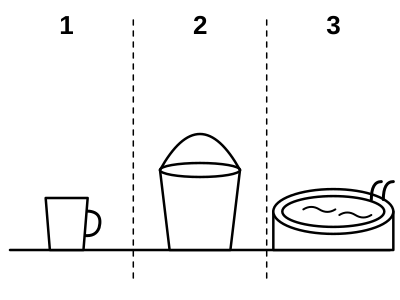
      1 a cup, 2 a bucket, 3 a swimming pool.
      • 1
      • 2
      • 3
    8. 8.
      The sun is ____.
    9. 9.
      Spell it: ____

    Social Studies · Week 20 check

    Weekly check

    How to give it: Read every question and choice aloud, and point to each picture as you name it. This week the check is an oral compare task using the interview. Your child answers by talking, pointing, circling, acting it out or drawing; write their words exactly on the line. It is not timed; stop and finish later if your child is tired. Do not show the page ahead of time. Have the interview page and the Then and Now chart nearby. Make a check mark next to each part your child shows on their own.

    Secure when: 6 of 8 correct, with at least one right on each goal

    • I can compare toys and schools long ago with toys and schools today.
    • I can make questions to ask an older person about when they were young.
    • I can compare how an older person saw things as a child with how I see things now.
    1. 1.
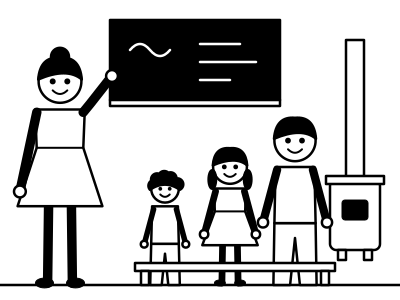
      A one-room school from long ago with one teacher and children of many ages. Tell one thing in this picture that is different from schools today.
    2. 2.
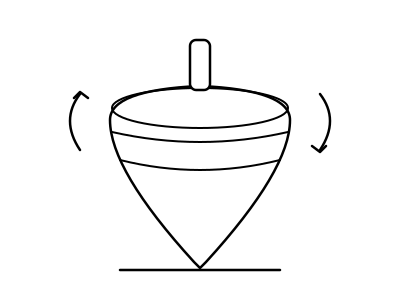
      A wooden spinning top. Your child circles then, now or then and now.
      • then
      • now
      • then and now
    3. 3.
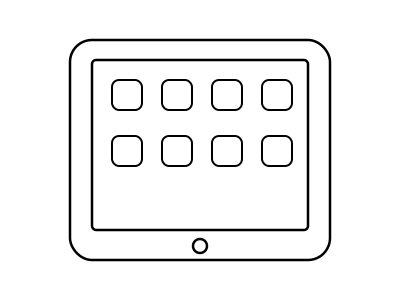
      A tablet computer.
      • then
      • now
      • then and now
    4. 4.
      Which is a better source about life when Grandpa was six: Grandpa, or a cartoon about robots?
    5. 5.
      What was one question on your interview page?
    6. 6.
      From your interview: what did that person have or do as a child that you do not have or do now?
    7. 7.
      What did that person think was most important at age six? What do you think is most important?
    8. 8.
      Can two people think about the same thing in different ways?
      • yes
      • no