1First Grade

    Lesson + weekly check: hour and half hour

    Share and check: -s and -es

    Practice pages

    0 of 180 days complete · Saved on this device

    View all 180 days

    MathWeekly check

    Lesson + weekly check: hour and half hour

    I can tell and write time to the hour and half hour.

    Standards: 1.MD.B.3

    Number practice (no timer)
    Make 10 with clock numbers (keep-up practice)
    Builds on
    Weeks 27 and 28 (o'clock and half-hour times on analog and digital clocks). One-minute check: "At 3:00, where does the long hand point? At 3:30?" (To 12; to 6)

    New words

    • check: a short set of problems that shows what you have learned

    You need

    • The paper plate clock from Week 27
    • Notebook and pencil
    • The stored Week 28 check and its answer key
    • The paper fastener on the clock is a small part: keep it away from children under 3.
    1. Warm-Up · 5 min

      Fluency: make 10 with clock numbers. "6?" (4) "8?" (2) Spaced review from Week 23: "70 - 30?" (40) "What adding fact helps?" (30 + 40 = 70)

    2. Short Lesson: Review Game · 10 min

      What Time Is It? Quiz. Set the paper clock to each time. Your child says the time in words and writes it the digital way, for 1 point each. 1) 2:00 (2 o'clock) 2) 5:30 (half past 5) 3) 9:00 (9 o'clock) 4) 11:30 (half past 11) 5) 6:30 (half past 6) 6) 1:00 (1 o'clock) Then your child sets 3 times for you to read, and gets 1 point for each time you read correctly. If stuck, say: "Long hand first. On 12 is o'clock; on 6 is half past. Then the short hand tells the hour it just passed."

    3. Weekly Check · 15 min

      Give the stored Week 28 check. The printed check has 8 items. It covers these goals: (1) I can read and write time to the hour and half hour; (2) I can draw the hands for a time to the hour or half hour. Read each item aloud. There is no time limit. If your child is stuck, say only: "Look at the long hand first." Do not give the answer. Score it with the answer key. Secure: 7 or 8 of the 8 items right. If the check is secure, start Week 29. If it is not, first do the reteach step on the check page for each group of items missed, then start Week 29.

    4. Exit Ticket · 3-5 min

      After the check, ask these two questions. Then go over any missed check items together.

    Exit ticket

    1. Where does the short hand point at half past 7?
    2. Show 10:30 on the paper clock.
    Answers
    1. Halfway between 7 and 8
    2. Look for: the short hand halfway between 10 and 11 and the long hand on 6.
    Watch for, and help or stretch
    Watch for
    Reading a half-hour clock as the next hour, such as 4:30 as 5:30.
    Try
    Cover the long hand with a finger. Ask: "Which number has the short hand already passed?"
    Extra help
    Let your child use the paper clock to build each check time before answering, and note it on the check.
    Stretch
    After the check, ask: "The long hand is on 6 and the short hand is halfway between 12 and 1. What time is it?" (12:30, half past 12)

    At home (optional): Your child tells a family member the time at one time on the hour and one half-hour time tomorrow, reading a clock with hands.
    Reading & WritingWeekly check

    Share and check: -s and -es

    I can read words with -s and -es and use them in sentences.

    Standards: RF.1.3.f, L.1.1.c, RF.1.3.g

    Phonics
    Inflectional endings -s and -es (cats, hops, wishes, boxes)
    Sight words
    too, mean, same, tell, boy
    Reading
    The Tiny Seed (Eric Carle), optional; original story "Pip the Seed"; original decodable text "A Bean Grows"
    Writing
    Shared research: new question 'What do plants need?' · Handwriting: labels and captions
    Builds on
    This week's -s and -es endings and one-or-more sentences. One-minute check: warm up with cats, wishes, hops.

    New words

    • plural: more than one

    You need

    • Word cards: 10 -s and -es words (written in step 4)
    • 10 game cards (index cards): pigs, foxes, dishes, hops, bells, inches, buzzes, rugs, mixes, bunches
    • Sight word cards: too, mean, same, tell, boy, help, before, much, line, right
    • Recording sheet
    • The bean cup, the research page and the note cards (from Day 4)
    • Lined handwriting paper
    1. Review Game · 10 min

      Clap and Sort: lay 10 cards face down: pigs, foxes, dishes, hops, bells, inches, buzzes, rugs, mixes, bunches. Your child flips a card, reads it and claps the beats. One beat goes in the -s pile; two beats go in the -es pile. (-s: pigs, hops, bells, rugs. -es: foxes, dishes, inches, buzzes, mixes, bunches.) If stuck on a word during the game (not during the check), cover all but the first sound, say it together, then uncover the rest and blend.

    2. Sight Words · 5 min

      Review: too, mean, same, tell, boy, help, before, much, line, right. Hop and Read: lay the 10 cards on the floor. Your child hops to a card, reads it and picks it up. Mix this week's and last week's words.

    3. Weekly Check · 15 min

      The printed check has 10 items. It covers these goals: (1) I can read words with -s and -es and use them in sentences; (2) I can find the root word and compare two texts; (3) I can gather facts from a text and from what I see. Read the directions aloud. Give no hints. Record each answer. Secure: 8 of 10 words in items 1-2, 4 of 5 sight words, a sentence with a plural noun and a matching verb in item 4, and 4 of 6 on items 5-10. If your child gets stuck on item 4, say: "Think of two or more of something. What do they do?" Then wait. For any part that is not yet secure, use the matching reteach step on the check page next week.

    4. Share & Listen · 10 min

      Look at the bean cup together. Your child tells a listener what changed since Day 4 (it may look the same, or the bean may look fatter) and reads the research question and the two fact cards. The listener asks one question; your child answers in a complete sentence.

    5. Handwriting · 5 min

      Your child copies The beans need water. in neat letters, with a capital T and a period. Circle the best word.

    6. Exit Ticket · 5 min

      Talk about the week.

    Exit ticket

    1. Read a word with -es and tell me why it needs -es.
    2. Tell me a sentence about two or more animals.
    Answers
    1. Answers vary. Look for: a correct read, and the root ends in s, x, sh, ch or z, such as fox, foxes.
    2. Answers vary. Look for: a plural noun with a verb that matches, such as The dogs bark.
    Watch for, and help or stretch
    Watch for
    Reading the root word and dropping the ending (box for boxes).
    Try
    Before the check (not during it), practice: "Read to the very end of the word. Check the ending." Run a finger under the whole word.
    Extra help
    Give items 1 and 2 as two sets of 5 with a stretch between. In item 4, your child may say the sentence first and you can say it back.
    Stretch
    Your child reads 3 bonus words: branches, sandwiches, eggs. Do not score them.

    At home (optional): Your child checks the bean cup with a family member and tells what changed.

    Social StudiesWeekly check

    Fact or opinion?

    I can tell a fact from an opinion in an ad.

    Standards: D3.2.K-2, D2.Eco.2.K-2

    Builds on
    Prices at the store (Week 26). One-minute check: ask "Where do you find the price of something at the store?" (on a tag, a sticker or the shelf)

    New words

    • fact: something that is true and can be checked
    • opinion: what someone thinks or feels; not everyone agrees
    • ad: a message that tries to get people to buy something
    • benefit: something good you get from a choice
    • cost: what you give up when you make a choice

    You need

    • 2 or 3 cereal boxes or kids' ads (from a magazine or a flyer)
    • 2 cards labeled Fact and Opinion
    • 8 statement strips written on paper (the statements are in the Review Game)
    • Week 28 social studies check page (given separately)
    • Pencil
    1. Warm-Up / Wonder · 5 min

      Spaced review: ask: "Why do people in different countries trade?" (Answers vary: different weather, different skills.) Wonder question: "Is everything on a cereal box true?"

    2. Review Game · 10 min

      Say: "A fact can be checked. An opinion is what someone thinks." Model: "This box has a picture of a bowl on it" is a fact; we can look and check. "This is the yummiest cereal" is an opinion; some people may not agree. Play "Fact or Opinion?" Read each strip; your child puts it under Fact or Opinion and tells how they know. "The box says it has 12 servings." (fact) "Kids love it!" (opinion) "It comes in a box." (fact) "It's the best breakfast ever!" (opinion) "The box weighs 10 ounces." (fact) "It is super fun to eat." (opinion) "There is a cartoon dog on the front." (fact) "You'll be the happiest kid in town." (opinion) Then look at a real box together and find one fact (check it by reading the label or looking) and one opinion. Ask: "Why do ads use opinions?" (to make us want to buy) Then talk about a choice. Say: "Picking a cereal has benefits and costs." Ask: "If we buy the cereal with the toy inside, what is a benefit?" (Answers vary: the fun toy.) "What is a cost?" (Answers vary: it may cost more money, or we give up a different cereal we like.) If stuck on a strip, ask: "Can we check it, or does it tell what someone feels?"

    3. Check · 10 min

      Give the Week 28 social studies check. The check items are on the Week 28 check page; do not show them ahead of time. Read each part aloud. Your child answers by talking, pointing, showing with the real materials or drawing. You write down their words exactly. It is not timed; stop and finish later if your child is tired. Make a check mark next to each part your child shows on their own. The printed check has 9 items. It covers these goals: (1) I can find where things in my home were made; (2) I can tell why people in different countries trade with each other; (3) I can tell a fact from an opinion in an ad. This week the check is a sorting task with ad statements. Look for: your child sorts 4 new statements correctly into fact and opinion and tells why (a fact can be checked; an opinion is what someone thinks), and names one benefit and one cost of choosing one product over another. If stuck on a part, read the statement again and ask: "Could we check this with our eyes or a label?" Secure: 7 of 9 correct, with at least one right on each goal. If the check is not yet secure, use the reteach step on the check page that matches the items missed.

    4. Exit Ticket · 3–5 min

      Ask the three questions aloud. Your child answers by talking or drawing.

    Exit ticket

    1. "This juice box has a straw." Fact or opinion?
    2. "This juice tastes the best." Fact or opinion?
    3. You use your money to buy stickers instead of a ball. What is the cost of that choice?
    Answers
    1. Fact.
    2. Opinion.
    3. Not getting the ball (giving up the ball).
    Watch for, and help or stretch
    Watch for
    Calling something a fact because they agree with it ("This cereal is yummy").
    Try
    Ask: "Does everyone in our family think so? Can we check it?" If not everyone agrees, it is an opinion.
    Extra help
    Sort 4 strips only, with a real box to check the facts.
    Stretch
    Your child writes one fact and one opinion about a favorite toy.

    At home (optional): Your child finds one fact and one opinion on a box or an ad at home and tells a family member which is which.

    Practice

    Read each direction aloud. Your child works on the page; answers are in the grown-up view.

    Warm-up

    Remember?

    Math

    1. A rope is 12 paper clips long. A belt is 8 paper clips long. How many paper clips longer is the rope?
    2. Write >, < or =: 60 ___ 59

    Reading & Writing

    Math · Week 28 check

    Weekly check

    How to give it: Read every item aloud. It is untimed. Your child may look at the paper plate clock. If your child is stuck, say only: "Look at the long hand first." Do not give the answer. 7 or 8 right: start Week 29. 5 or 6 right: redo Day 1 Guided Practice and the Day 3 Flip and Show before Week 29. 4 or fewer right: redo Days 1 and 2 with the paper clock before Week 29.

    Secure when: 7 or 8 of the 8 items right.

    • I can read and write time to the hour and half hour.
    • I can draw the hands for a time to the hour or half hour.
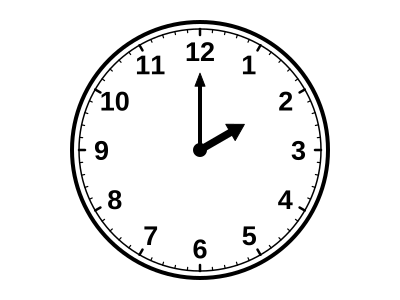
    1. 1.
      A clock with the short hand on 2 and the long hand on 12. Write the time.
    2. 2.
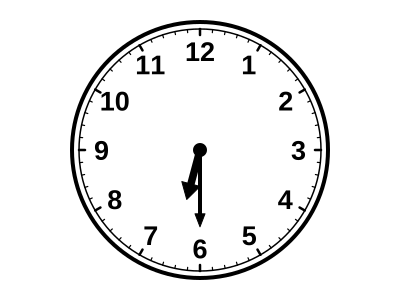
      A clock with the short hand halfway between 6 and 7 and the long hand on 6. Write the time.
    3. 3.
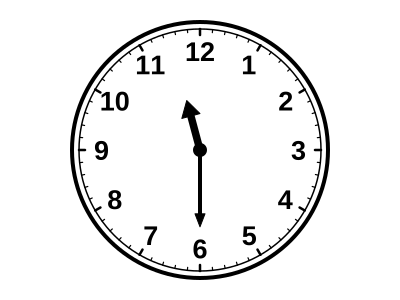
      A clock with the short hand halfway between 11 and 12 and the long hand on 6. Write the time.
    4. 4.
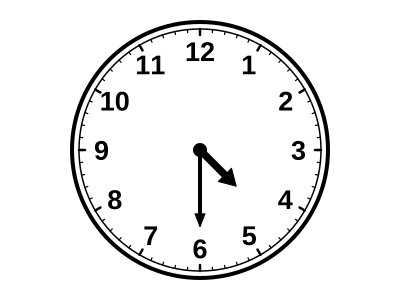
      A clock with the short hand halfway between 4 and 5 and the long hand on 6. Write the time.
    5. 5.
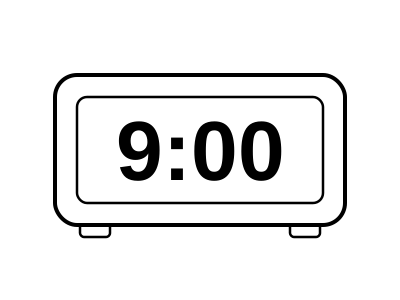
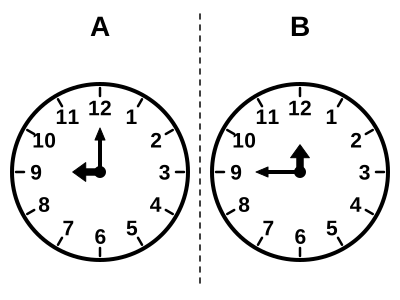
      A digital clock showing 9:00. Circle the clock with hands that shows this time. Picture A: short hand on 9, long hand on 12; picture B: short hand on 12, long hand on 9.
      • A
      • B
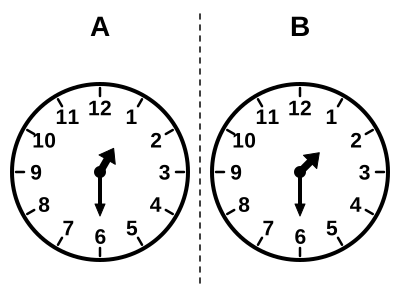
    6. 6.
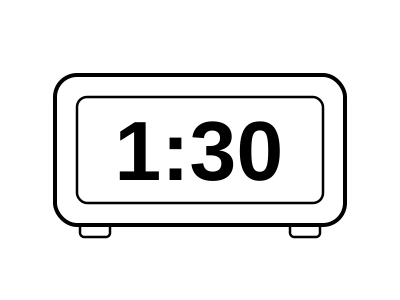
      A digital clock showing 1:30. Circle the clock with hands that shows this time. Picture A: short hand on 1, long hand on 6; picture B: short hand halfway between 1 and 2, long hand on 6.
      • A
      • B
    7. 7.
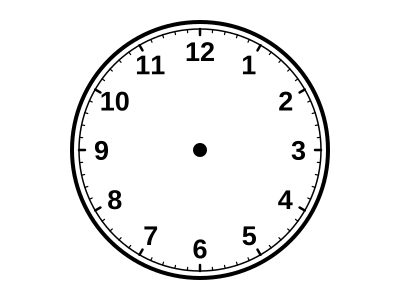
      A blank clock face with the numbers 1 to 12. Draw the hands for 5:30.
    8. 8.
      A blank clock face with the numbers 1 to 12. Draw the hands for 10:00.

    Reading & Writing · Week 28 check

    Weekly check

    How to give it: Give it in one sitting, untimed. Read each direction aloud and give no hints. For items 1-3, your child reads each word aloud and you tick the ones read right. For item 4, say: Write a line about two or more plants or animals. If your child is stuck, say: Think of two or more of something. What do they do? Then wait. For items 5-6, say: Circle the word that matches. For item 7, say: Write the root word. Your child reads The Bean Log before items 8-9. For item 10, say the word buses twice.

    Secure when: 8 of 10 words in items 1-2, 4 of 5 sight words, a sentence with a plural noun and a matching verb in item 4, and 4 of 6 on items 5-10.

    • I can read words with -s and -es and use them in sentences.
    • I can find the root word and compare two texts.
    • I can gather facts from a text and from what I see.

    The Bean Log

    Day 1: I see my bean in the cup. Day 3: The bean gets fat. Day 5: A white tip pokes out!

    1. 1.
      lamps rashes sniffs messes twigs
    2. 2.
      hisses kicks fizzes frogs dashes
    3. 3.
      too mean same tell boy
    4. 4.
      Two or more: ____
    5. 5.
      The cats ____ on the bed.
      • nap
      • naps
    6. 6.
      The fox ____ in the den.
      • rest
      • rests
    7. 7.
      classes ____
    8. 8.
      What pokes out on Day 5?
      • a white tip
      • a red bud
    9. 9.
      Is it a tale or a log of what a kid can see?
      • a tale
      • a log
    10. 10.
      Spell it: ____

    Social Studies · Week 28 check

    Weekly check

    How to give it: Read every question and choice aloud, and point to each picture as you name it. This week the check is a sorting task with ad statements. Your child answers by talking, pointing, circling, acting it out or drawing; write their words exactly on the line. It is not timed; stop and finish later if your child is tired. Do not show the page ahead of time. For items 5 to 8, your child also tells why: a fact can be checked; an opinion is what someone thinks. Make a check mark next to each part your child shows on their own.

    Secure when: 7 of 9 correct, with at least one right on each goal

    • I can find where things in my home were made.
    • I can tell why people in different countries trade with each other.
    • I can tell a fact from an opinion in an ad.
    1. 1.
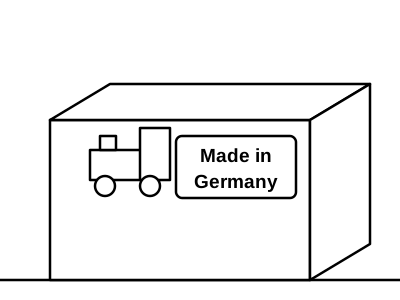
      A toy box label that says "Made in Germany". Where was this toy made? Is it an import or an export for us?
    2. 2.
      Wheat grown in Kansas is sold to a bakery in Egypt.
      • import
      • export
    3. 3.
      Why do we buy most of our bananas from warm countries?
    4. 4.
      Two friends swap a book for a puzzle. What is that called?
    5. 5.
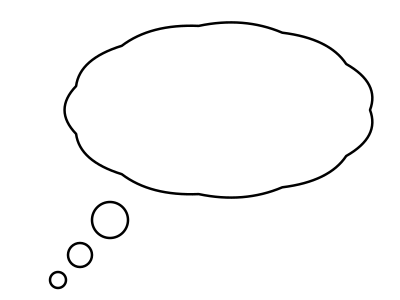
      "This cereal box has a picture of a tiger." Circle the magnifying glass for a fact or the thought bubble for an opinion.
      • A magnifying glass.
      • A thought bubble.
    6. 6.
      "This is the most fun cereal ever!"
      • A magnifying glass.
      • A thought bubble.
    7. 7.
      The box says it has 10 bowls of cereal inside.
      • A magnifying glass.
      • A thought bubble.
    8. 8.
      "Kids will love the toy inside."
      • A magnifying glass.
      • A thought bubble.
    9. 9.
      You pick the cereal with a toy inside instead of the one you usually eat. Name one benefit and one cost.